
A dynamic microphone picks up little surrounding sound and room echo. It suits streaming, cover songs and narration in a room that is not soundproofed. This page compares dynamic microphones using manufacturer-published specifications and gives each a rank.
The scores are four criteria: ease of getting enough gain (a guide to whether you need a preamp), high-frequency range, rejection of surrounding sound (pickup pattern) and features. Price is not part of the score.
This list compares 17 dynamic microphones on 4 criteria: ease of getting enough gain, high-frequency range, rejection of surrounding sound, features. Scores are decided by how well each product serves its purpose, using the conditions for each criterion, and the basis is official manufacturer information. Price is not part of the score.
Disclosure: This page contains affiliate links. If you buy through them, SoundBounty may earn a commission at no extra cost to you. Prices are as of the date checked and can change.
Picks by purpose
For each criterion, we list the models with the highest score in this comparison (up to three, in order of overall score when several tie).
- For people who want to record without gain trouble, even with an entry-level audio interface: Q9U (rank S), PodMic USB (rank S), AT2040USB (rank S). Top score (5 points) for “ease of getting enough gain”.
- For people who want to record the high end of the voice solidly: Q9U (rank S), PodMic USB (rank S), SM7dB (rank S). Top score (5 points) for “high-frequency range”.
- For people who want to pick up less everyday noise and room echo: AT2040USB (rank S), BETA 58A (rank A), e 945 (rank A). Top score (5 points) for “rejection of surrounding sound”.
- For people who want to use features of the body such as the connection options, switches and headphone jack: Q9U (rank S), MV7+ (rank A). Top score (5 points) for “features”.
Tier list by rank
Ranks are based on the manufacturer's official features and specifications, not on sound quality. Within a row, products are ordered by score. The basis is explained in How we rate specifications.
Tier table by criterion
Products with the same overall rank can have different strengths. Click a column heading to sort by the rank on that criterion, and use it when you choose by the feature you want.
| Product | Overall | Ease of getting enough gainSensitivity at the XLR output (USB models have a built-in preamp and get full marks) | High-frequency rangeUpper limit of the frequency response | Rejection of surrounding soundPickup pattern | FeaturesUSB, XLR, low-cut, presence, headphone jack |
|---|---|---|---|---|---|
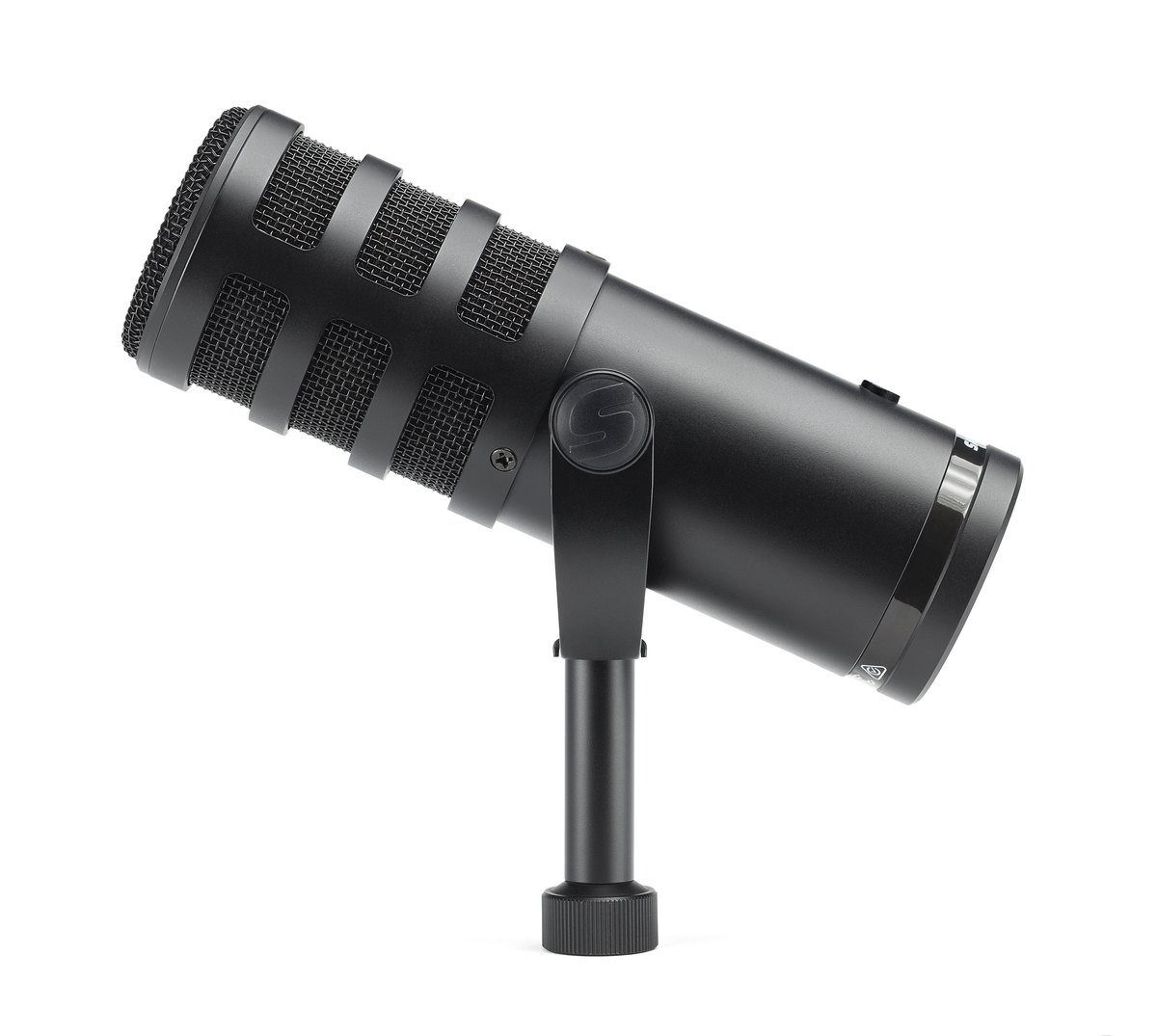 SamsonQ9U | S4.5 | SUSB (built-in preamp) | S20,000 Hz | BCardioid | S5 |
| RØDEPodMic USB | S4.3 | SUSB (built-in preamp) | S20,000 Hz | BCardioid | A3 |
| Audio-TechnicaAT2040USB | S4.3 | SUSB (built-in preamp) | B16,000 Hz | SHypercardioid | A3 |
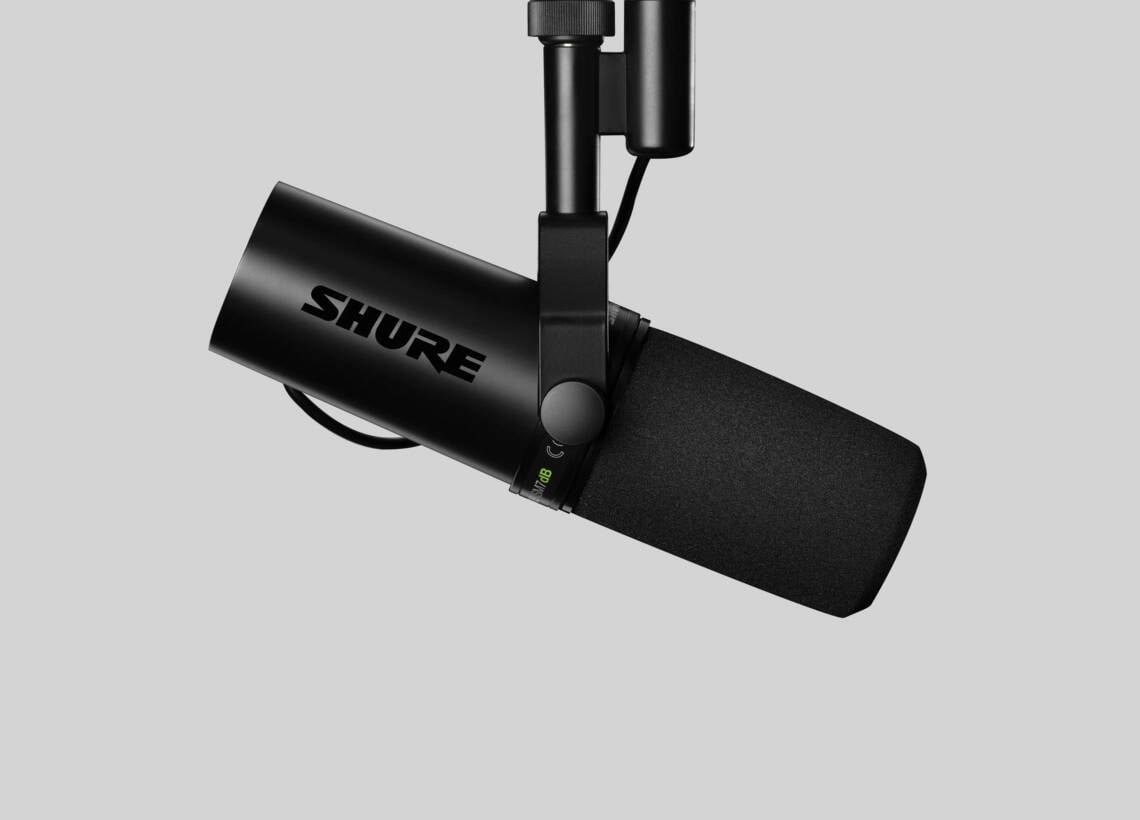 ShureSM7dB | S4.3 | S28.2 mV/Pa | S20,000 Hz | BCardioid | A3 |
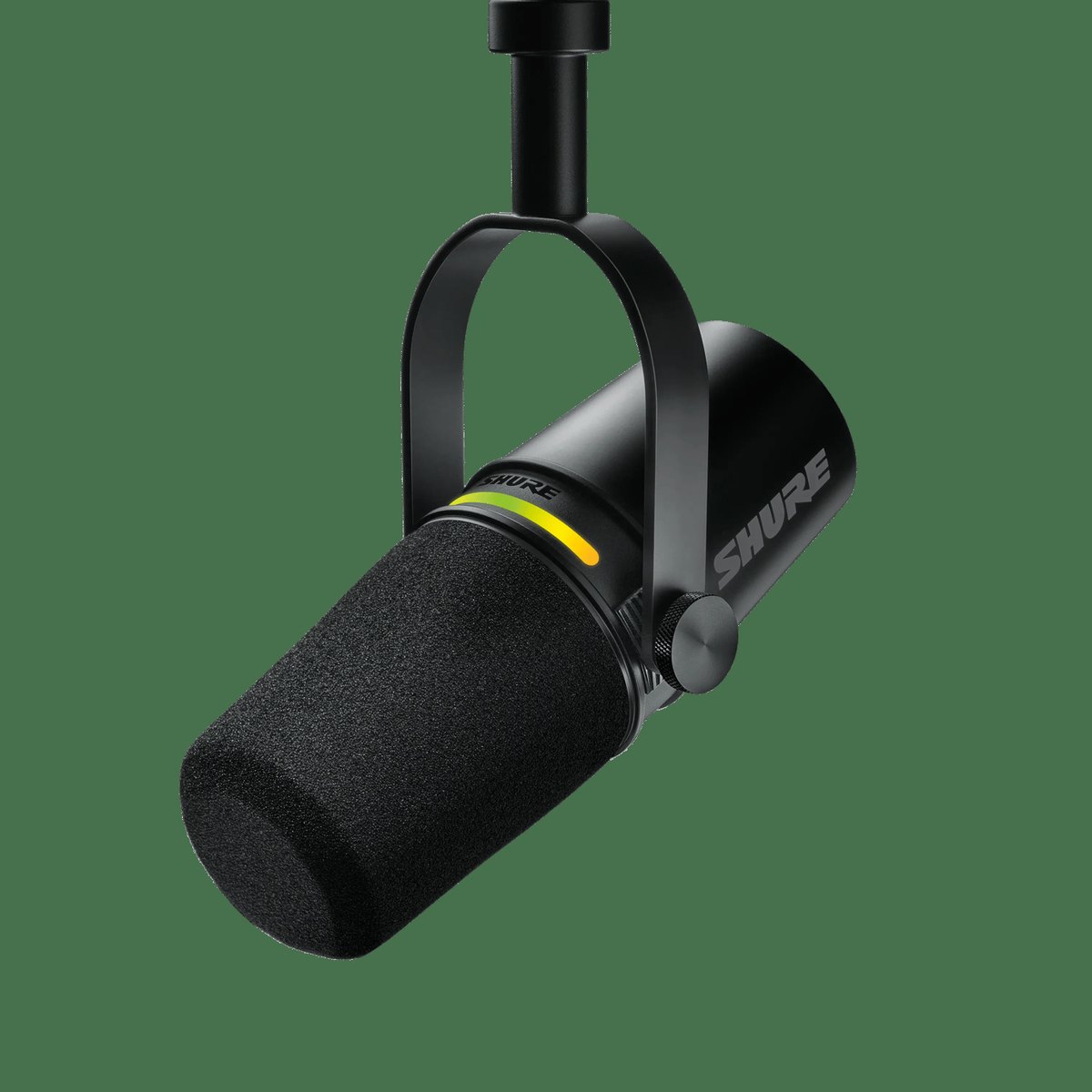 ShureMV7+ | A4.0 | SUSB (built-in preamp) | B16,000 Hz | BCardioid | S4 |
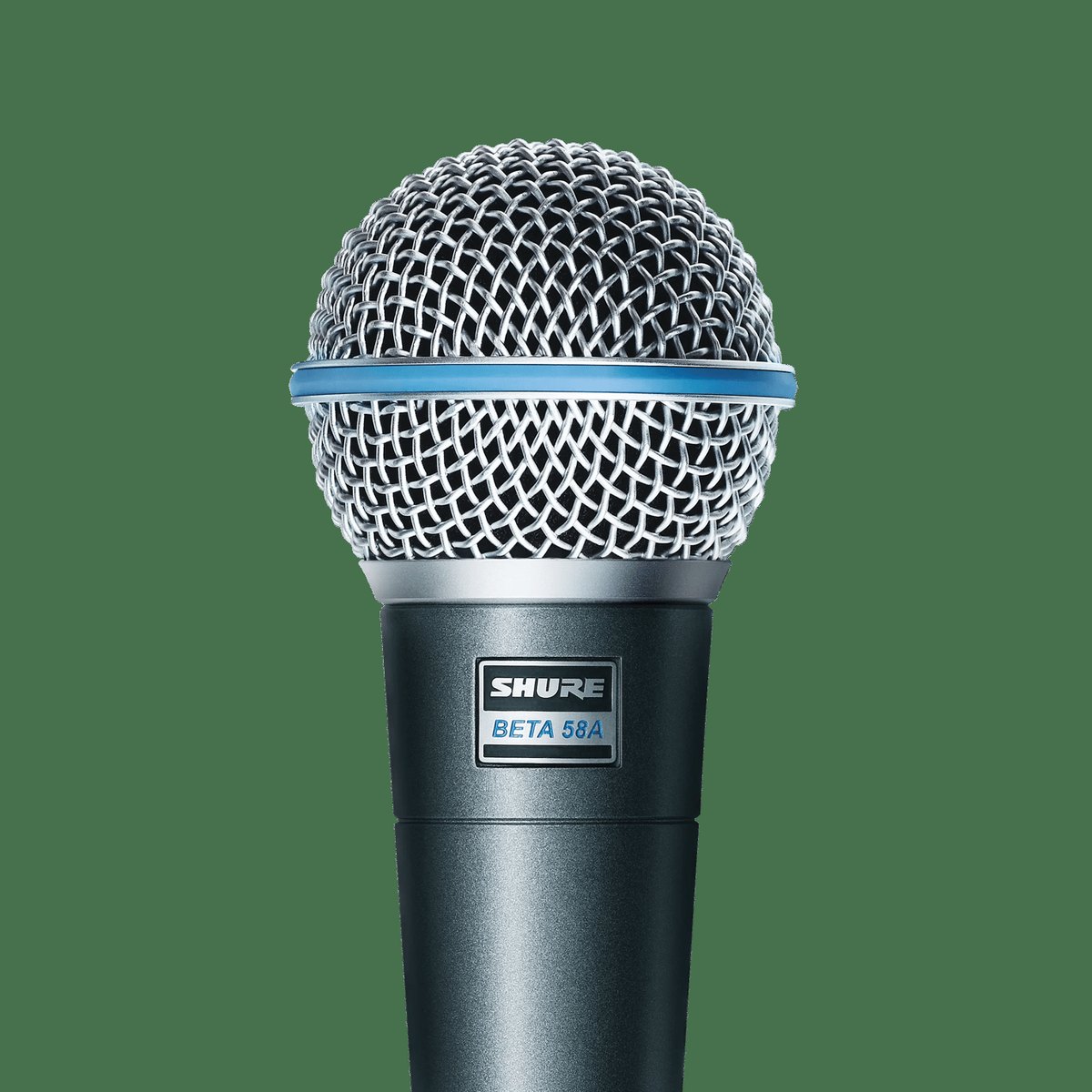 ShureBETA 58A | A3.8 | S2.6 mV/Pa | B16,000 Hz | SSupercardioid | C1 |
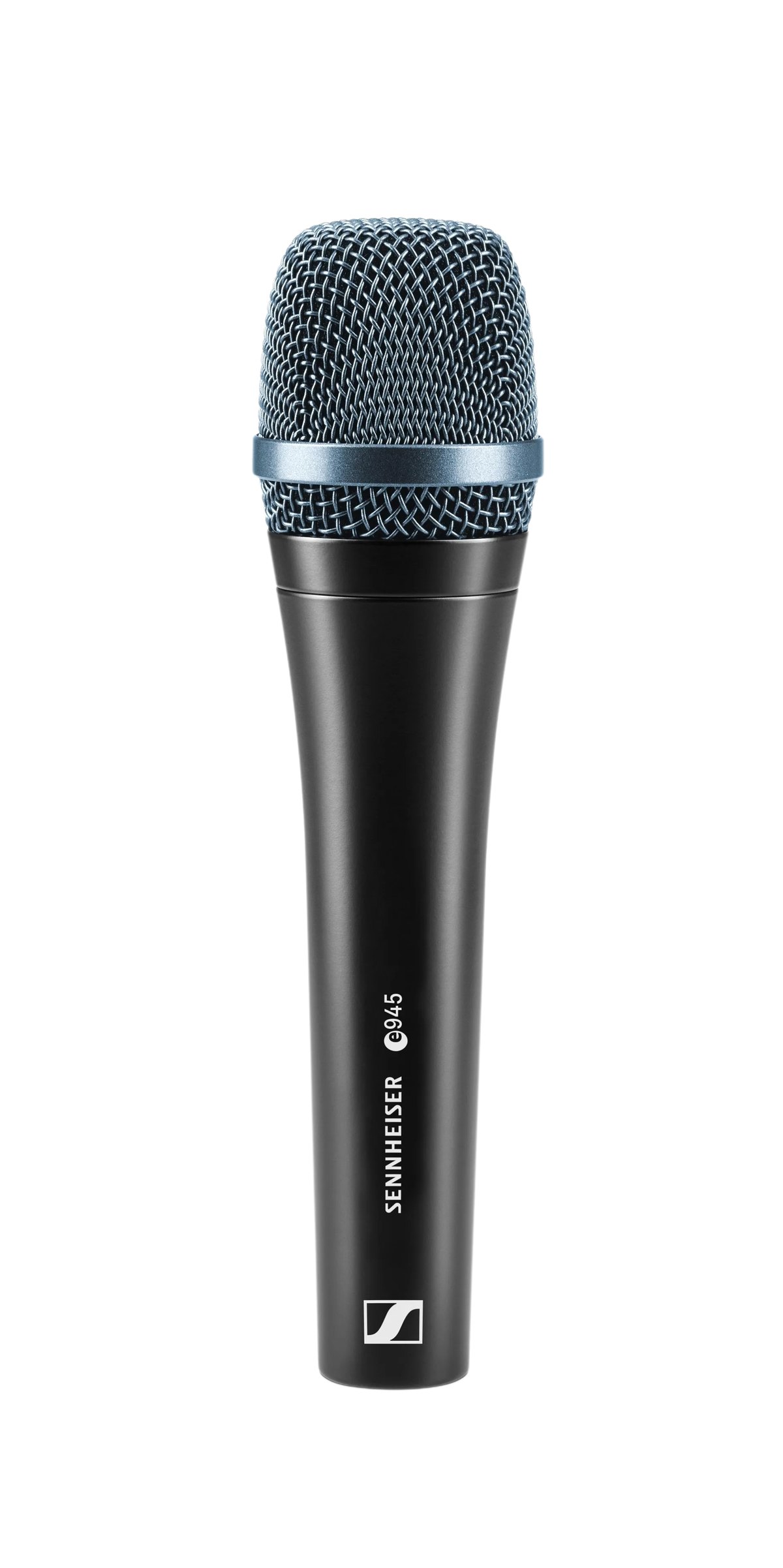 Sennheisere 945 | A3.8 | A2 mV/Pa | A18,000 Hz | SSupercardioid | C1 |
| Audio-TechnicaAT2040 | A3.5 | A2.2 mV/Pa | B16,000 Hz | SHypercardioid | C1 |
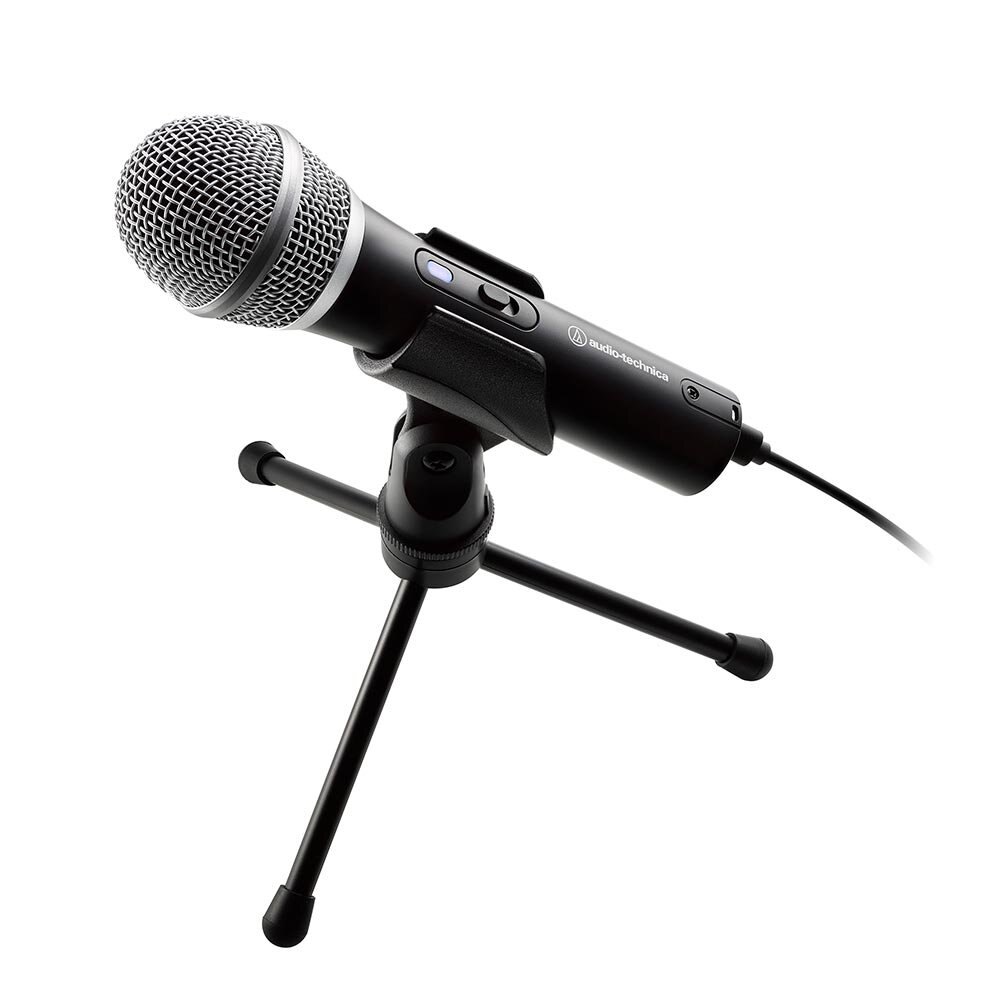 Audio-TechnicaATR2100x-USB | A3.5 | SUSB (built-in preamp) | C15,000 Hz | BCardioid | A3 |
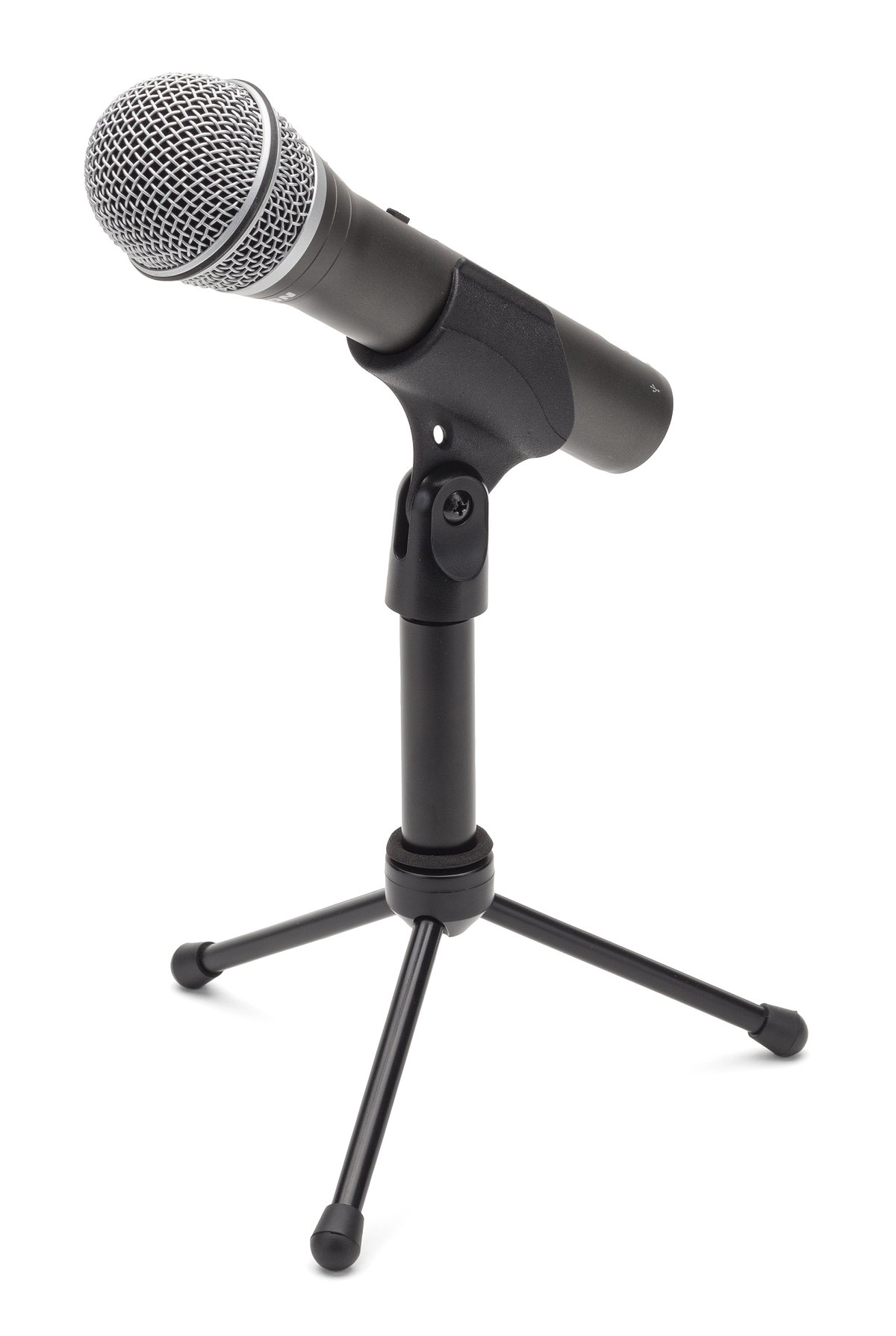 SamsonQ2U | A3.5 | SUSB (built-in preamp) | C15,000 Hz | BCardioid | A3 |
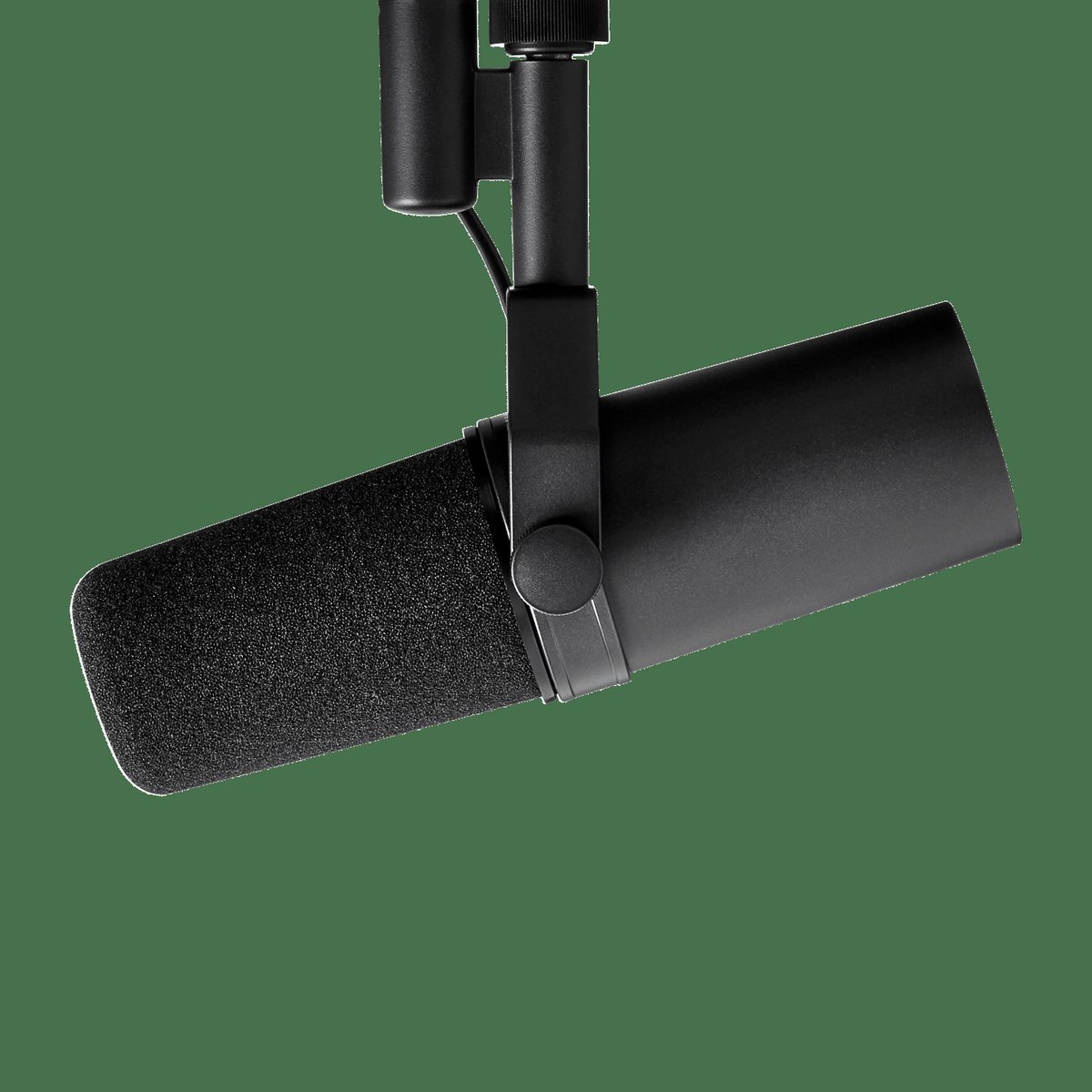 ShureSM7B | B3.3 | C1.12 mV/Pa | S20,000 Hz | BCardioid | A3 |
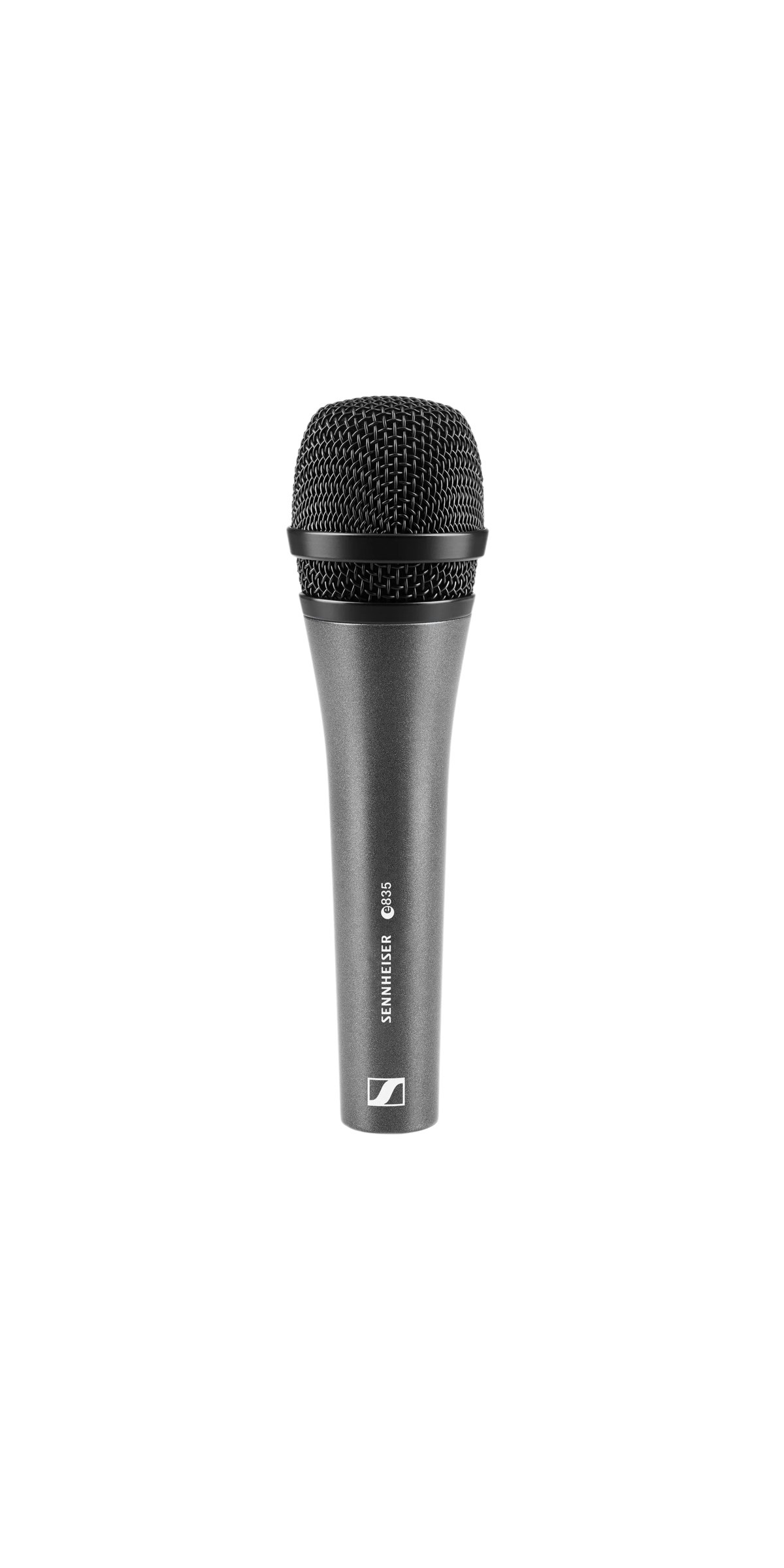 Sennheisere 835 | B3.3 | S2.7 mV/Pa | B16,000 Hz | BCardioid | C1 |
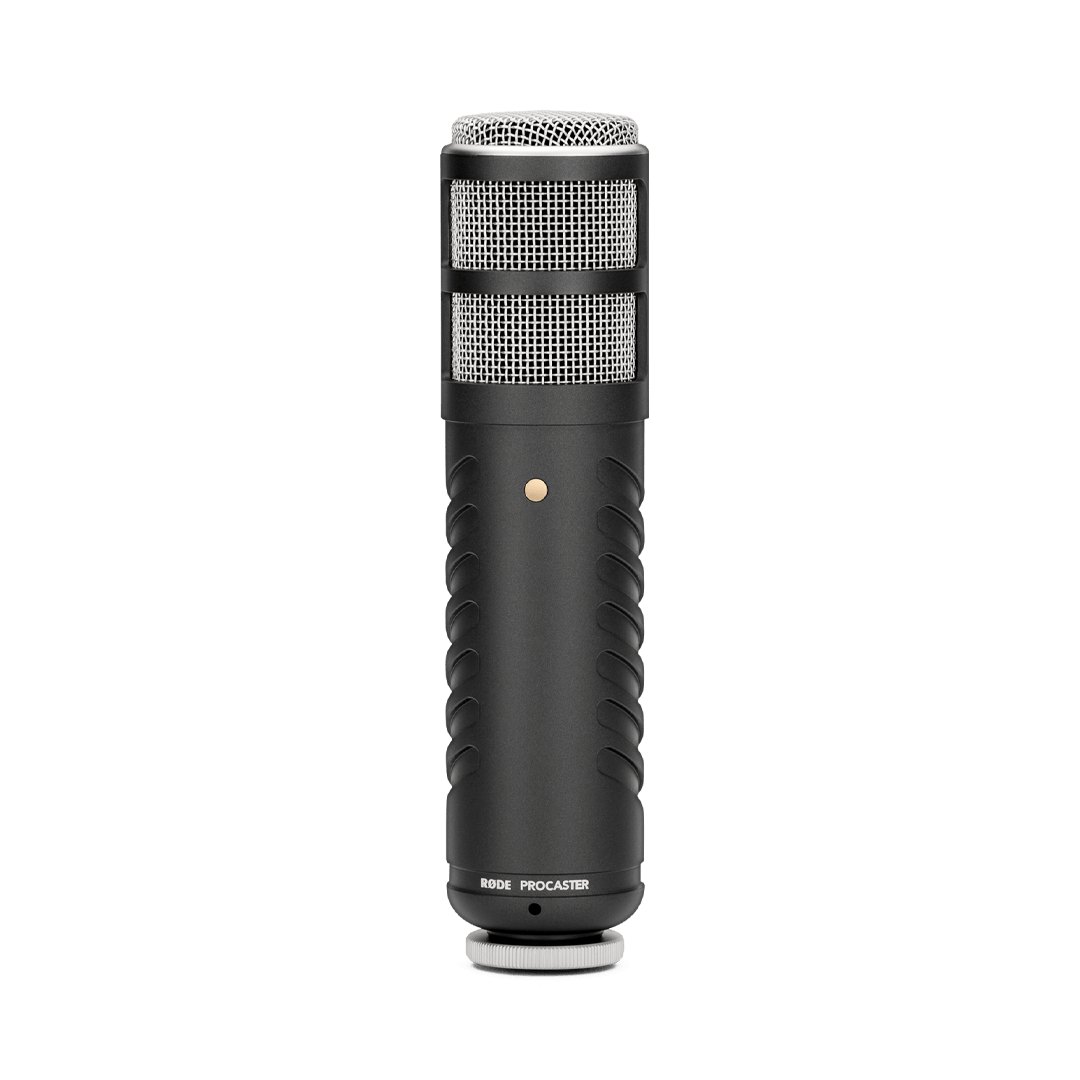 RØDEProcaster | B3.0 | B1.6 mV/Pa | A18,000 Hz | BCardioid | C1 |
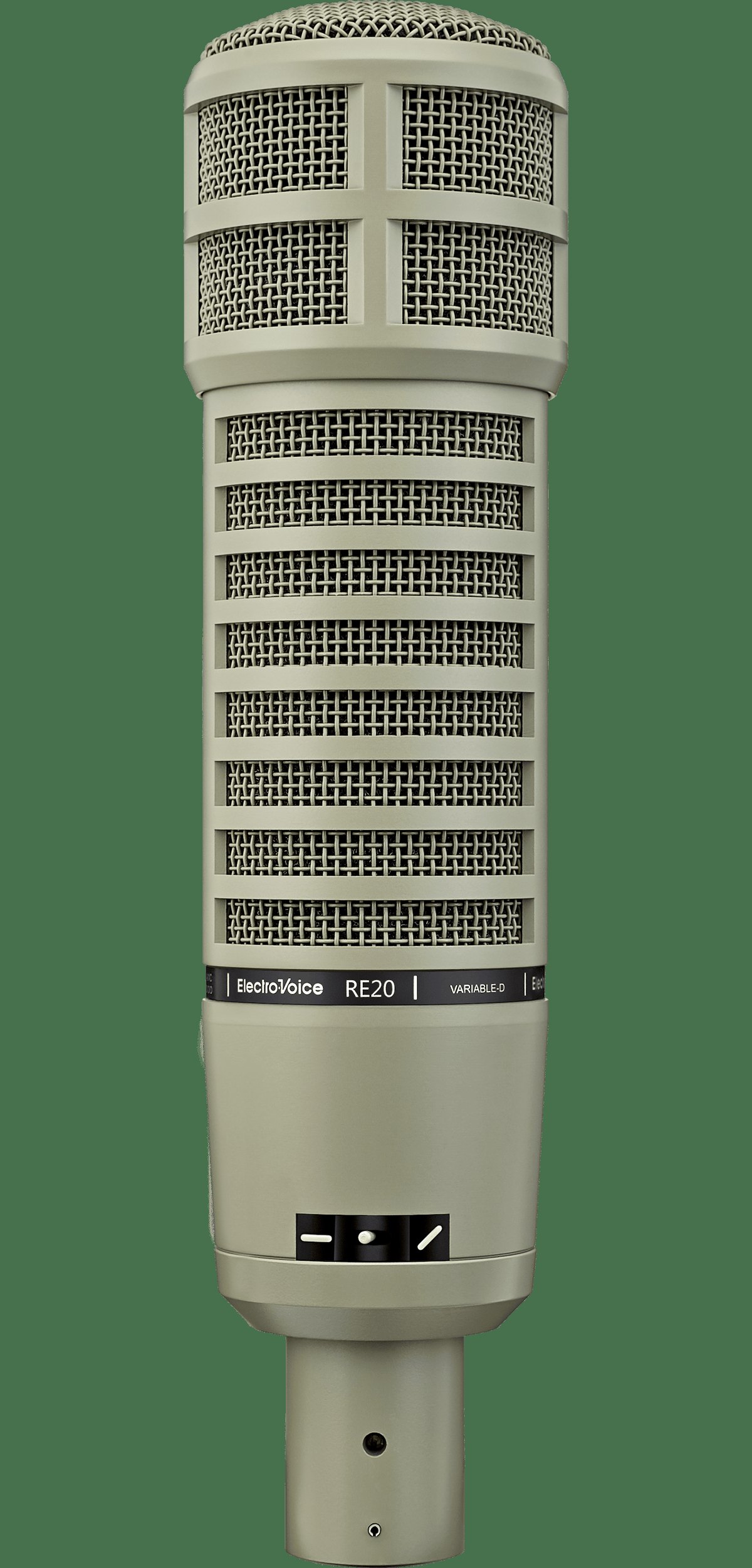 Electro-VoiceRE20 | B2.8 | C1.5 mV/Pa | A18,000 Hz | BCardioid | C1 |
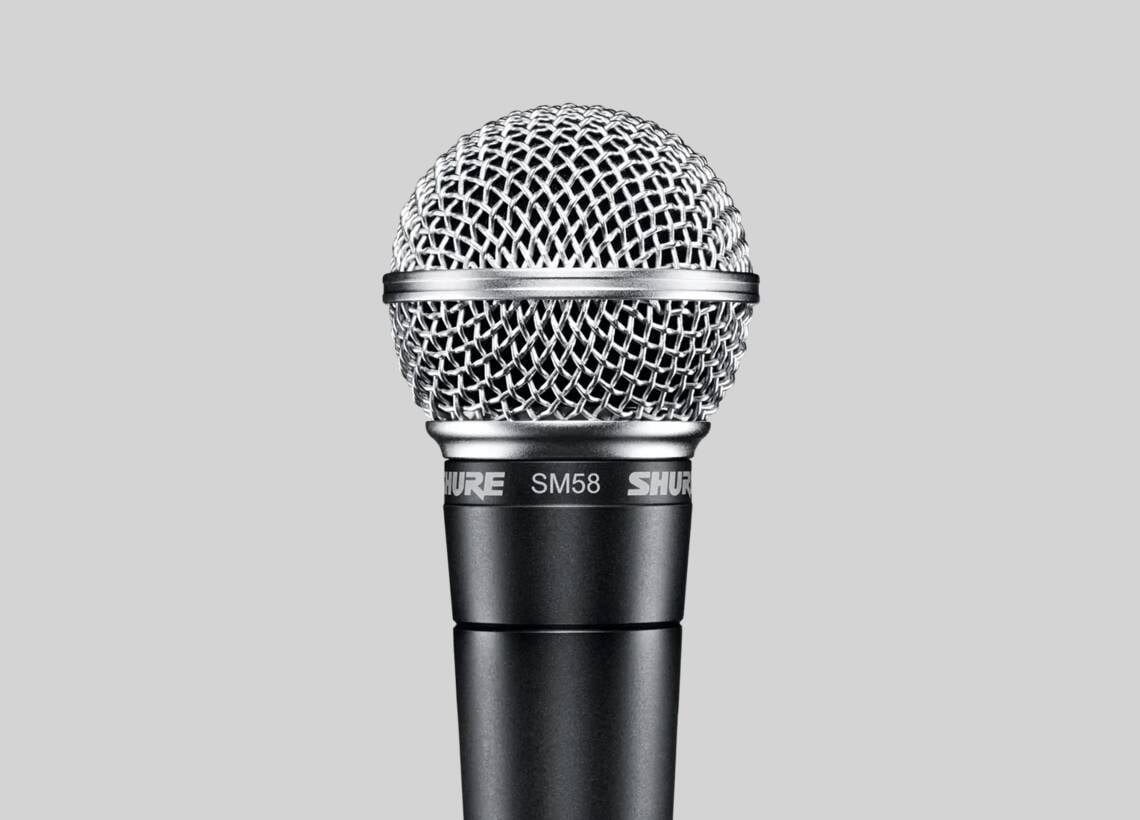 ShureSM58 | C2.5 | B1.6 mV/Pa | C15,000 Hz | BCardioid | C1 |
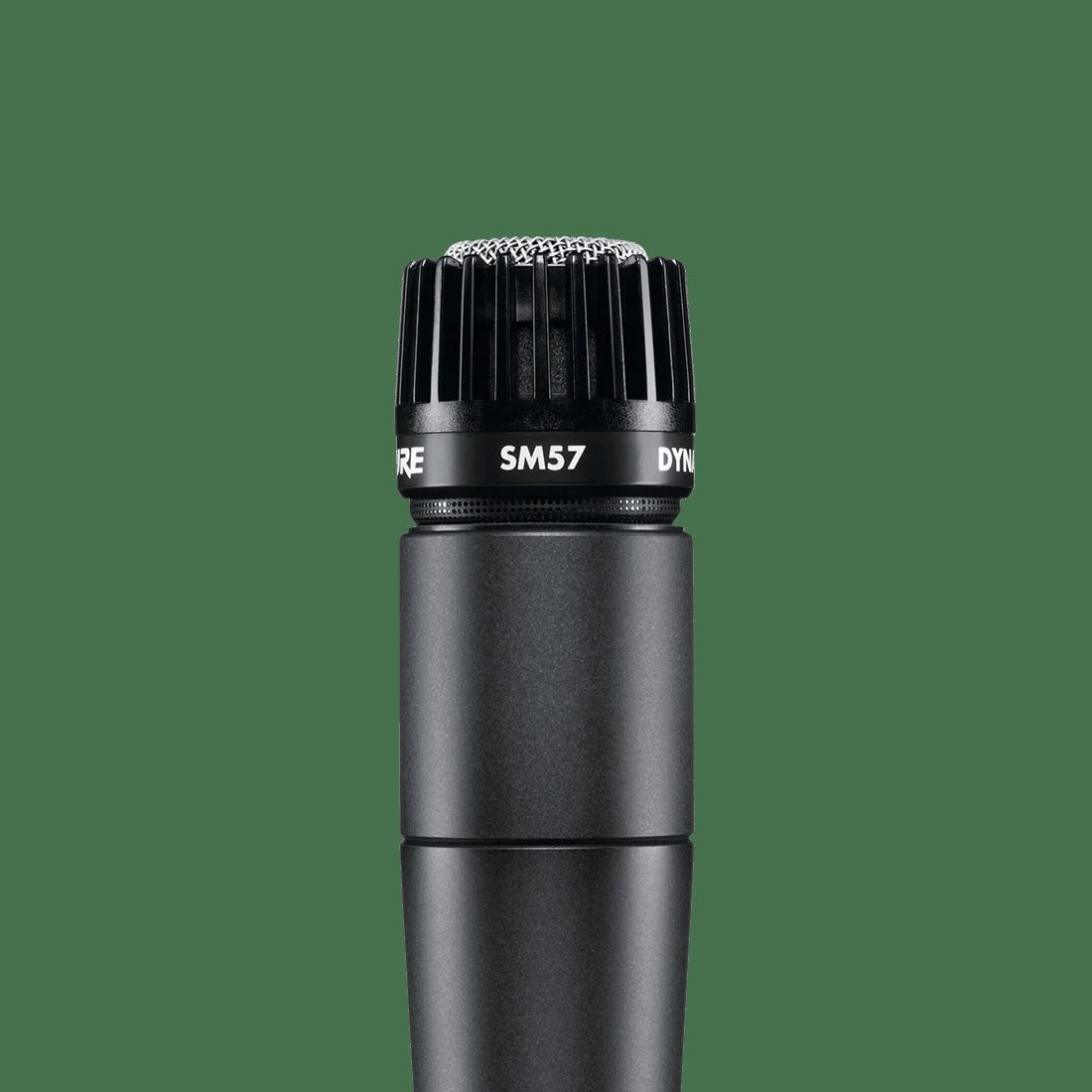 ShureSM57 | C2.5 | B1.6 mV/Pa | C15,000 Hz | BCardioid | C1 |
| RØDEPodMic | C2.3 | C1.4 mV/Pa | C15,000 Hz | BCardioid | C1 |
Click a column heading to sort by that criterion (click again to reverse). Each cell shows the score (1 to 5) on that criterion as 5 = S, 4 = A, 3 = B, 2 or lower = C. A dash means the criterion is not scored. This is a rating of the manufacturer's official features and specifications, not of sound quality. See How we rate specifications.
How to choose a dynamic microphone
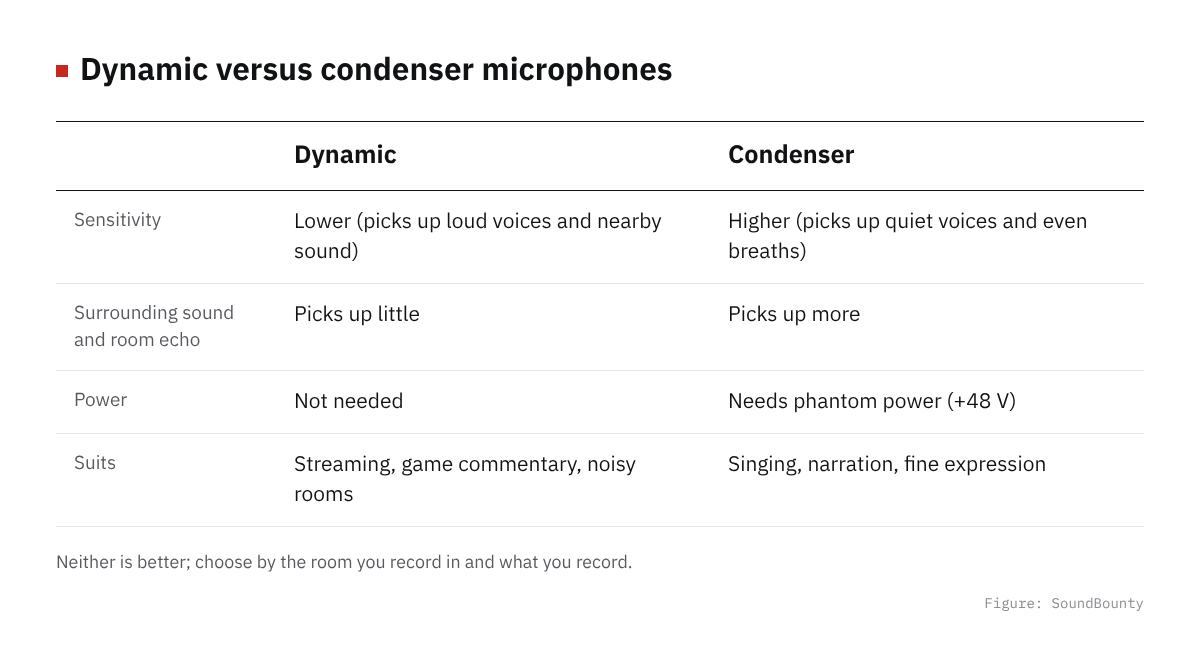
Figure: SoundBounty
USB or XLR?
A USB model connects straight to a computer and is ready to use. An XLR model needs an audio interface, but you can change gear more easily later. A model that supports both can be used by USB at first and by XLR later.
Sensitivity and gain
A dynamic microphone produces a smaller signal than a condenser, so you need to turn the gain of the audio interface up a lot. If you use a low-sensitivity model (around 1.5 mV/Pa), choose an interface with plenty of gain.
Pickup pattern
The narrower the range in which it picks up only sound from the front, the less everyday noise and room echo get in. Supercardioid and hypercardioid pick up less surrounding sound than cardioid. In exchange, the voice gets quieter when you move off the front of the microphone, so it is important to keep your mouth in a constant position.
Placement
For streaming, a form that mounts on a microphone arm is common; for singing, handheld or on a stand. For a heavy microphone, check the weight the arm can hold.
A word on each product
Q9U (rank S)
Samson’s Q9U is a cardioid dynamic USB microphone that also has an XLR output.
SM7dB (rank S)
Shure’s SM7dB is a cardioid dynamic microphone with XLR connection.
MV7+ (rank A)
Shure’s MV7+ is a cardioid dynamic USB microphone that also has an XLR output.
BETA 58A (rank A)
Shure’s BETA 58A is a supercardioid dynamic microphone with XLR connection.
e 945 (rank A)
Sennheiser’s e 945 is a supercardioid dynamic microphone with XLR connection.
ATR2100x-USB (rank A)
Audio-Technica’s ATR2100x-USB is a cardioid dynamic USB microphone that also has an XLR output.
Q2U (rank A)
Samson’s Q2U is a cardioid dynamic USB microphone that also has an XLR output.
SM7B (rank B)
Shure’s SM7B is a cardioid dynamic microphone with XLR connection.
e 835 (rank B)
Sennheiser’s e 835 is a cardioid dynamic microphone with XLR connection.
Procaster (rank B)
RØDE’s Procaster is a cardioid dynamic microphone with XLR connection.
RE20 (rank B)
Electro-Voice’s RE20 is a cardioid dynamic microphone with XLR connection.
SM58 (rank C)
Shure’s SM58 is a cardioid dynamic microphone with XLR connection.
SM57 (rank C)
Shure’s SM57 is a cardioid dynamic microphone with XLR connection.
Frequently asked questions
Q. Can I use a dynamic microphone for cover songs?
Yes. A condenser microphone records fine breaths more easily, but in a room that is not soundproofed, a dynamic microphone, which picks up little surrounding sound, can record more cleanly.
Q. Do I need phantom power?
A dynamic microphone does not need phantom power (+48 V). An XLR model works just by connecting to the microphone input of an audio interface.
Q. Can I use an SM7B with an entry-level interface?
The SM7B has a low sensitivity of 1.12 mV/Pa and needs a lot of gain. An entry-level interface may not give enough volume, so it is safer to use one with plenty of gain, or to combine it with a microphone booster.
How we score
How we score (Dynamic microphones)
| Criterion | Basis | 5 pt | 4 pt | 3 pt | 2 pt | 1 pt |
|---|---|---|---|---|---|---|
| Ease of getting enough gain | Sensitivity at the XLR output (USB models have a built-in preamp and get full marks) | ≥2.5 | ≥2 | ≥1.6 | ≥1.3 | <1.3 |
| High-frequency range | Upper limit of the frequency response | ≥20000 | ≥18000 | ≥16000 | ≥15000 | <15000 |
| Rejection of surrounding sound | Pickup pattern | Supercardioid / hypercardioid | — | Cardioid (unidirectional) | — | — |
| Features | USB, XLR, low-cut, presence, headphone jack | 4 to 5 | 3 | 2 | 1 | None |
Scored only on the body specifications published by the manufacturer. Price and accessories are not part of the score. "Ease of getting enough gain" answers the common question "do I need a preamp (booster)?". Over XLR, the higher the sensitivity (mV/Pa), the less you need to turn up the gain on the audio interface. Models that can also connect by USB have a preamp inside the microphone, so there is no worry about running short of gain and they get 5 points. Rejection of surrounding sound is decided by the pickup pattern: supercardioid and hypercardioid, which pick up little from outside the front, score highest. Weight is shown in the table for reference.
The thinking behind scores and ranks is summarized in How we rate specifications. We add products in order.