
An EQ (equalizer) is a plug-in that balances the low and high parts of a sound. In a cover-song mix you always use one to remove muddiness, tame harsh bands and reduce clashes between the voice and the backing track.
Recent EQs increasingly include a “dynamic EQ”, which changes how it acts with the volume, and functions that analyze the sound and set themselves automatically. Here we compare whether each product has such functions, using official information.
This list compares 15 EQ plug-ins on 3 criteria: handling problem bands, speed, stereo processing. Scores are decided by how well each product serves its purpose, using the conditions for each criterion, and the basis is official manufacturer information. Price is not part of the score.
Disclosure: This page contains affiliate links. If you buy through them, SoundBounty may earn a commission at no extra cost to you. Prices are as of the date checked and can change.
Picks by purpose
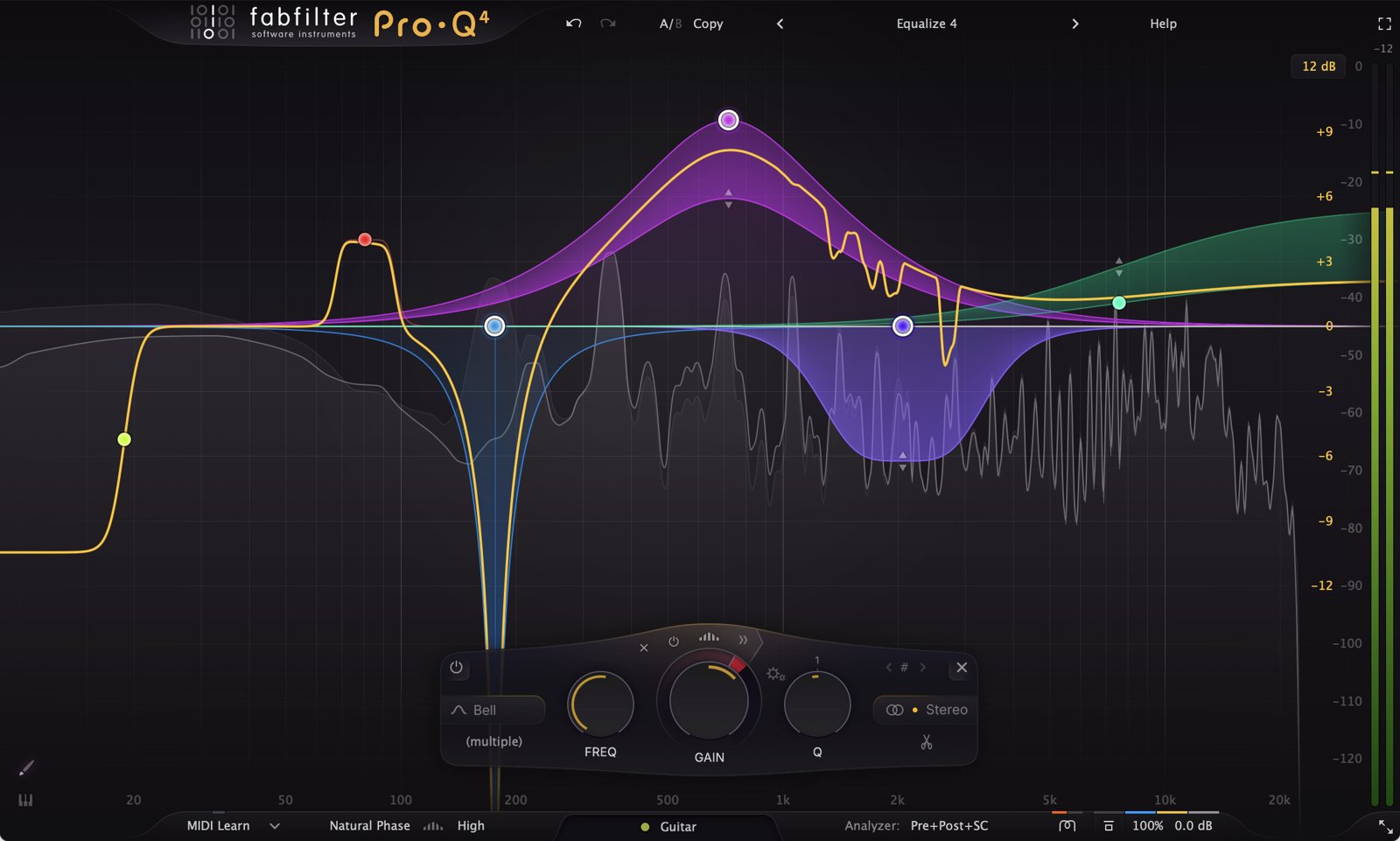
- If you want one EQ that does everything: Pro-Q 4 (rank S). It includes dynamic EQ, spectral processing, EQ match and even surround.
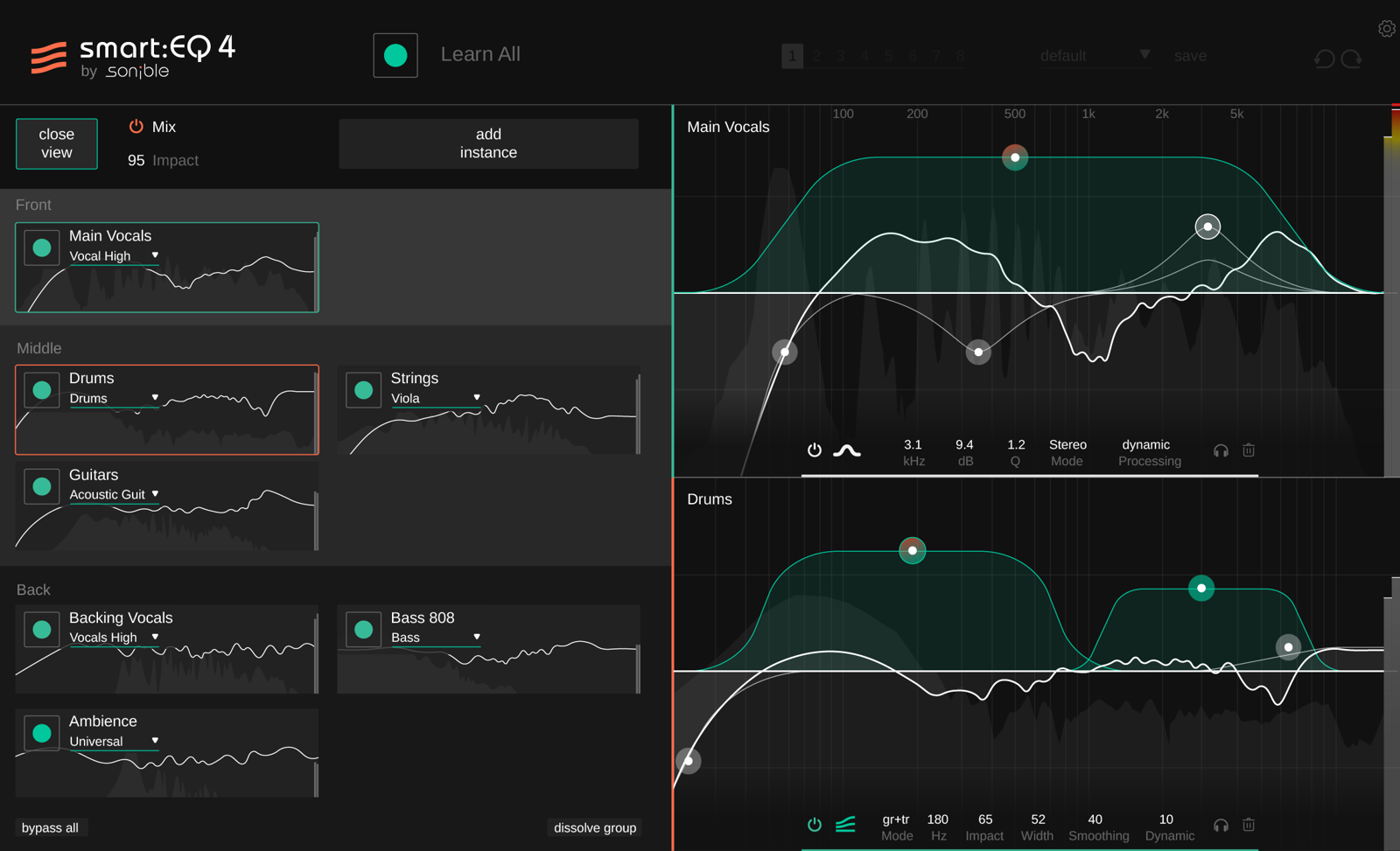
- If you are not used to EQ: smart:EQ 4 (rank A). AI balances the sound automatically, and you fine-tune from there.
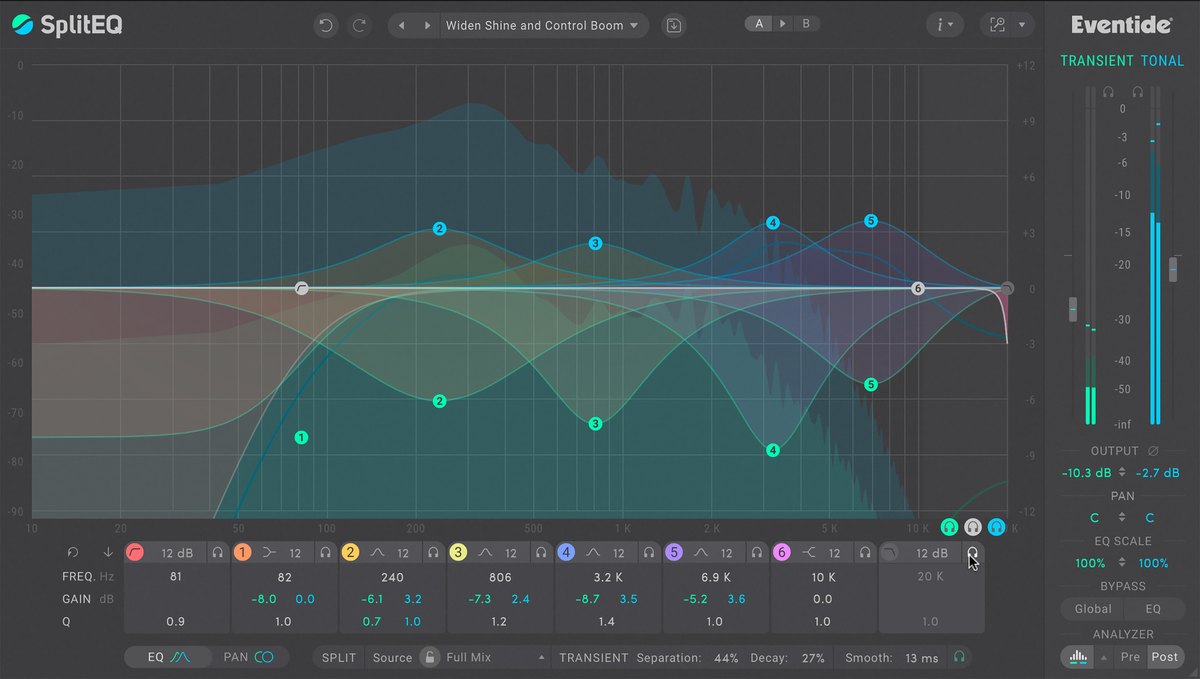
- If you only want to tame sibilance or attacks: SplitEQ (rank A). It lets you EQ the attack and the sustained sound separately.
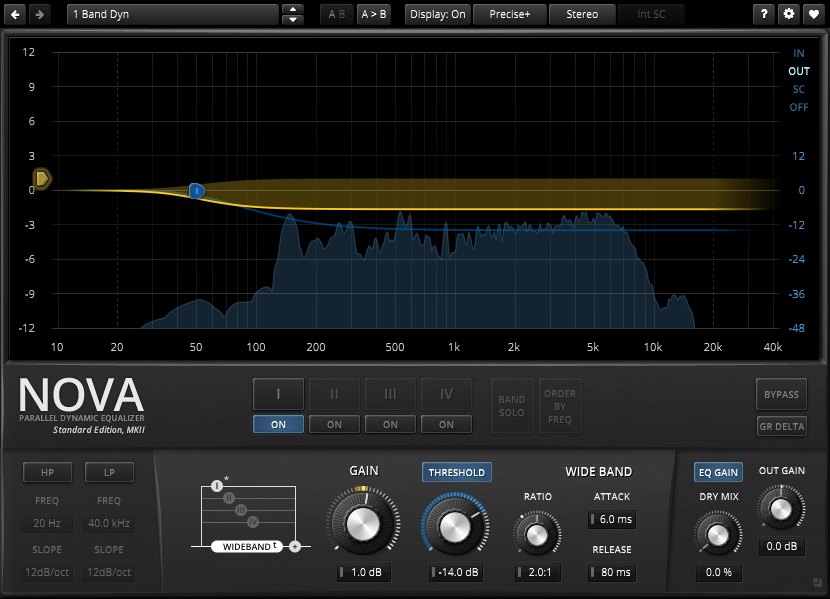
- To try dynamic EQ for free: TDR Nova (rank A). A dynamic EQ you can use for free.
Picks by budget
The highest-scoring product in each price range. Prices are the regular prices in US dollars shown on Plugin Boutique on October 10, 2026; sale prices change often, so check the store page. Price is not part of the score.
- Free: TDR Nova, MEqualizer, SlickEQ.
- $50 to $149: smart:EQ 4 (rank A, $129). The highest-scoring product in this price range.
- $150 and over: Pro-Q 4 (rank S, $199). The highest-scoring product in this price range.
Tier list by rank
Ranks are based on the manufacturer's official features and specifications, not on sound quality. Within a row, products are ordered by score. The basis is explained in How we rate specifications.
Tier table by criterion
Products with the same overall rank can have different strengths. Click a column heading to sort by the rank on that criterion, and use it when you choose by the feature you want.
| Product | Overall | Handling problem bandsThe power to target and reduce boomy or harsh sounds | SpeedFeatures that help you decide settings quickly | Stereo processingWhether the center and the sides can be processed separately |
|---|---|---|---|---|
 FabFilterPro-Q 4 | S4.5 | SDynamic + spectral | AEQ match + aids | AM/S + surround |
 soniblesmart:EQ 4 | A4.0 | ADynamic | SAI auto-correction | BM/S |
 MeldaProductionMAutoEqualizer | A3.8 | BLinear phase | AAuto EQ + match | SM/S, L/R, surround |
 Plugin Alliancebx_digital V3 | A3.8 | ADynamic | BAuto-Solo | AM/S + L/R |
 EventideSplitEQ | A3.5 | AAttack/sustain split | CAnalyzer | AL/R + M/S |
 Slate DigitalInfinity EQ 2 | A3.5 | ADynamic | CAnalyzer | AM/S + L/R |
 Tokyo Dawn RecordsTDR Nova | A3.5 | ADynamic | CAnalyzer | AM/S + L/R |
 DMG AudioEQuilibrium | A3.5 | B32 bands + linear phase | BAnalyzer + Autolisten | SM/S, L/R, surround |
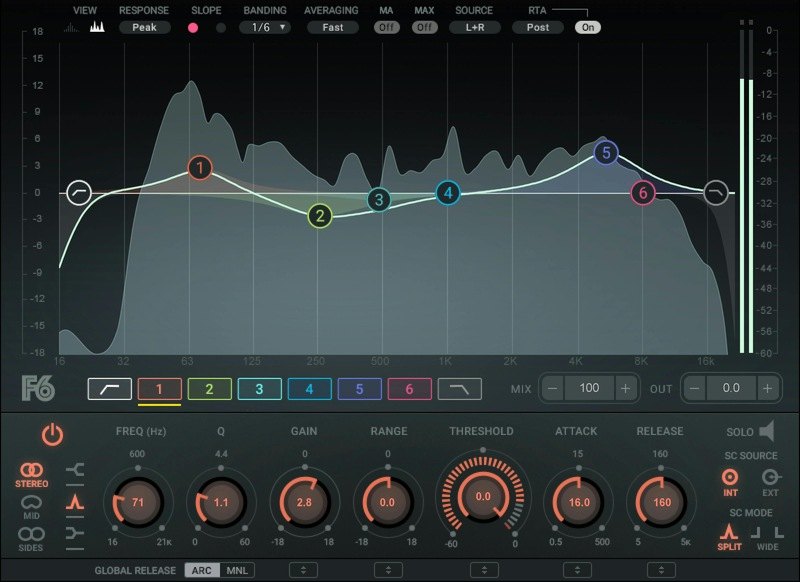 WavesF6 | B3.0 | ADynamic | CNot listed | BM/S |
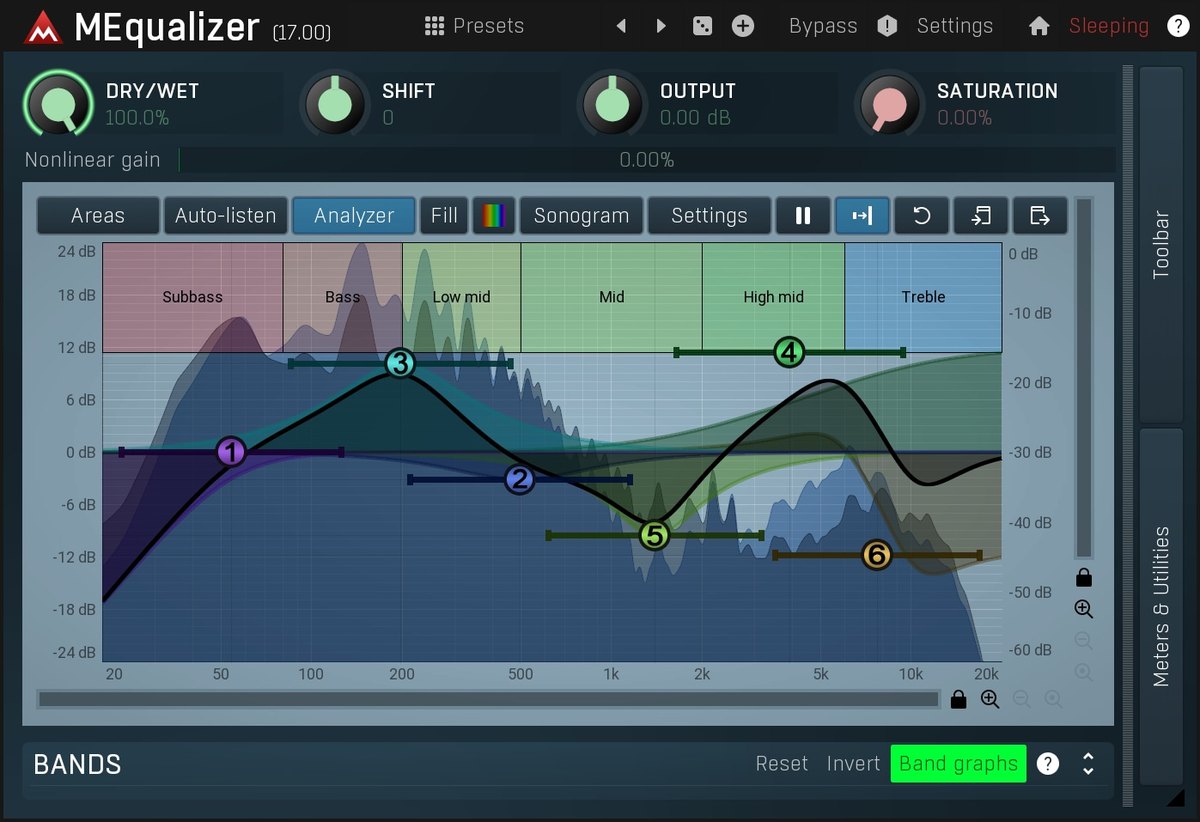 MeldaProductionMEqualizer | B2.8 | C6 bands | CAnalyzer | SM/S, L/R, surround |
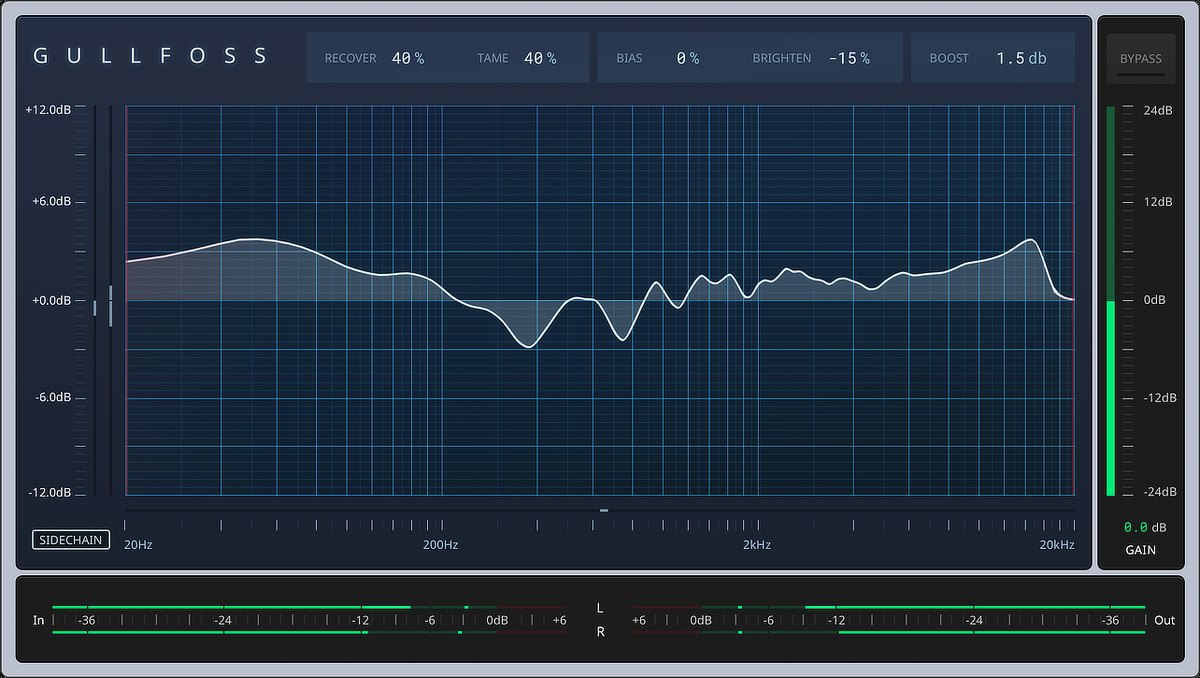 SoundtheoryGullfoss | B2.8 | BAuto peak/valley balancing | AAuto EQ + sidechain | CNot listed |
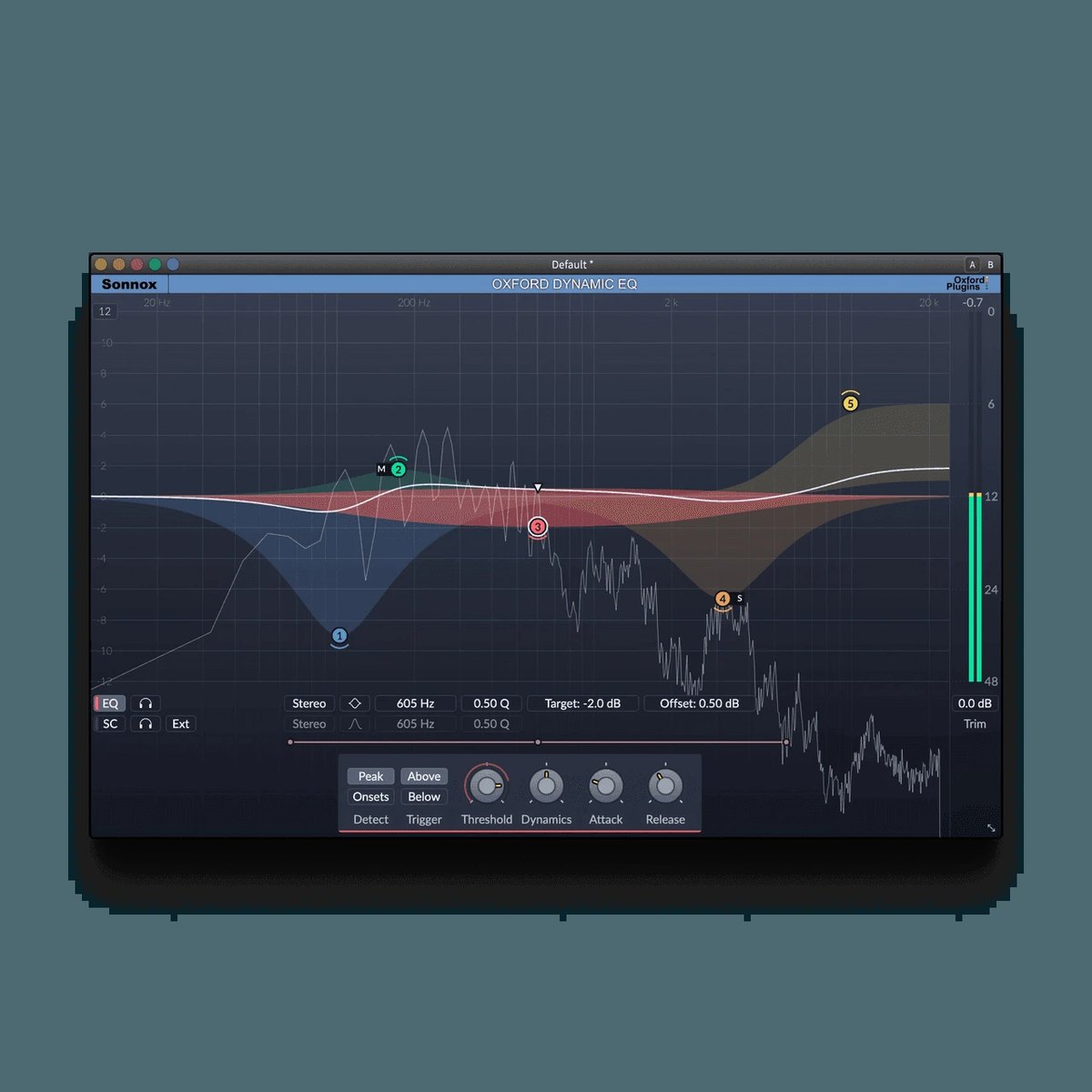 SonnoxOxford Dynamic EQ | C2.5 | ADynamic | CNot listed | CNot listed |
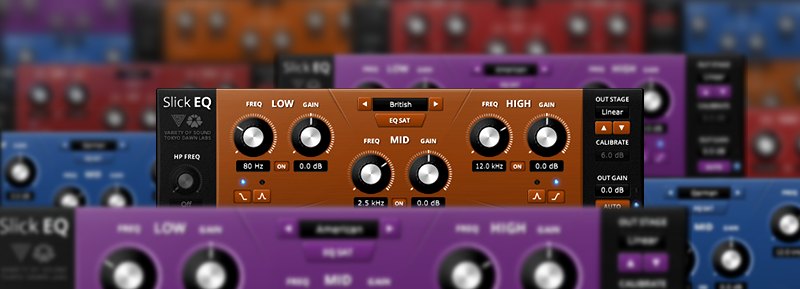 Tokyo Dawn RecordsSlickEQ | C2.3 | C3 bands | CAuto gain | BM/S |
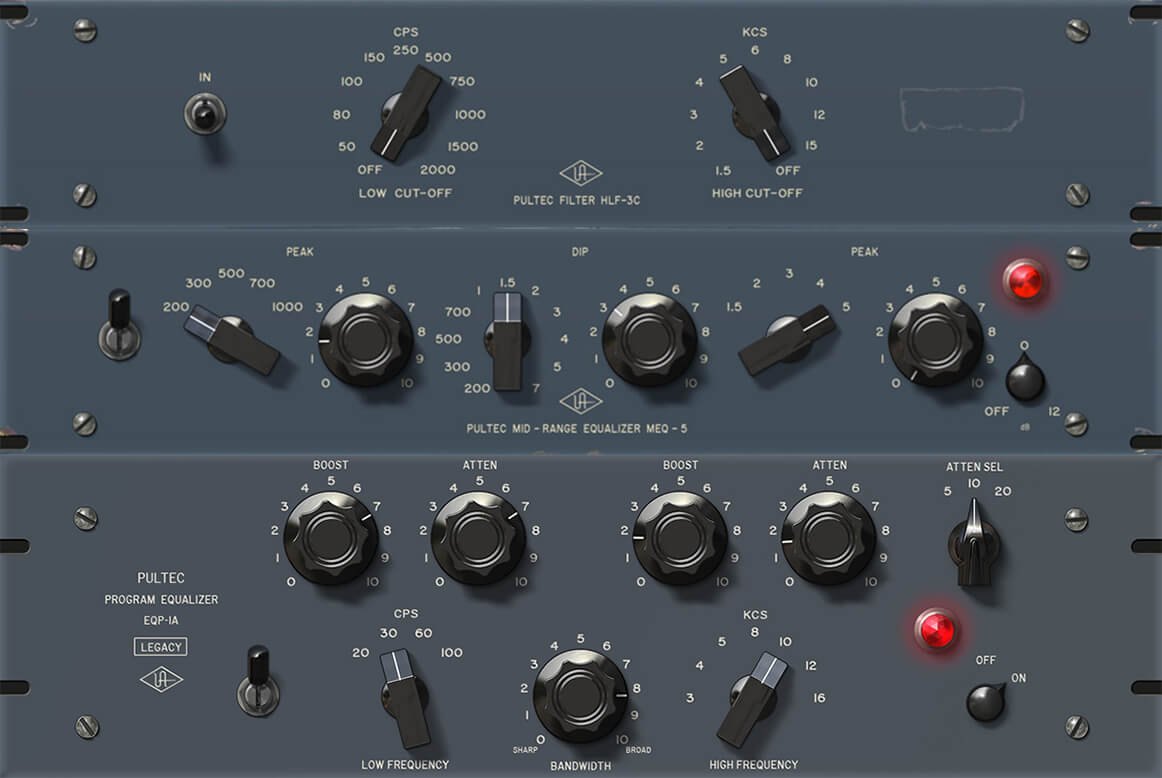 Universal AudioPultec Passive EQ Collection | C1.5 | CFew bands | CNot listed | CNot listed |
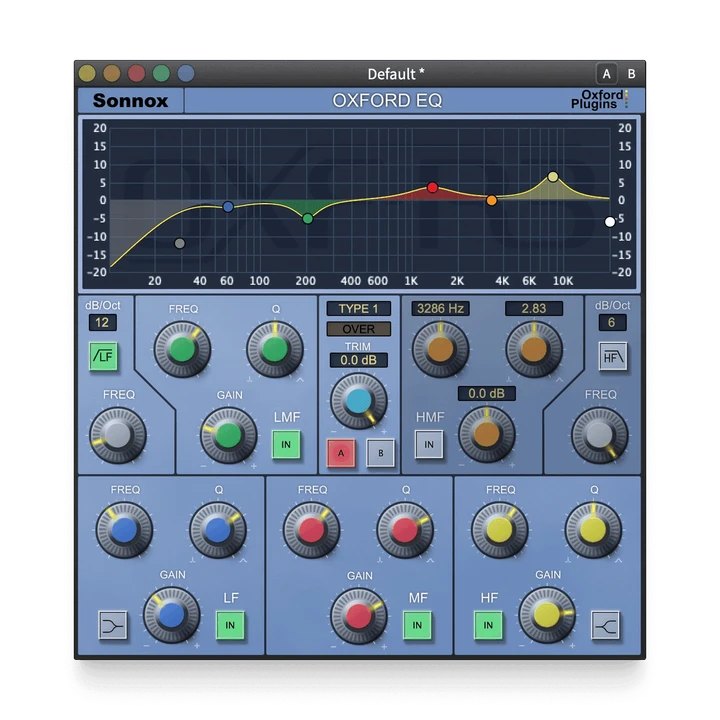 SonnoxOxford EQ | C1.5 | C5 bands | CNot listed | CNot listed |
Click a column heading to sort by that criterion (click again to reverse). Each cell shows the score (1 to 5) on that criterion as 5 = S, 4 = A, 3 = B, 2 or lower = C. A dash means the criterion is not scored. This is a rating of the manufacturer's official features and specifications, not of sound quality. See How we rate specifications.
Top-scoring products
 Pro-Q 4Rank S
- smart:EQ 4Rank A
- MAutoEqualizerRank A
- bx_digital V3Rank A
- SplitEQRank A
- Infinity EQ 2Rank A
- TDR NovaRank A
- F6Rank B
- MEqualizerRank B
Up to 9 products in order of score. Images are the manufacturers’ official press images or Plugin Boutique images. The overall order and the basis for each rank are in the tier tables above and on each product’s page.
Free ways to start
If you want to try something without spending money, or are looking for your first one, you can start with a product that is free to use. Check the free scope and conditions on each product’s page.
- TDR Nova (rank A, free)
- MEqualizer (rank B, free)
- SlickEQ (rank C, free)
How to choose an EQ plug-in
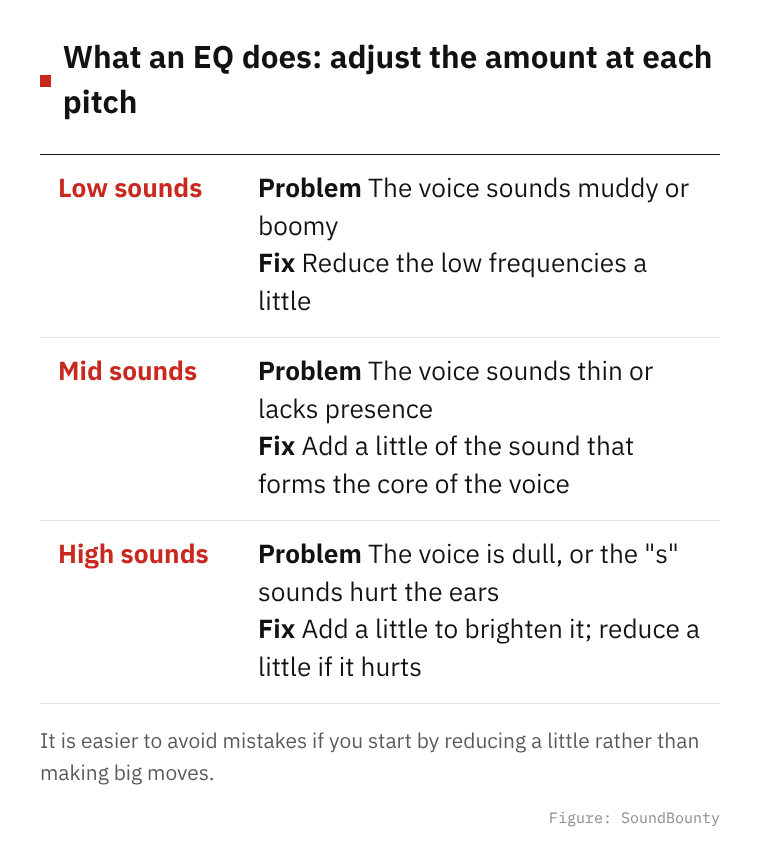
Figure: SoundBounty
What you want the EQ for
An EQ raises or lowers the low and high parts of a sound. There are “fixing” purposes such as removing muddiness and taming harsh resonance, and “creating” purposes such as brightening the sound. For cover songs, we recommend choosing one that is easy to use for fixing first.
Does it make suggestions automatically?
Some products listen to the sound with AI and suggest where to cut. If you do not know which frequency to touch, starting with one that has suggestions makes it easier not to get lost.
An EQ that moves with the sound (dynamic EQ)
Instead of always cutting a fixed amount, a dynamic EQ cuts only when a particular sound gets loud. It can naturally reduce sibilance and the muddiness that appears now and then, so it is handy on vocals. For how to use one, see How to EQ vocals for a cover song.
A word on each product
Prices in the headings are regular prices in US dollars shown on Plugin Boutique on October 10, 2026. They are not part of the score.
Pro-Q 4 (rank S, $199)
FabFilter’s Pro-Q 4 is an EQ with up to 24 bands that combines dynamic EQ (an EQ that works only when the sound gets loud), spectral dynamics (processing that reduces only the parts that stick out, pitch by pitch), a choice of linear phase, zero latency and Natural Phase, EQ matching and more in one plug-in.
smart:EQ 4 (rank A, $129)
sonible’s smart:EQ 4 is an EQ that automatically balances the sound according to a profile chosen by AI (smart:filter). It also has a function that reduces overlap (masking) between several tracks.
MAutoEqualizer (rank A, $165)
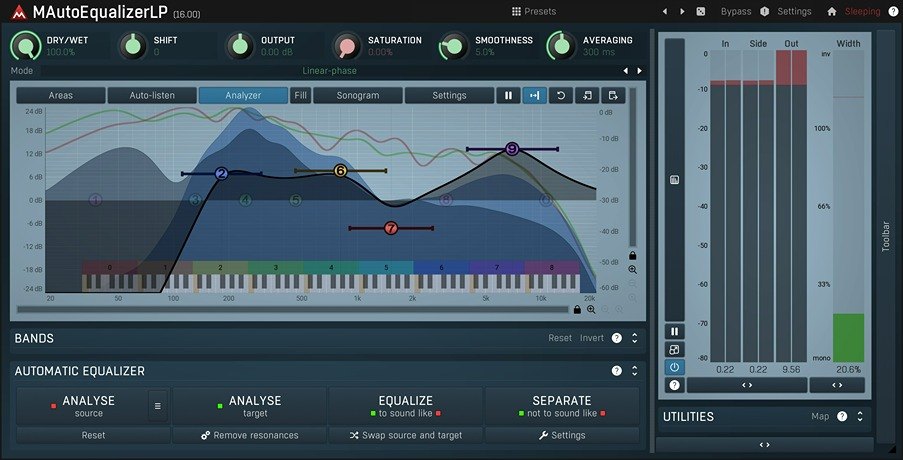
MeldaProduction’s MAutoEqualizer is an EQ that analyzes a track and automatically sets bands so the sound moves closer to a target. A linear-phase version (MAutoEqualizerLP, which does not shift the timing of the sound) is also included.
bx_digital V3 (rank A)
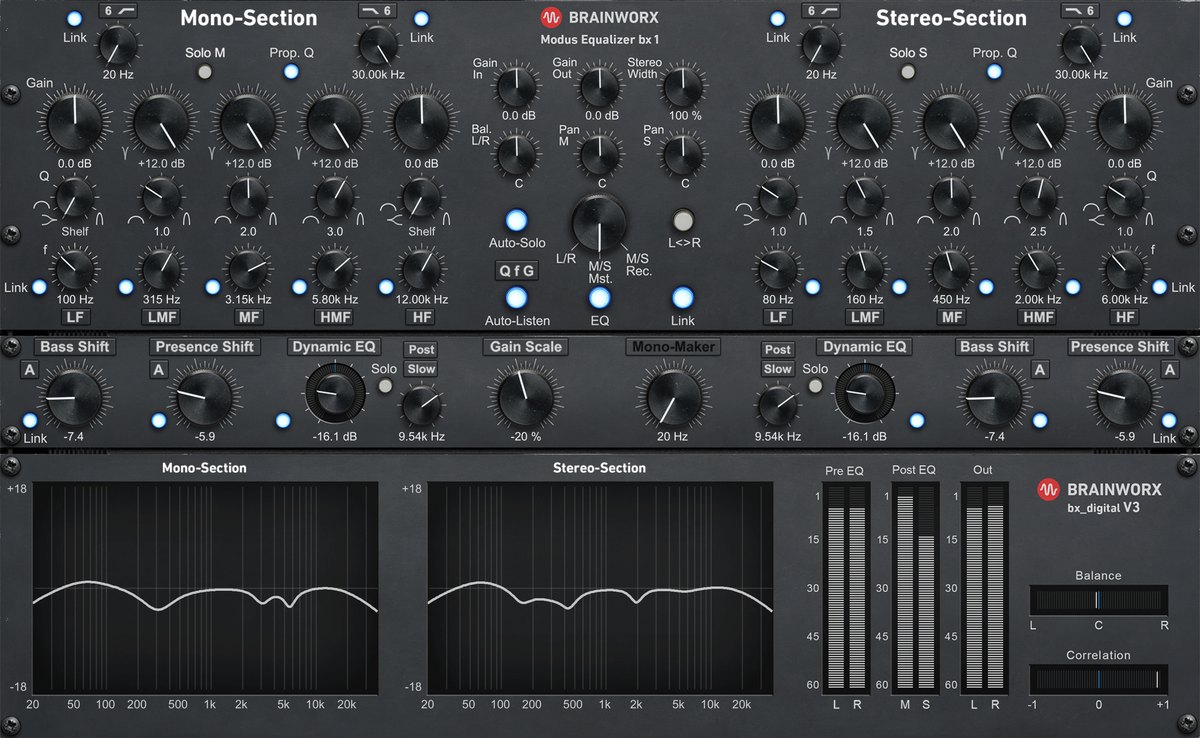
Brainworx’s bx_digital V3 (Plugin Alliance) is an 11-band EQ known as a pioneer of EQs that work in Mid/Side (a method that separates the center and the sides). V3 added dynamic EQ (an EQ that works only when the sound gets loud), proportional-Q filters and Auto-Solo, which lets you hear only the band you changed.
SplitEQ (rank A, $149)
Eventide’s SplitEQ splits a sound into its “attack (transients)” and its “sustained sound (tonal)” and lets you apply a separate EQ to each. L/R and M/S (a method that separates the center and the sides) panning can be set for each as well.
Infinity EQ 2 (rank A, $149)
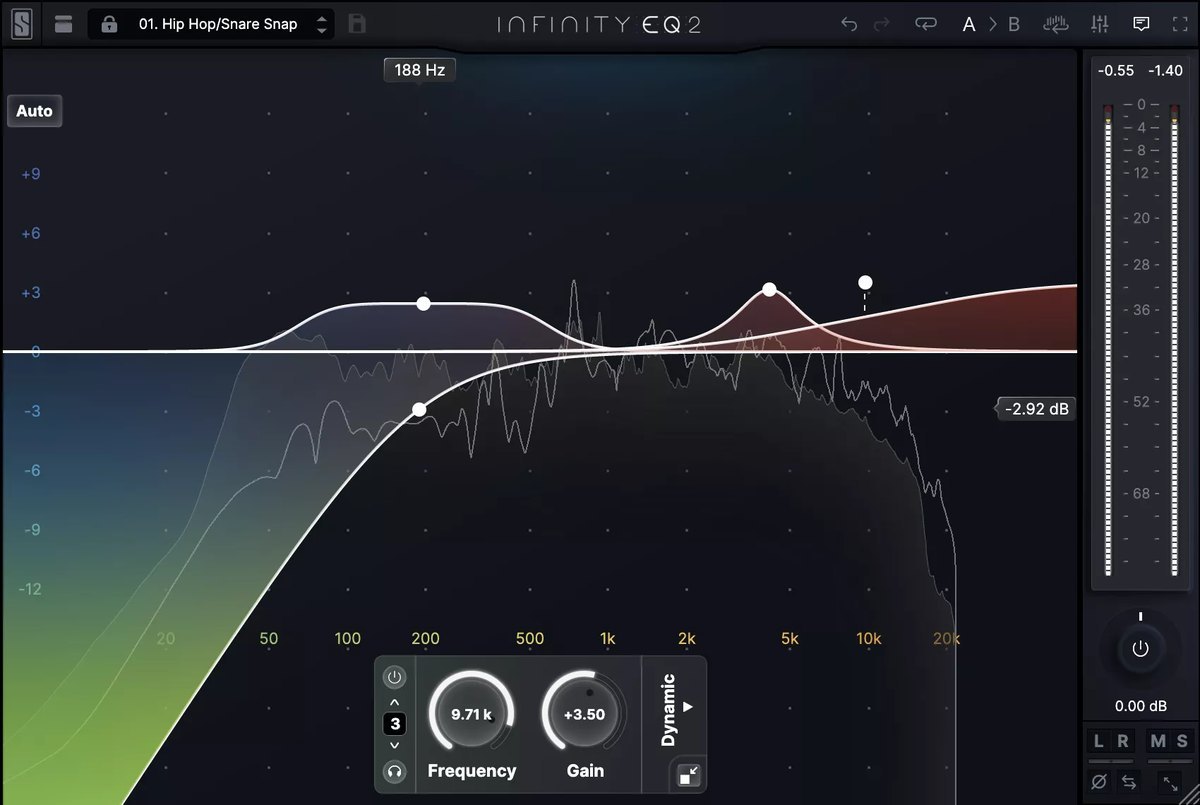
Slate Digital’s Infinity EQ 2 is a parametric EQ with dynamic filters, Mid/Side (a method that separates the center and the sides) and Left/Right processing, and a spectrum analyzer.
TDR Nova (rank A)
Tokyo Dawn Records’ TDR Nova is a free parallel dynamic EQ (an EQ that works only when the sound gets loud, with the processed sound mixed with the original), with dynamics processing on each band. It can also be used as a multiband compressor or a wideband compressor, and it includes a spectrum analyzer.
EQuilibrium (rank A)
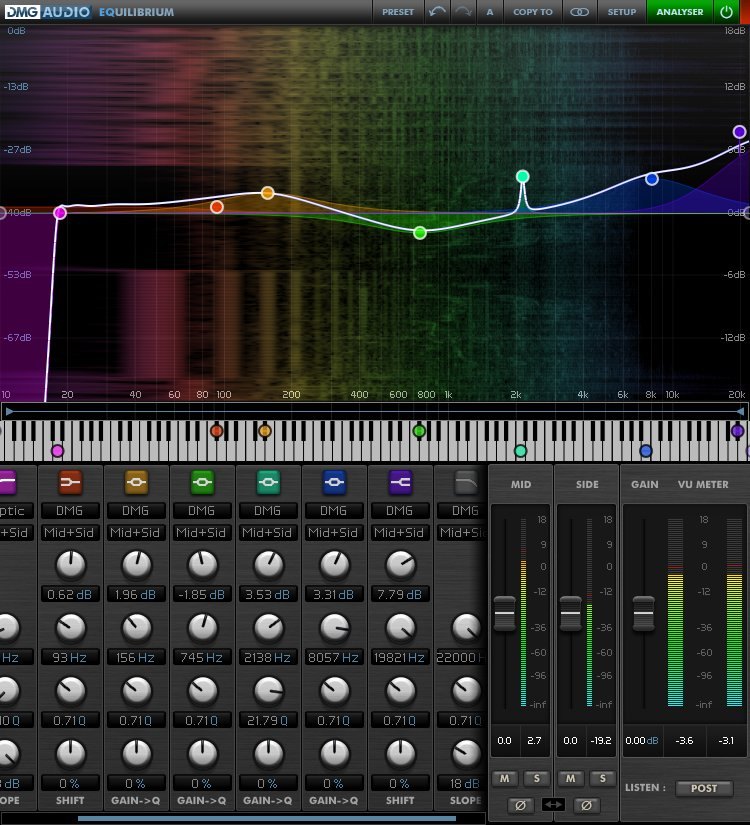
DMG Audio’s EQuilibrium is a full-featured EQ for mastering, with up to 32 bands, a choice of phase behavior including linear phase (a method that does not shift the timing of the sound), circuits modeled on classic units, and support for M/S (a method that separates the center from the sides) and surround.
F6 (rank B, $149)
Waves’ F6 is a dynamic EQ (an EQ that works only when the sound gets loud) in which each of six bands applies EQ only when the sound gets loud. It also supports an external sidechain and Mid/Side (a method that separates the center and the sides) processing.
MEqualizer (rank B)
MeldaProduction’s MEqualizer is a free six-band EQ. Each band offers seven kinds of filter, and it includes tube saturation (a faint distortion, as if passed through analog gear).
Gullfoss (rank B)
Soundtheory’s Gullfoss is a “smart EQ” that listens to the sound and automatically balances it, based on a model of how we hear. It has few knobs, and lets you adjust clarity and the sense of placement in a short time.
Oxford Dynamic EQ (rank C)
Sonnox’s Oxford Dynamic EQ is a dynamic EQ (an EQ that works only when the sound gets loud) that reacts to volume. It supports both upward and downward compression and expansion, and can use internal and external sidechains (a feature that moves an effect to match the sound of another track).
SlickEQ (rank C)
Tokyo Dawn Records’ SlickEQ is a free EQ with three bands plus a high-pass filter, a choice of four EQ models and five output-stage textures. It is built with ease of use and warmth of sound in mind.
Pultec Passive EQ Collection (rank C, $149)
Universal Audio’s Pultec Passive EQ Collection recreates three models of the classic tube EQ, the Pultec: the EQP-1A, MEQ-5 and HLF-3C. It suits adding color to the lows and mids and the effect of old-style filters.
Oxford EQ (rank C)
Sonnox’s Oxford EQ is a five-band parametric EQ based on a famous mixing console. You can switch between four types and use it for both correction and sound shaping.
Frequently asked questions
Q. Is a free EQ good enough?
In this comparison, MEqualizer, TDR Nova and SlickEQ are free. They are enough for basic adjustments. When you want automatic suggestions or detailed displays, consider a paid one.
Q. How is it different from the EQ that comes with my DAW?
A bundled EQ can do basic adjustments too. Paid EQs have more features that make work faster and more accurate, such as a clearer display, automatic suggestions and dynamic EQ.
Q. In what order should I put EQ on vocals?
In general, an EQ that cuts unwanted lows and echo goes first, and a compressor that evens out the sound goes after it. It is not a rule, so try the order that sounds easier to listen to.
How we score
How we score (EQ plug-ins)
| Criterion | Basis | 5 pt | 4 pt | 3 pt | 2 pt | 1 pt |
|---|---|---|---|---|---|---|
| Handling problem bands | The power to target and reduce boomy or harsh sounds | Dynamic EQ, plus processing that reacts only to specific frequencies inside a band | Dynamic EQ (works only when the sound gets loud), or separate processing of the attack and the sustained sound | A static EQ with many bands, or with a choice of processing quality such as linear phase | A static EQ with few bands | — |
| Speed | Features that help you decide settings quickly | AI balances the sound automatically and can also reduce overlap between tracks | Automatic EQ settings or EQ match, plus other aids | One aid, such as EQ match | Analyzer (a visual display of the sound) only | No aids listed |
| Stereo processing | Whether the center and the sides can be processed separately | Supports M/S, separate left/right and surround | Supports M/S plus either separate left/right or surround | M/S only | — | Not mentioned on the official page |
Each criterion is scored from 1 to 5 on how well the product serves one goal: balancing the sound of vocals and backing tracks in a mix. Scores follow the conditions in the table above, and the rank is based on an average in which "Handling problem bands" counts double. The basis is official manufacturer information. Sound quality and CPU load are not measured, so they are not scored; reviews from trade magazines are introduced in the articles for reference. Price is not part of the score. Features that cannot be confirmed from the manufacturer's or a retailer's description are scored as if absent. The "OBS (streaming)" column in the table shows whether the official page lists the VST2 format that the streaming software OBS Studio can use (○). OBS does not support the VST3 format. It is not part of the score.
The thinking behind scores and ranks is summarized in How we rate specifications. We add products in order.
More comparisons
For free options
Pages about free products in this category:
- Free EQs compared
- TDR VOS SlickEQ
- Voxengo SPAN
- Kilohearts Essentials
- Blue Cat Audio’s Freeware Plug-ins Pack II
- Free plug-ins for music production