
Monitor headphones are headphones for hearing sound accurately when you record or mix. This page compares monitor headphones using manufacturer-published specifications and gives each a rank.
The scores are five criteria: ease of driving (impedance), the reproduction range of lows and highs, lightness and suitability for recording (whether they are closed-back). Price is not part of the score.
This list compares 20 monitor headphones on 5 criteria: ease of driving, low-frequency range, high-frequency range, lightness, suitability for recording (sound leakage). Scores are decided by how well each product serves its purpose, using the conditions for each criterion, and the basis is official manufacturer information. Price is not part of the score.
Disclosure: This page contains affiliate links. If you buy through them, SoundBounty may earn a commission at no extra cost to you. Prices are as of the date checked and can change.
Picks by purpose
For each criterion, we list the models with the highest score in this comparison (up to three, in order of overall score when several tie).
- For people who want enough volume from an audio interface or smartphone without a headphone amplifier: MDR-M1ST (rank S), K371 (rank S). Top score (5 points) for “ease of driving”.
- For people who want to check the low end solidly: MDR-M1ST (rank S), MDR-M1 (rank S), K371 (rank S). Top score (5 points) for “low-frequency range”.
- For people who want to check the fine details of the highs: MDR-M1ST (rank S), MDR-M1 (rank S), K371 (rank S). Top score (5 points) for “high-frequency range”.
- For people who want headphones that do not tire them over long periods: MDR-CD900ST (rank S), ATH-M20x (rank A), HD 25 (rank B). Top score (5 points) for “lightness”.
- For people who want less sound leakage while recording: MDR-M1ST (rank S), MDR-M1 (rank S), K371 (rank S). Top score (5 points) for “suitability for recording (sound leakage)”.
Tier list by rank
Ranks are based on the manufacturer's official features and specifications, not on sound quality. Within a row, products are ordered by score. The basis is explained in How we rate specifications.
Tier table by criterion
Products with the same overall rank can have different strengths. Click a column heading to sort by the rank on that criterion, and use it when you choose by the feature you want.
| Product | Overall | Ease of drivingImpedance (the lower it is, the easier to reach a good volume from a small amplifier) | Low-frequency rangeLower limit of the frequency response | High-frequency rangeUpper limit of the frequency response | LightnessWeight (cable excluded) | Suitability for recording (sound leakage)Closed-back or open-back (closed-back keeps sound out of the microphone while you sing) |
|---|---|---|---|---|---|---|
| SonyMDR-M1ST | S4.8 | S24 Ω | S5 Hz | S80,000 Hz | A215 g | S1 |
| SonyMDR-M1 | S4.4 | B50 Ω | S5 Hz | S80,000 Hz | A216 g | S1 |
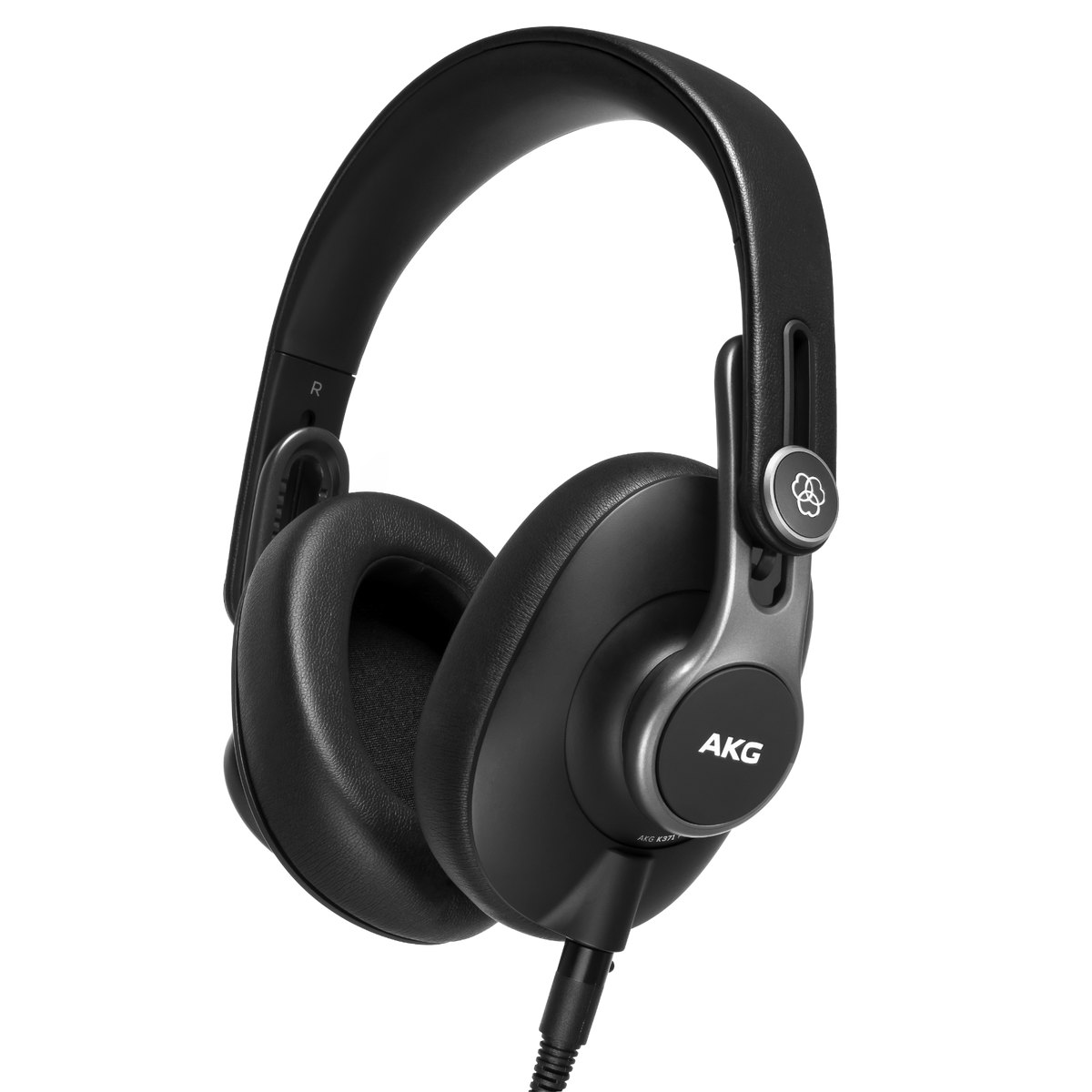 AKGK371 | S4.4 | S32 Ω | S5 Hz | S40,000 Hz | C255 g | S1 |
| Audio-TechnicaATH-M70x | S4.2 | A35 Ω | S5 Hz | S40,000 Hz | C280 g | S1 |
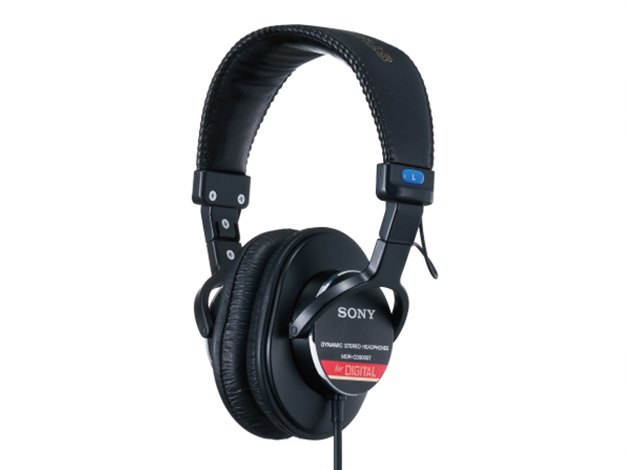 SonyMDR-CD900ST | S4.2 | C63 Ω | S5 Hz | A30,000 Hz | S200 g | S1 |
| beyerdynamicDT 770 PRO 80Ω | A4.0 | C80 Ω | S5 Hz | A35,000 Hz | — | S1 |
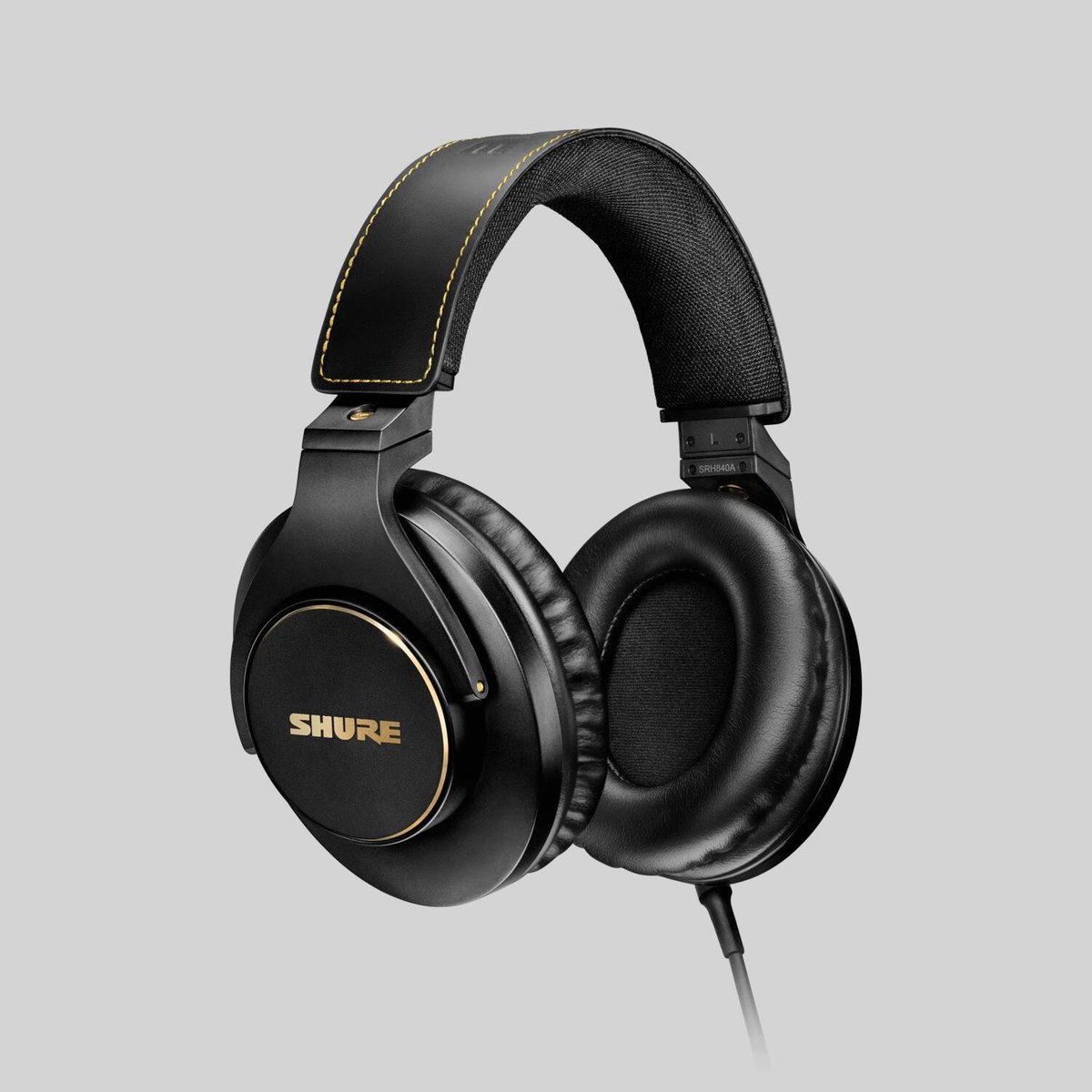 ShureSRH840A | A3.8 | A40 Ω | S5 Hz | B25,000 Hz | C273 g | S1 |
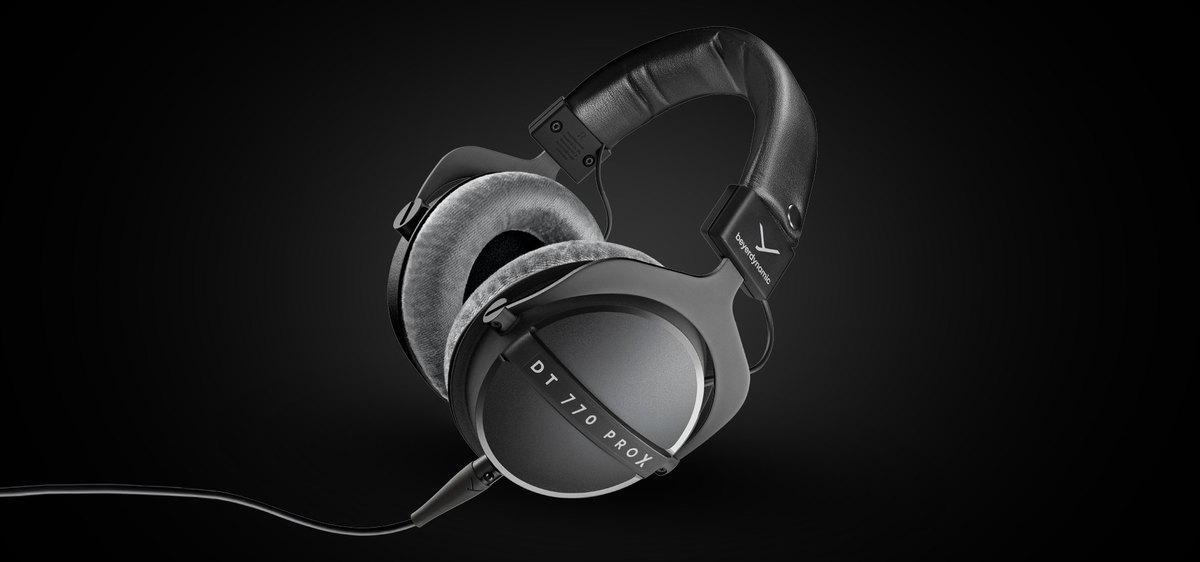 beyerdynamicDT 770 PRO X | A3.8 | B48 Ω | S5 Hz | S40,000 Hz | C305 g | S1 |
| Audio-TechnicaATH-M20x | A3.4 | B47 Ω | B15 Hz | C20,000 Hz | S190 g | S1 |
| Audio-TechnicaATH-M30x | A3.4 | B47 Ω | B15 Hz | C22,000 Hz | A220 g | S1 |
| Audio-TechnicaATH-M40x | A3.4 | A35 Ω | B15 Hz | C24,000 Hz | B240 g | S1 |
| Audio-TechnicaATH-M50x | A3.4 | A38 Ω | B15 Hz | B28,000 Hz | C285 g | S1 |
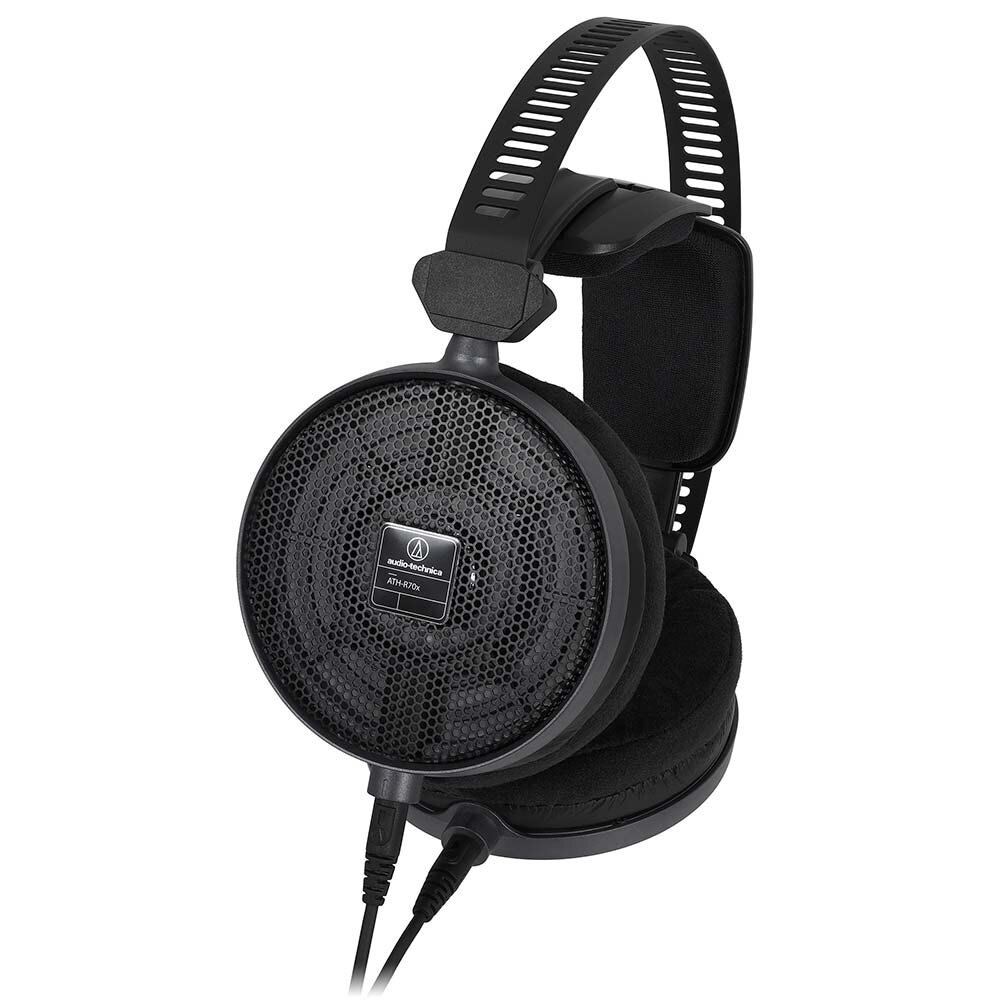 Audio-TechnicaATH-R70x | B3.2 | C470 Ω | S5 Hz | S40,000 Hz | A210 g | C0 |
| YamahaHPH-MT8 | B3.2 | A37 Ω | B15 Hz | B28,000 Hz | C350 g | S1 |
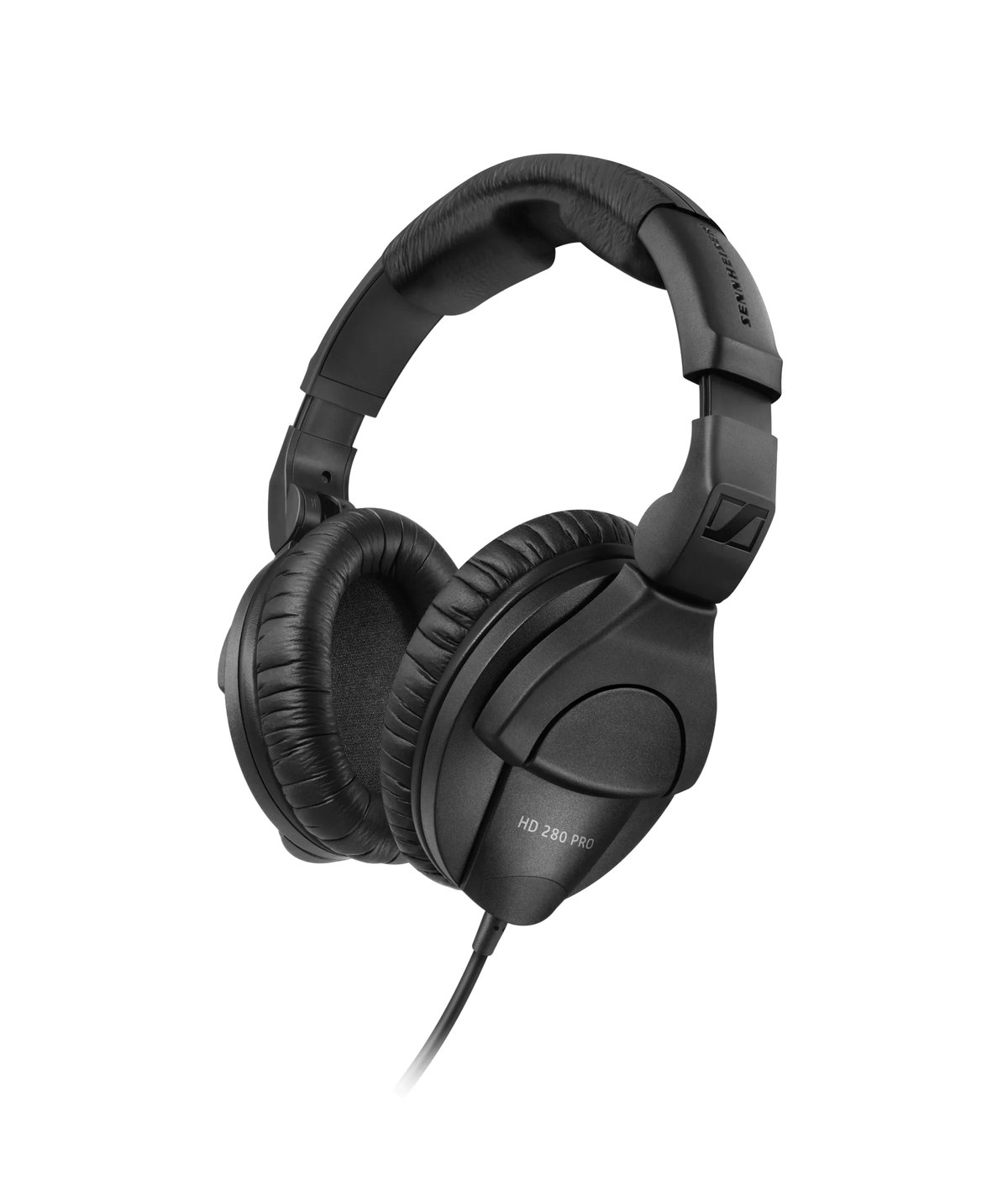 SennheiserHD 280 PRO | B3.2 | C64 Ω | A8 Hz | B25,000 Hz | C285 g | S1 |
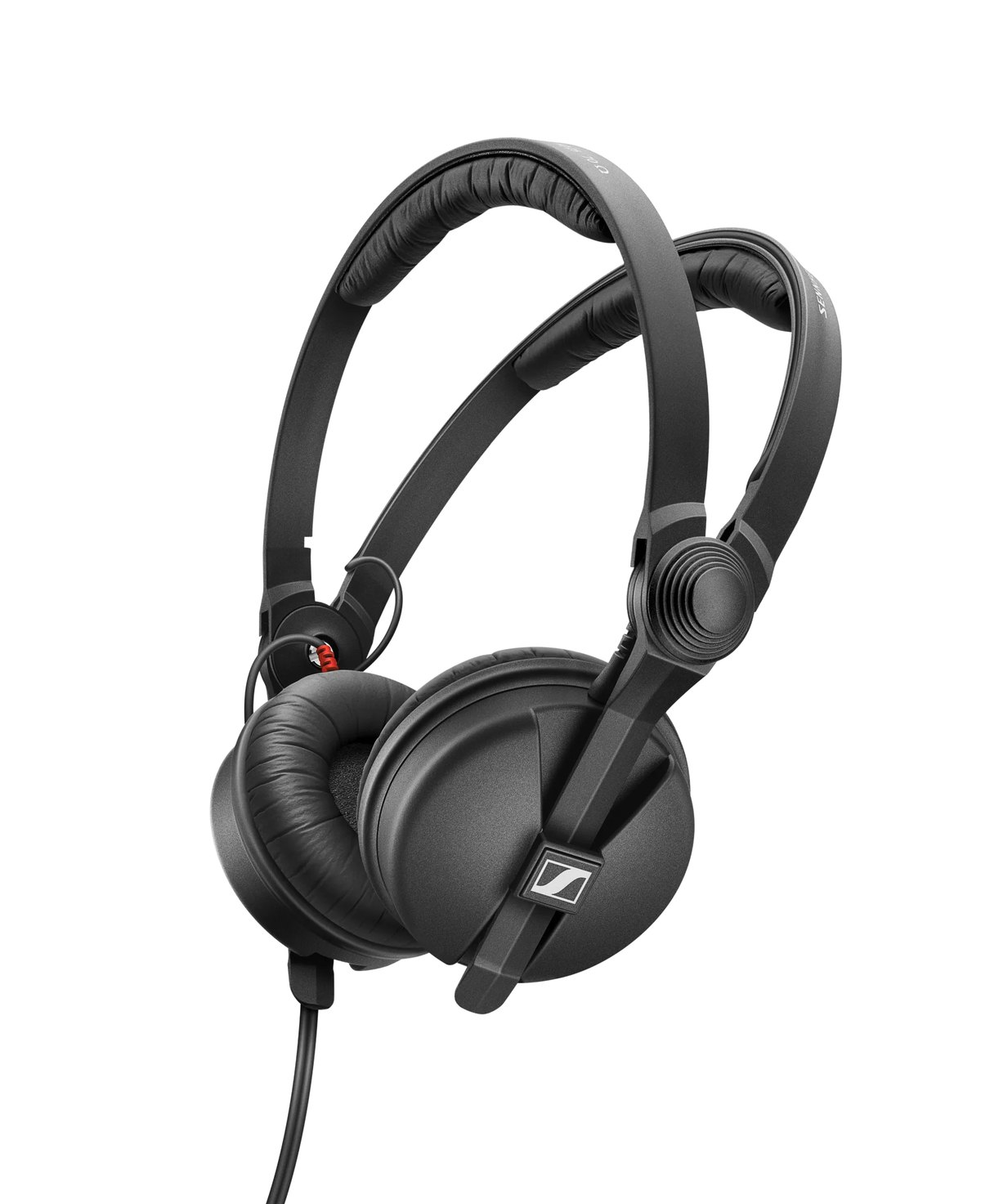 SennheiserHD 25 | B3.2 | C70 Ω | C16 Hz | C22,000 Hz | S140 g | S1 |
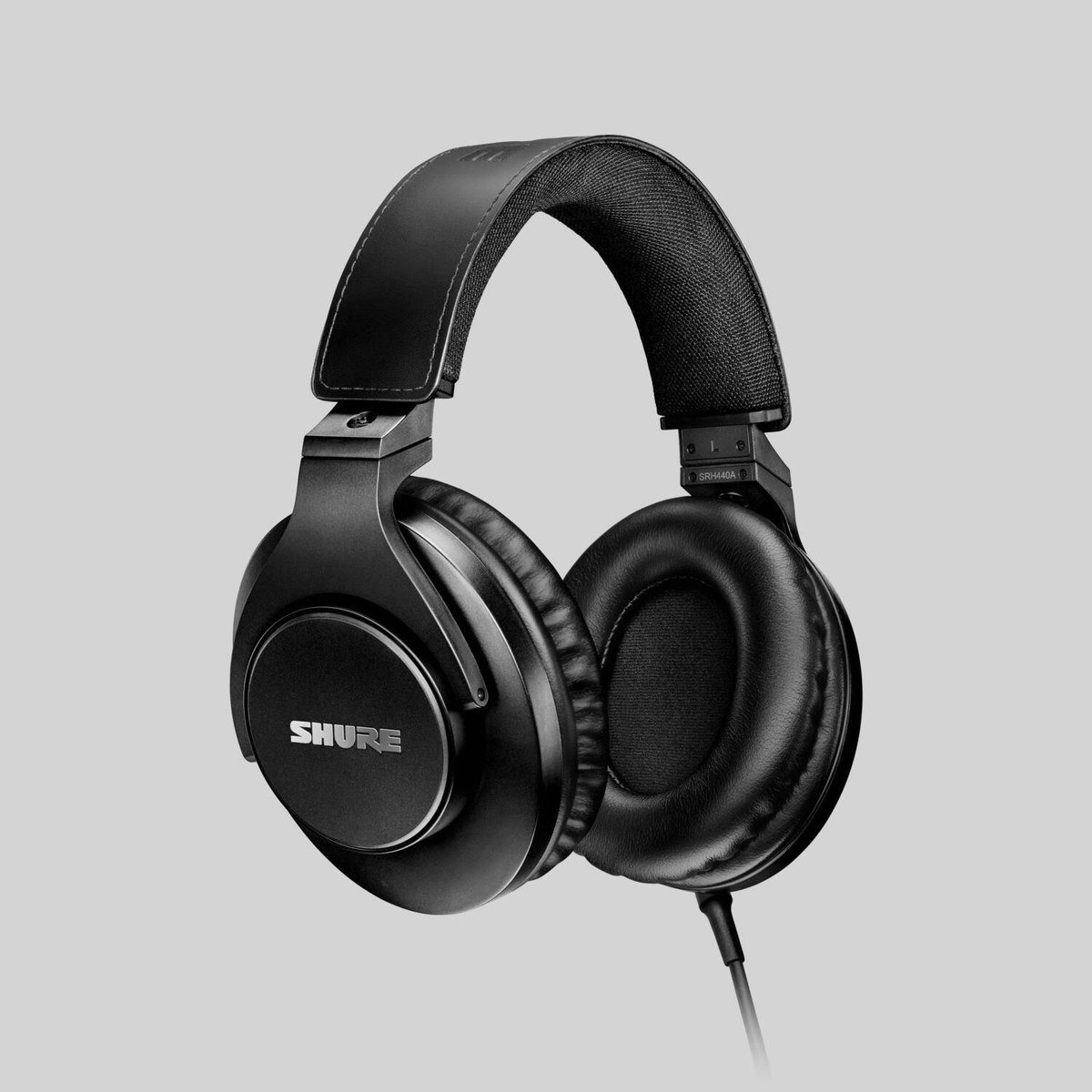 ShureSRH440A | B3.2 | A40 Ω | B10 Hz | C22,000 Hz | C268 g | S1 |
| beyerdynamicDT 990 PRO 80Ω | B3.0 | C80 Ω | S5 Hz | A35,000 Hz | B250 g | C0 |
| YamahaHPH-MT5 | B2.8 | B51 Ω | C20 Hz | C20,000 Hz | B245 g | S1 |
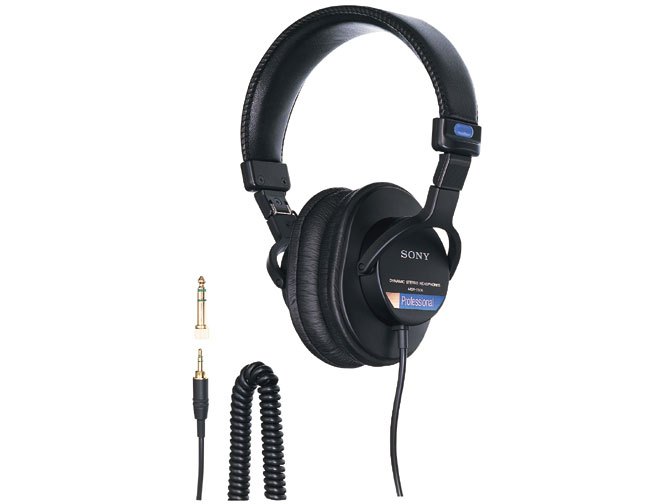 SonyMDR-7506 | B2.8 | C63 Ω | B10 Hz | C20,000 Hz | B230 g | S1 |
Click a column heading to sort by that criterion (click again to reverse). Each cell shows the score (1 to 5) on that criterion as 5 = S, 4 = A, 3 = B, 2 or lower = C. A dash means the criterion is not scored. This is a rating of the manufacturer's official features and specifications, not of sound quality. See How we rate specifications.
How to choose monitor headphones
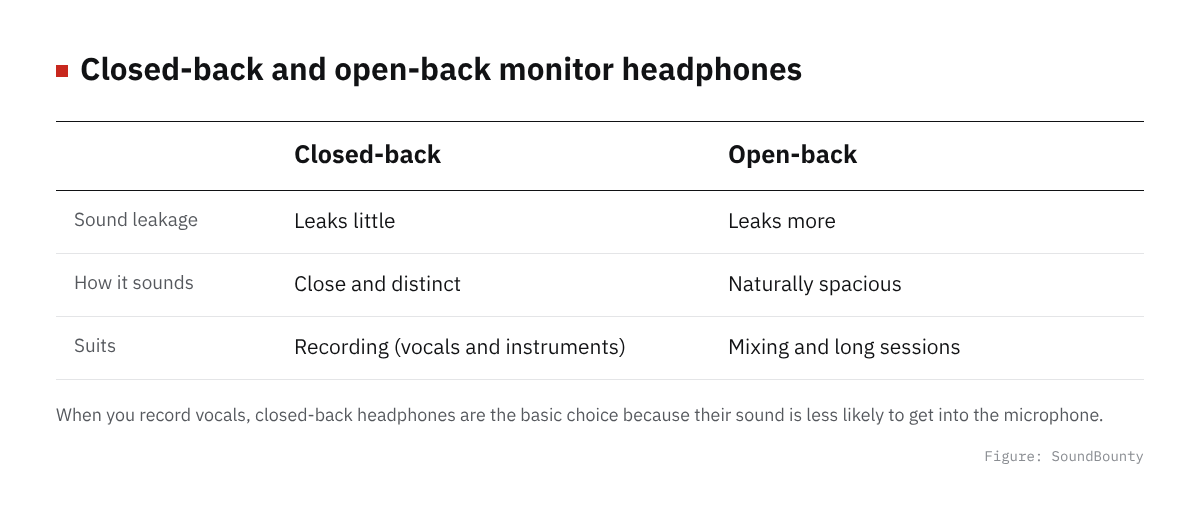
Figure: SoundBounty
Closed-back or open-back?
When you record vocals, closed-back headphones, whose sound is less likely to get into the microphone, are the basic choice. Open-back headphones have a naturally spacious sound and suit mixing, but they leak sound easily and are not suited to recording.
Ease of driving
The less power needed for the same volume, the more easily you get enough volume even from an audio interface or smartphone. With high-impedance models, the volume may run short depending on what you connect them to.
Comfort over long sessions
Recording and mixing tend to run long, so weight matters too. The lighter the model, the less tiring it is.
Cable and parts
With a model whose cable detaches, you can replace it if it breaks. If you will use them for a long time, it is also reassuring to check whether the ear pads can be replaced.
A word on each product
K371 (rank S)
AKG’s K371 is a pair of closed-back monitor headphones.
MDR-CD900ST (rank S)
Sony’s MDR-CD900ST is a pair of closed-back monitor headphones.
SRH840A (rank A)
Shure’s SRH840A is a pair of closed-back monitor headphones.
DT 770 PRO X (rank A)
beyerdynamic’s DT 770 PRO X is a pair of closed-back monitor headphones.
ATH-R70x (rank B)
Audio-Technica’s ATH-R70x is a pair of open-back monitor headphones.
HD 280 PRO (rank B)
Sennheiser’s HD 280 PRO is a pair of closed-back monitor headphones.
HD 25 (rank B)
Sennheiser’s HD 25 is a pair of closed-back monitor headphones.
SRH440A (rank B)
Shure’s SRH440A is a pair of closed-back monitor headphones.
MDR-7506 (rank B)
Sony’s MDR-7506 is a pair of closed-back monitor headphones.
Frequently asked questions
Q. Are listening headphones not good enough?
You can use them, but many listening headphones emphasize the lows and so on to sound pleasant, which makes it harder to judge the balance accurately. For recording and mixing, monitor headphones are recommended.
Q. Can I work with wireless (Bluetooth) headphones?
Bluetooth delays the sound, so it does not suit listening while recording. Use wired headphones for production.
Q. Is it fine to mix on headphones alone?
You can mix on headphones alone. Comparing on speakers, other earphones and a smartphone too makes it easier to check the balance in other environments.
How we score
How we score (Monitor headphones)
| Criterion | Basis | 5 pt | 4 pt | 3 pt | 2 pt | 1 pt |
|---|---|---|---|---|---|---|
| Ease of driving | Impedance (the lower it is, the easier to reach a good volume from a small amplifier) | ≤32 | ≤40 | ≤55 | ≤100 | >100 |
| Low-frequency range | Lower limit of the frequency response | ≤5 | ≤8 | ≤15 | ≤20 | >20 |
| High-frequency range | Upper limit of the frequency response | ≥40000 | ≥30000 | ≥25000 | ≥22000 | <22000 |
| Lightness | Weight (cable excluded) | ≤200 | ≤220 | ≤250 | ≤290 | >290 |
| Suitability for recording (sound leakage) | Closed-back or open-back (closed-back keeps sound out of the microphone while you sing) | Closed-back | — | — | — | Open-back |
Scored only on the body specifications published by the manufacturer. Price and accessories are not part of the score. Ease of driving is compared by impedance (Ω), which every manufacturer publishes. The lower the number, the easier it is to reach a good volume from the headphone jack of an audio interface or a smartphone, so a headphone amplifier is less likely to be needed (sensitivity is shown in the table for reference). "Suitability for recording" scores closed-back headphones higher because the sound is less likely to leak into the microphone while you sing. If you choose open-back headphones for mixing, you can ignore this item.
The thinking behind scores and ranks is summarized in How we rate specifications. We add products in order.