
A USB microphone is a microphone you can use just by connecting it to a computer with one USB cable. You can start streaming, cover songs or narration without an audio interface. This page compares USB microphones using manufacturer-published specifications and gives each a rank.
The scores are four criteria: recording detail (sampling rate), switchable pickup patterns, controls at hand (such as mute and headphone volume) and range of connections (XLR output and smartphone support). USB microphones often do not publish sensitivity or self-noise, so they are compared on the criteria that make a difference in actual use. Price is not part of the score.
This list compares 11 USB microphones on 4 criteria: recording detail, switchable pickup patterns, controls at hand, range of connections. Scores are decided by how well each product serves its purpose, using the conditions for each criterion, and the basis is official manufacturer information. Price is not part of the score.
Disclosure: This page contains affiliate links. If you buy through them, SoundBounty may earn a commission at no extra cost to you. Prices are as of the date checked and can change.
Picks by purpose
For each criterion, we list the models with the highest score in this comparison (up to three, in order of overall score when several tie).
- For people who want to record in fine detail at a high sampling rate: ATR2100x-USB (rank B). Top score (5 points) for “recording detail”.
- For people who want to change how they record (singing, conversation and so on) with one microphone: Blue Yeti (rank B). Top score (5 points) for “switchable pickup patterns”.
- For people who want to control mute and volume at the microphone: MV7 (rank A), AT2020USB-X (rank B), AT2040USB (rank B). Top score (5 points) for “controls at hand”.
- For people who want to use it later with an audio interface or a smartphone: MV7 (rank A), MV7+ (rank B), PodMic USB (rank B). Top score (5 points) for “range of connections”.
Tier list by rank
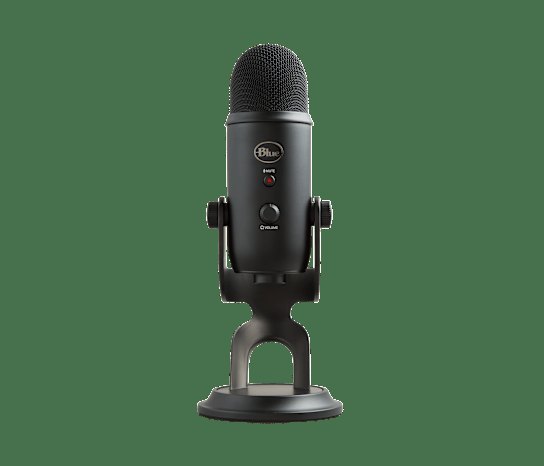 Logicool GBlue YetiShureMV7+RØDEPodMic USB
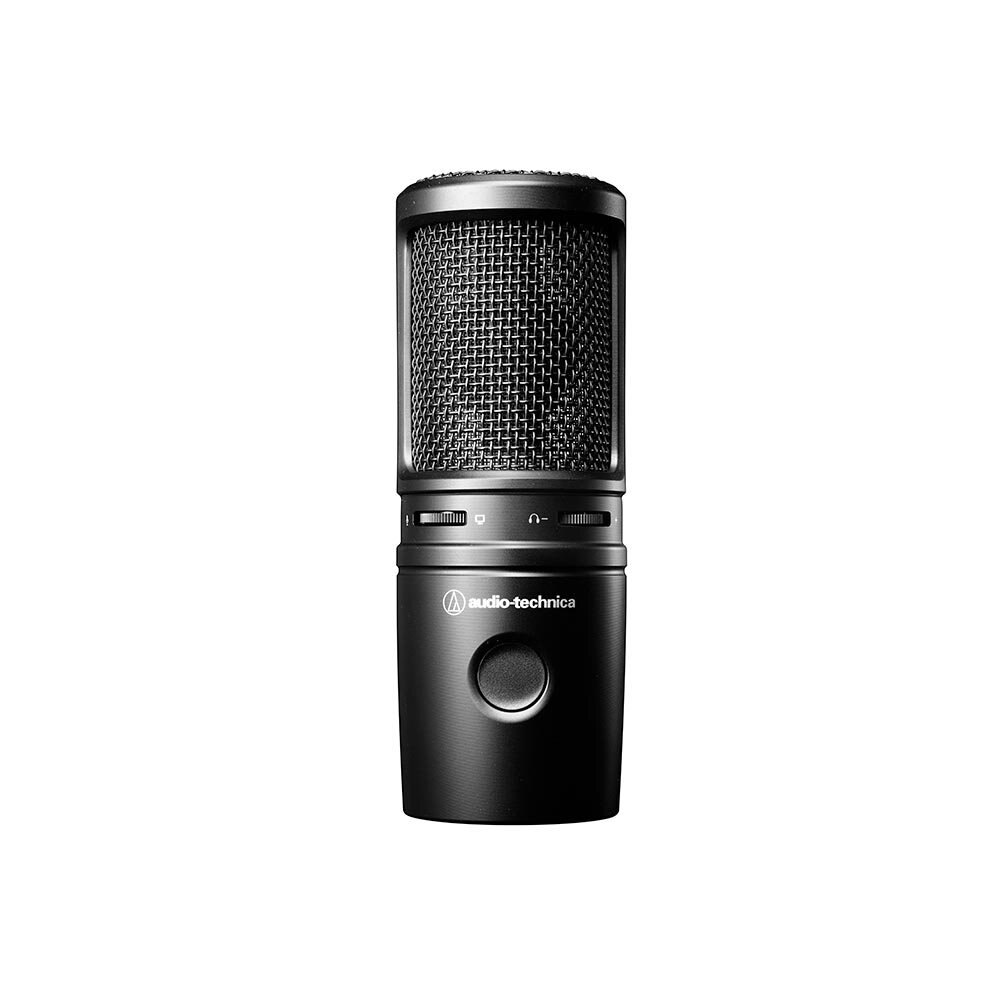 Audio-TechnicaAT2020USB-XAudio-TechnicaAT2040USB
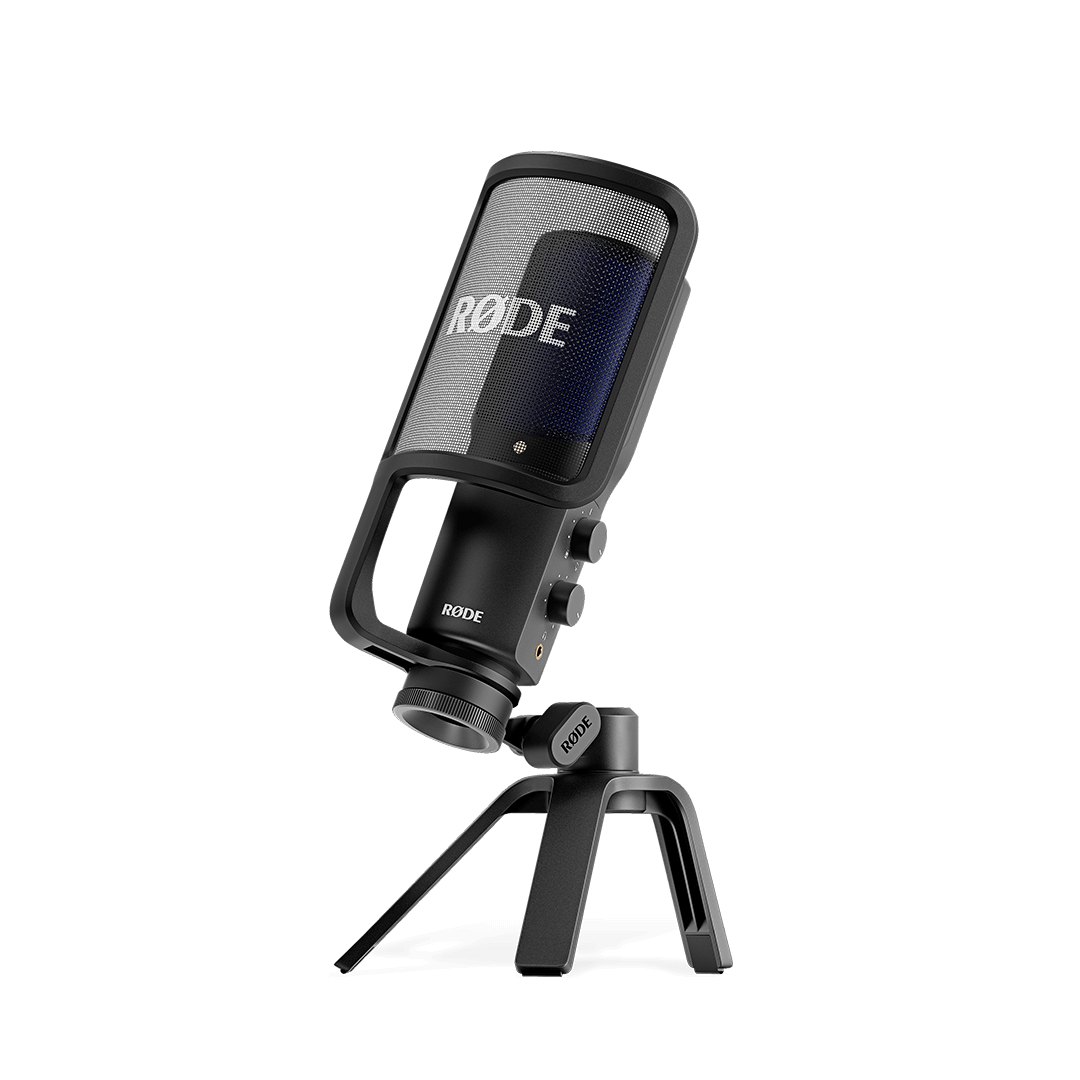 RØDENT-USB+SamsonQ2USamsonQ9U
Ranks are based on the manufacturer's official features and specifications, not on sound quality. Within a row, products are ordered by score. The basis is explained in How we rate specifications.
Tier table by criterion
Products with the same overall rank can have different strengths. Click a column heading to sort by the rank on that criterion, and use it when you choose by the feature you want.
| Product | Overall | Recording detailHighest supported sampling rate | Switchable pickup patternsNumber of selectable pickup patterns | Controls at handMute, gain knob, headphone jack, headphone volume, mix control | Range of connectionsXLR output and smartphone (iOS / Android) support |
|---|---|---|---|---|---|
| ShureMV7 | A3.5 | B48 kHz | C1 | S5 | S2 |
| Audio-TechnicaATR2100x-USB | B3.3 | S192 kHz | C1 | A3 | B1 |
| Logicool GBlue Yeti | B3.3 | B48 kHz | S4 | A3 | C0 |
| ShureMV7+ | B3.3 | B48 kHz | C1 | A3 | S2 |
| RØDEPodMic USB | B3.0 | B48 kHz | C1 | B2 | S2 |
| Audio-TechnicaAT2020USB-X | B2.8 | A96 kHz | C1 | S4 | C0 |
| Audio-TechnicaAT2040USB | B2.8 | A96 kHz | C1 | S4 | C0 |
| RØDENT-USB+ | B2.8 | B48 kHz | C1 | A3 | B1 |
| SamsonQ2U | B2.8 | B48 kHz | C1 | A3 | B1 |
| SamsonQ9U | B2.8 | A96 kHz | C1 | B2 | B1 |
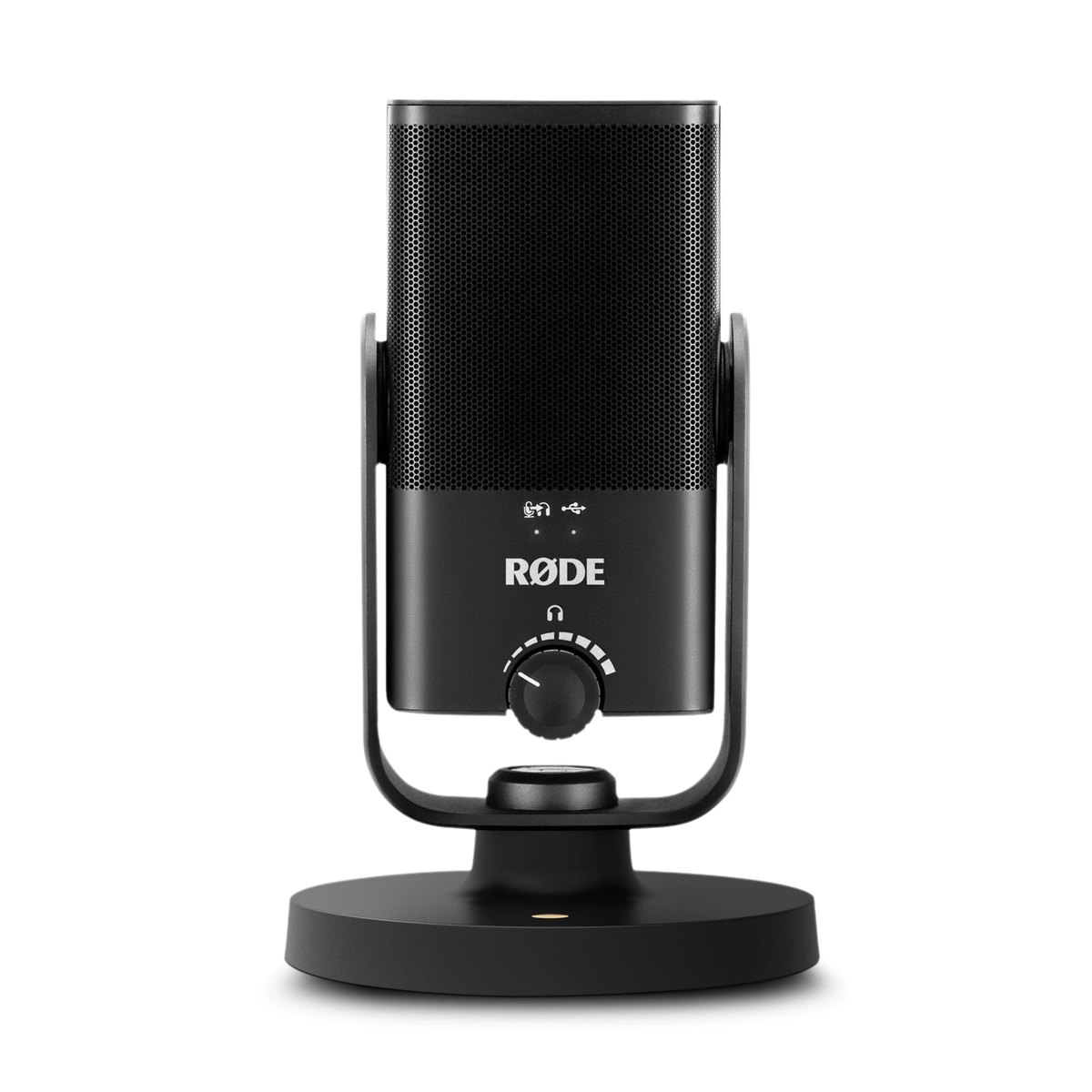 RØDENT-USB Mini | C2.5 | B48 kHz | C1 | B2 | B1 |
Click a column heading to sort by that criterion (click again to reverse). Each cell shows the score (1 to 5) on that criterion as 5 = S, 4 = A, 3 = B, 2 or lower = C. A dash means the criterion is not scored. This is a rating of the manufacturer's official features and specifications, not of sound quality. See How we rate specifications.
How to choose a USB microphone
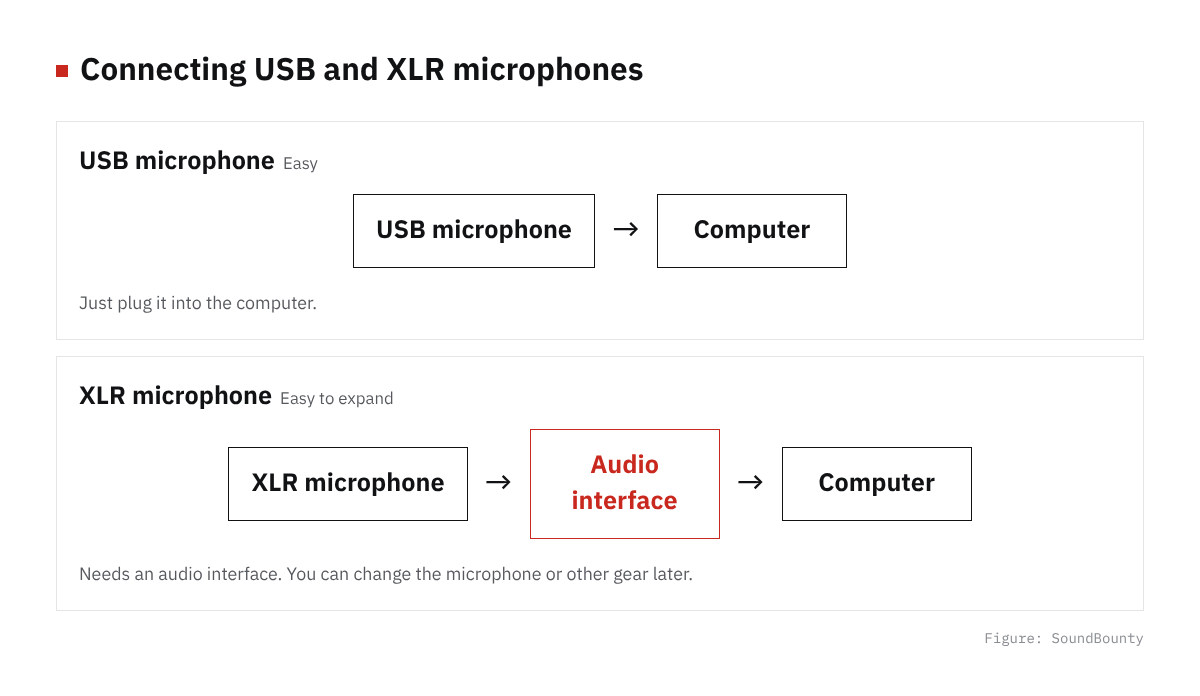
Figure: SoundBounty
Condenser or dynamic?
A condenser records the nuances of a voice more easily and suits singing and narration in a quiet room. A dynamic picks up little surrounding sound and suits streaming in a room that is not soundproofed.
Can it also connect by XLR?
A model that supports both USB and XLR can be connected straight to the computer at first and switched to XLR when you later buy an audio interface. If you will use it for a long time, supporting both is reassuring.
Headphone jack and mute
If the microphone has a headphone jack, you can record while hearing your own voice without delay. For streaming, a mute button at hand is handy.
Sampling rate
For streaming and recording vocals, 48 kHz is enough. 96 kHz and 192 kHz record in more detail, but the files get larger.
A word on each product
MV7 (rank A)
Shure’s MV7 is a cardioid dynamic USB microphone that also has an XLR output.
ATR2100x-USB (rank B)
Audio-Technica’s ATR2100x-USB is a cardioid dynamic USB microphone that also has an XLR output.
Blue Yeti (rank B)
Logicool G’s Blue Yeti is a multi-pattern condenser USB microphone.
MV7+ (rank B)
Shure’s MV7+ is a cardioid dynamic USB microphone that also has an XLR output.
AT2020USB-X (rank B)
Audio-Technica’s AT2020USB-X is a cardioid condenser USB microphone.
NT-USB+ (rank B)
RØDE’s NT-USB+ is a cardioid condenser USB microphone.
Q2U (rank B)
Samson’s Q2U is a cardioid dynamic USB microphone that also has an XLR output.
Q9U (rank B)
Samson’s Q9U is a cardioid dynamic USB microphone that also has an XLR output.
NT-USB Mini (rank C)
RØDE’s NT-USB Mini is a cardioid condenser USB microphone.
Frequently asked questions
Q. Which is better, a USB microphone or an XLR microphone?
If you want to start right away, a USB microphone; if you want to add gear later and refine the sound, an XLR microphone plus an audio interface. A model that supports both USB and XLR can be used either way.
Q. Can I record cover songs with a USB microphone?
Yes. With a model that has a headphone jack, you can record while hearing the backing track and your own voice without delay. If room echo bothers you, also consider acoustic absorption or a reflection filter.
Q. Can I use it with a smartphone?
A model whose maker states iOS and Android support can be connected to a smartphone with a conversion cable or similar. You can check it under “range of connections” in the table.
How we score
How we score (USB microphones)
| Criterion | Basis | 5 pt | 4 pt | 3 pt | 2 pt | 1 pt |
|---|---|---|---|---|---|---|
| Recording detail | Highest supported sampling rate | 192 kHz | 96 kHz | 48 kHz | 44.1 kHz | Lower |
| Switchable pickup patterns | Number of selectable pickup patterns | 4 or more | 3 | 2 | — | 1 (no switching) |
| Controls at hand | Mute, gain knob, headphone jack, headphone volume, mix control | 4 to 5 | 3 | 2 | 1 | None |
| Range of connections | XLR output and smartphone (iOS / Android) support | 2 | — | 1 | — | None |
Scored only on the specifications published by the manufacturer. Price and accessories are not part of the score. USB microphones often do not publish the sensitivity or self-noise that ordinary microphones do, so they are compared on the things that make a difference when you plug straight into a computer: recording detail, switchable pickup patterns, controls at hand and range of connections. Smartphone support counts only where the manufacturer states iOS or Android compatibility. Weight is shown in the table for reference.
The thinking behind scores and ranks is summarized in How we rate specifications. We add products in order.