
Disclosure: This page may contain affiliate links. Prices were checked on the date shown and may change.
An introduction to Audio-Technica ATH-R70xa, based on information from the maker and distributors: what it does, how to use it and who it may suit. It is not scored.
What is ATH-R70xa?
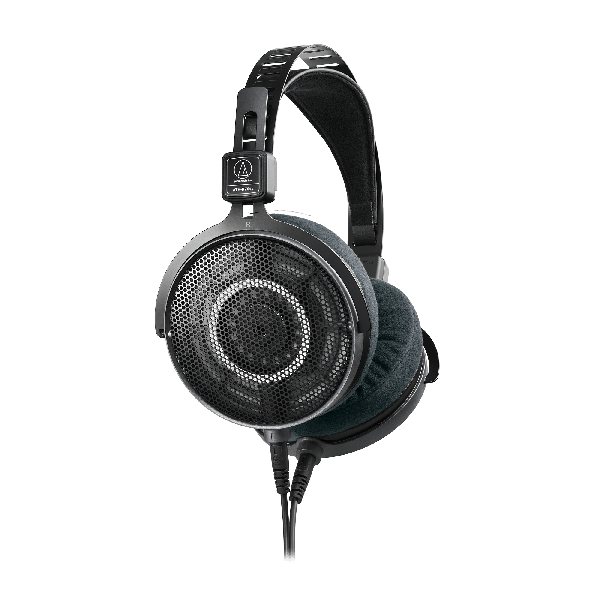
The ATH-R70xa is an open-back professional reference headphone from Audio-Technica.
It carries a 45 mm driver, with a frequency range listed as 5 Hz to 40 kHz.
A detachable locking cable, a 6.3 mm adapter and a carrying pouch are reported to be included.
Detailed specs should be confirmed on the official page.
The ATH-R70xa is positioned by Audio-Technica as the flagship of its professional open-back reference headphones. It is described as an enhanced version of the ATH-R70x that keeps the natural, balanced character while refining accuracy and detail.
The official page calls it a pure open-back design in which each diaphragm movement translates directly into sound. Open-back models are described as suited to mixing, mastering and creating in a studio or other private space, with a spacious feel similar to a speaker monitor system.
Each unit is assembled by hand in Machida, Japan, from components built in-house and tested before leaving the factory.
Key features
Open-back
An open structure aimed at mix checking in the studio. Leakage makes it less suited to monitoring during recording.
45 mm driver
It uses a large-diameter driver.
5 Hz – 40 kHz
The frequency range stated by the manufacturer.
Detachable cable
A locking detachable cable allows replacement.
Accessories
A 6.3 mm adapter and carrying pouch are reported to be included.
Only 199 g
The official page lists a weight of 199 g without the cable and describes it as comfortable for long studio sessions.
Detachable dual-sided cable
The cable is detachable and dual-sided, so it can be connected on either ear cup.
Handcrafted in Japan
Units are assembled from in-house components and tested before shipping, according to the official page.
Open-back vs closed-back guidance
The official page explains that open-back suits mixing and mastering in private spaces, while closed-back suits recording and noisy places.
Specifications
| Item | Details |
|---|---|
| Type | Open-back |
| Driver | 45 mm |
| Frequency range | 5 Hz – 40 kHz |
| Weight | 199 g (without cable) |
| Cable | Detachable, dual-sided |
| Made in | Handcrafted in Machida, Japan |
What is included and system requirements
- Detachable locking cable
- 6.3 mm adapter
- Carrying pouch
How to use it
- Plug the cable into the headphone.
- Connect to a headphone output.
- Use the adapter if needed.
- Put on with volume low.
- Adjust the volume.
Where it may come in handy
Mix checking
As a reference model it could be used for mix checks.
Pre-mastering checks
It may suit final checks in a quiet room.
Long sessions
Fit needs checking, but a light build is reported, which may suit long work.
Mix checks in a quiet room
Because open-back models leak sound, it may suit mix checks in a quiet room where no mic is recording.
Long editing sessions
At 199 g it may reduce fatigue during long editing or pre-mastering sessions.
Who it may suit
- People seeking open-back reference headphones
- Those wanting mix-check headphones
- Those working in a quiet room
Good to know before you buy
- Being open-back, sound leaks out.
- Impedance and weight must be confirmed on the official page (not retrieved).
- As an open-back model it lets sound out and in; the manufacturer points to closed-back models for recording or noisy places.
Price
Please check the official page for the price.
See ATH-R70xa on the product page
More of the same kind
We have introduced 17 headphones. Here are some of the others.
- Austrian Audio Hi-X55
- Sennheiser HD 490 PRO
- Sony MDR-EX800ST
- Austrian Audio Hi-X20
- Austrian Audio Hi-X50
- Neumann NDH 20 / NDH 30
We have introduced 4 other products from Audio-Technica.
For a side-by-side comparison scored on the same criteria, see our comparison of headphones.
See the full list in Product database: Studio monitors and headphones.
Sources: audio-technica.com (checked 2026-10-27)









Comments