
When you record cover songs or narration at home, the microphone has the biggest effect on how good the sound is. This page compares microphones using manufacturer-published specifications and gives each a rank.
The scores are five criteria: quietness of the recording (self-noise), sensitivity, handling of loud voices, features (pad, low-cut and pickup-pattern switch) and lightness. Microphones that connect straight to a computer by USB are compared separately in our USB microphone comparison. Price is not part of the score.
This list compares 32 microphones on 5 criteria: quietness, sensitivity, handling of loud sound, features, lightness. Scores are decided by how well each product serves its purpose, using the conditions for each criterion, and the basis is official manufacturer information. Price is not part of the score.
Disclosure: This page contains affiliate links. If you buy through them, SoundBounty may earn a commission at no extra cost to you. Prices are as of the date checked and can change.
Picks by purpose
For each criterion, we list the models with the highest score in this comparison (up to three, in order of overall score when several tie).
- For people who want to record quiet voices and whispers cleanly: C414 XLII (rank S), C414 XLS (rank S), NT1 5th Gen (rank A). Top score (5 points) for “quietness”.
- For people with a softer voice who still want a solid recording level: NT1 5th Gen (rank A), AT4040 (rank A), LCT 540 S (rank A). Top score (5 points) for “sensitivity”.
- For people who record loud voices or instruments up close: AT2035 (rank A), OC18 (rank A), OC818 (rank A). Top score (5 points) for “handling of loud sound”.
- For people who want to adjust the recording with switches on the body, such as the pad and low-cut: C414 XLII (rank S), C414 XLS (rank S), OC818 (rank A). Top score (5 points) for “features”.
- For people who want to go easy on the microphone stand: C414 XLII (rank S), C414 XLS (rank S), C214 (rank A). Top score (5 points) for “lightness”.
Tier list by rank
Ranks are based on the manufacturer's official features and specifications, not on sound quality. Within a row, products are ordered by score. The basis is explained in How we rate specifications.
Tier table by criterion
Products with the same overall rank can have different strengths. Click a column heading to sort by the rank on that criterion, and use it when you choose by the feature you want.
| Product | Overall | QuietnessSelf-noise | SensitivitySensitivity | Handling of loud soundMaximum SPL (without the pad) | FeaturesPad, low-cut and pickup-pattern switch | LightnessWeight |
|---|---|---|---|---|---|---|
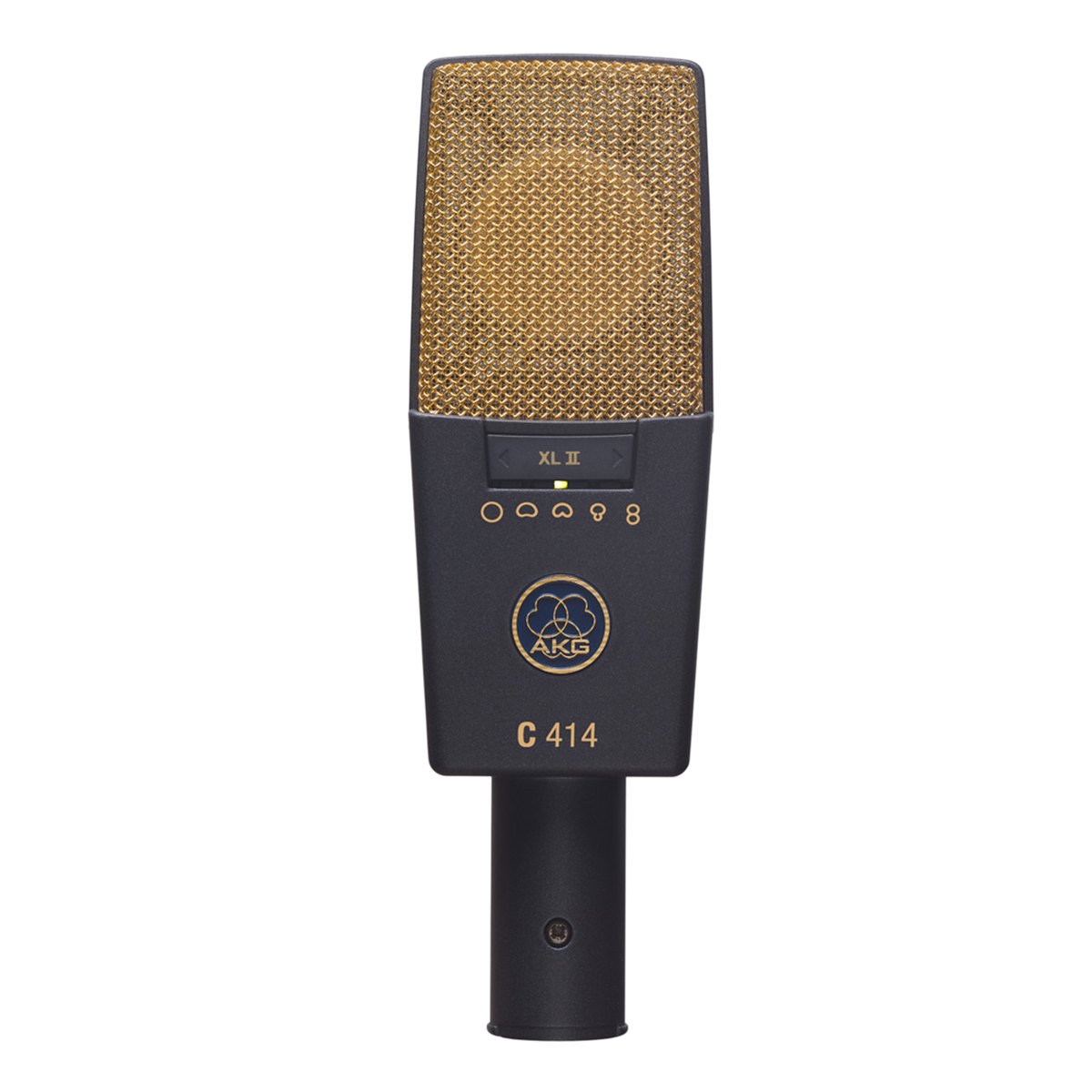 AKGC414 XLII | S4.4 | S6 dB(A) | A23 mV/Pa | B140 dB | S3 | S300 g |
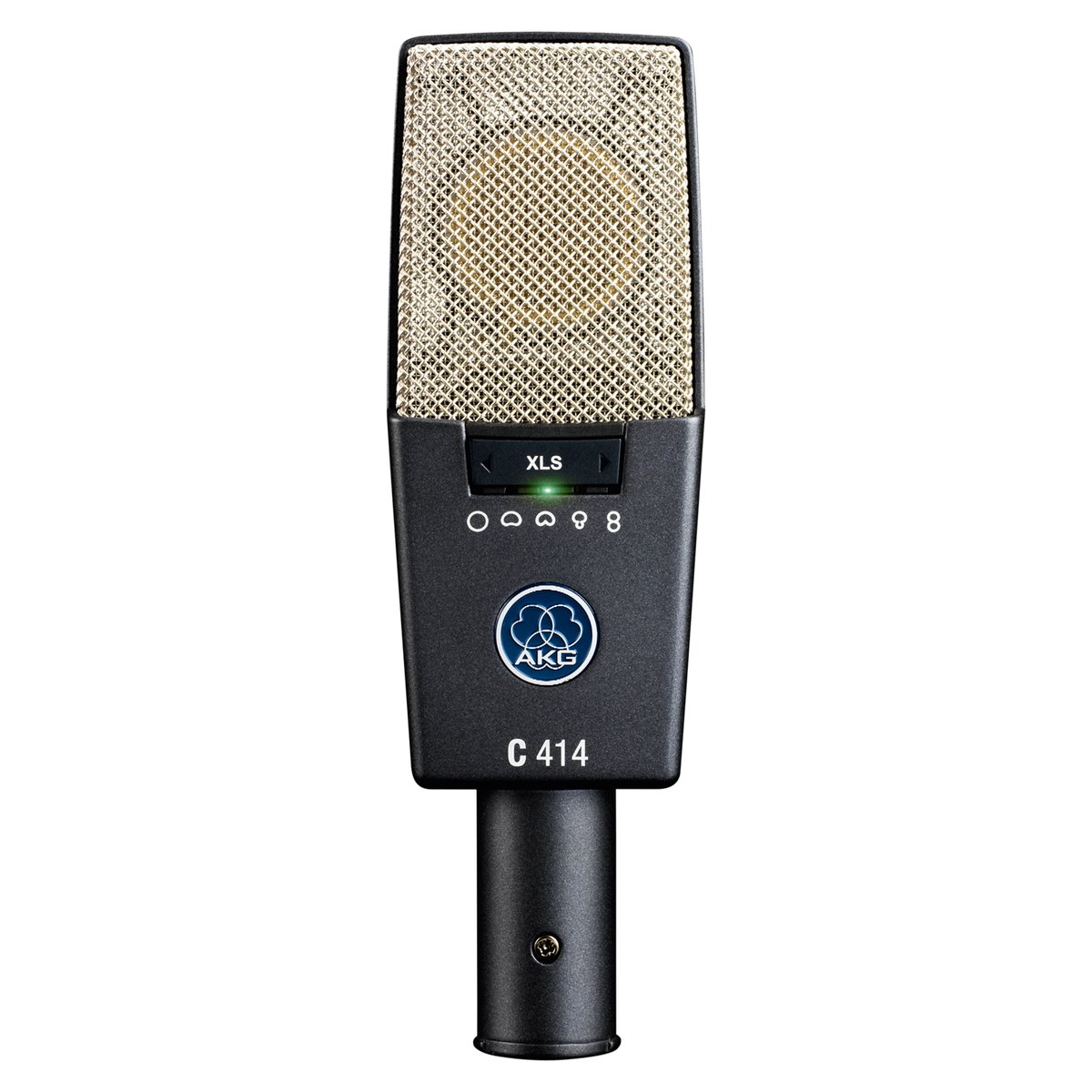 AKGC414 XLS | S4.4 | S6 dB(A) | A23 mV/Pa | B140 dB | S3 | S300 g |
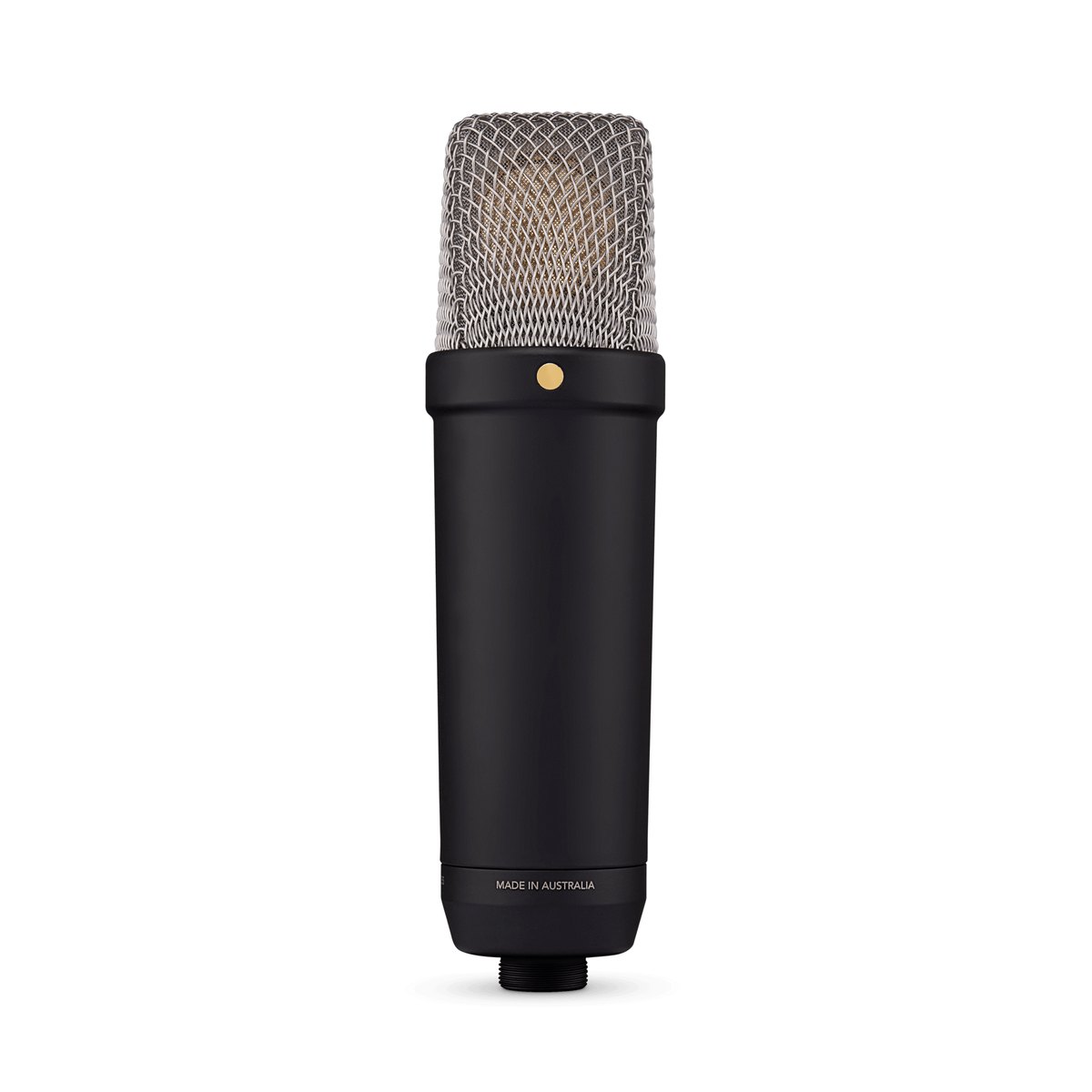 RØDENT1 5th Gen | A4.0 | S4 dB(A) | S25 mV/Pa | B142 dB | B1 | A308 g |
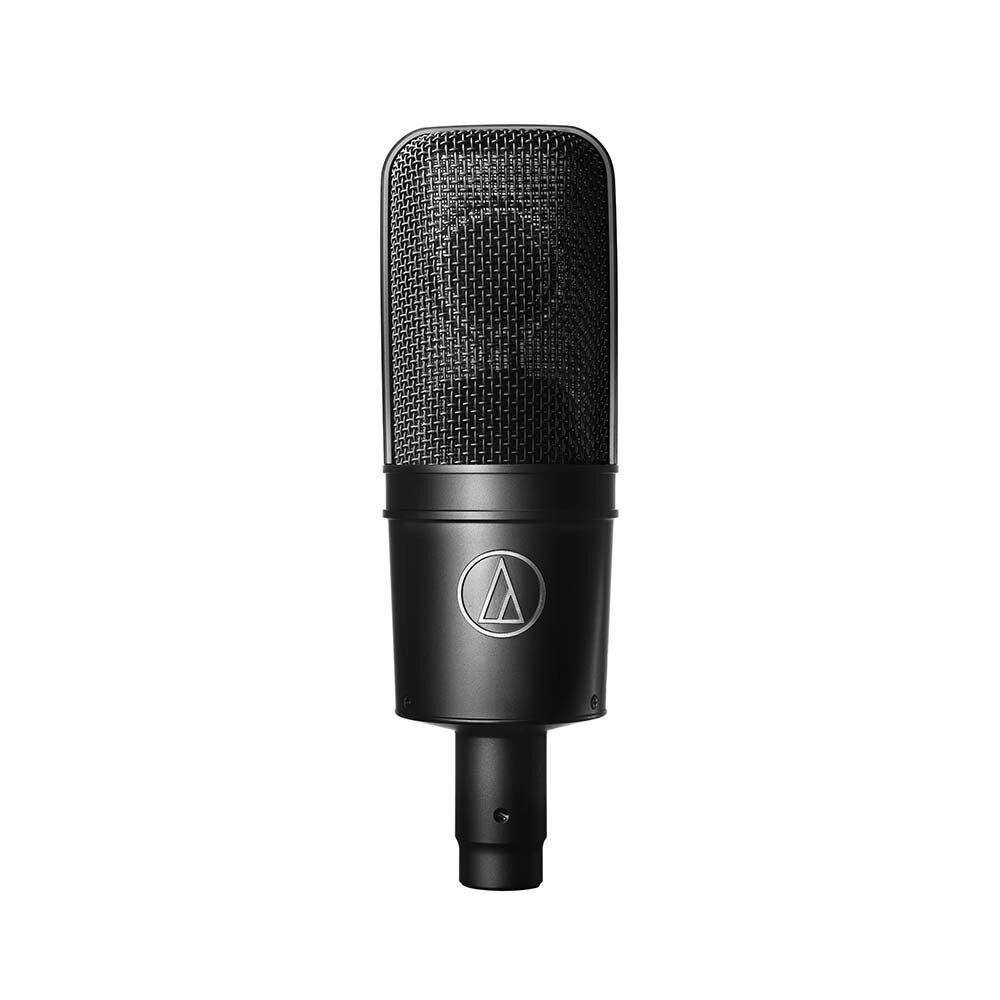 Audio-TechnicaAT4040 | A4.0 | A12 dB(A) | S25.1 mV/Pa | A145 dB | A2 | B360 g |
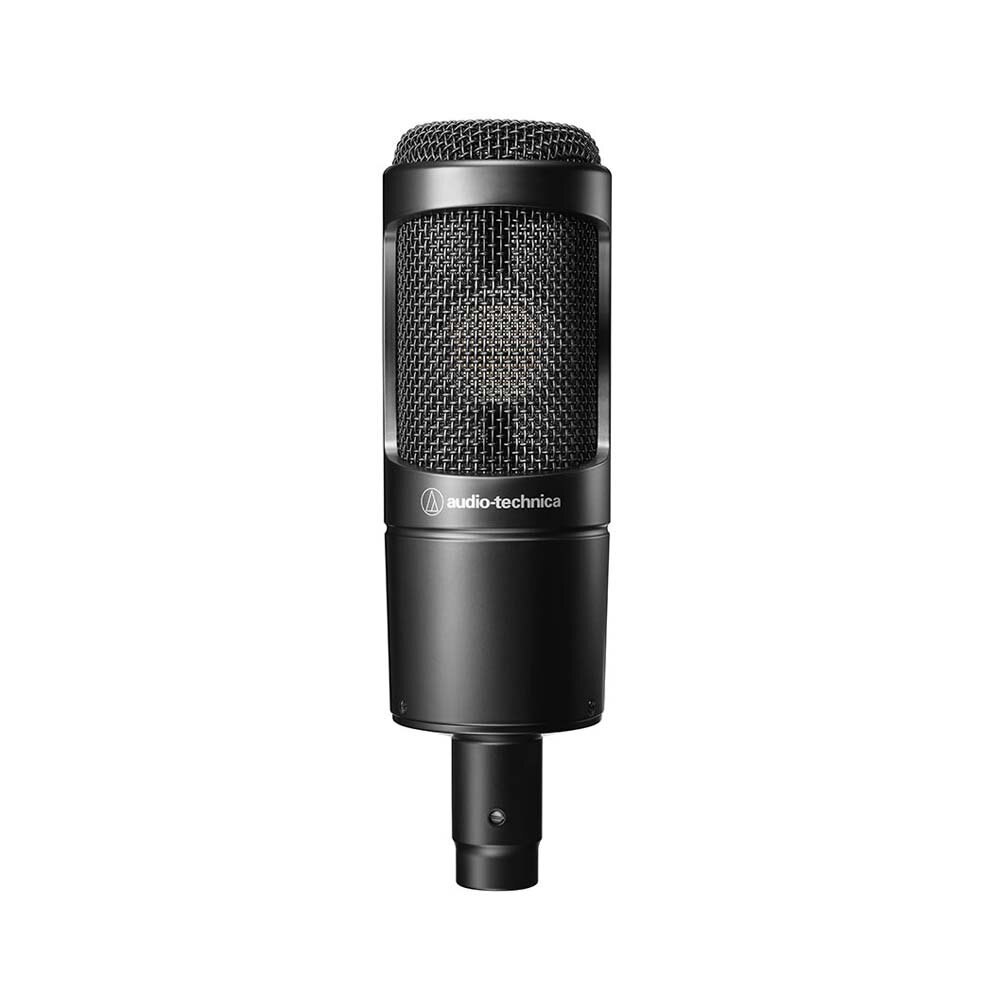 Audio-TechnicaAT2035 | A3.8 | A12 dB(A) | A22.4 mV/Pa | S148 dB | A2 | C403 g |
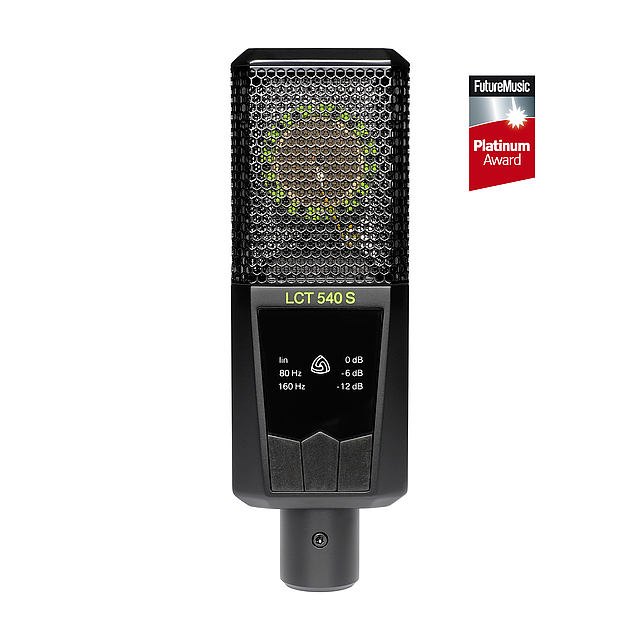 LEWITTLCT 540 S | A3.8 | S4 dB(A) | S41 mV/Pa | C136 dB | A2 | B371 g |
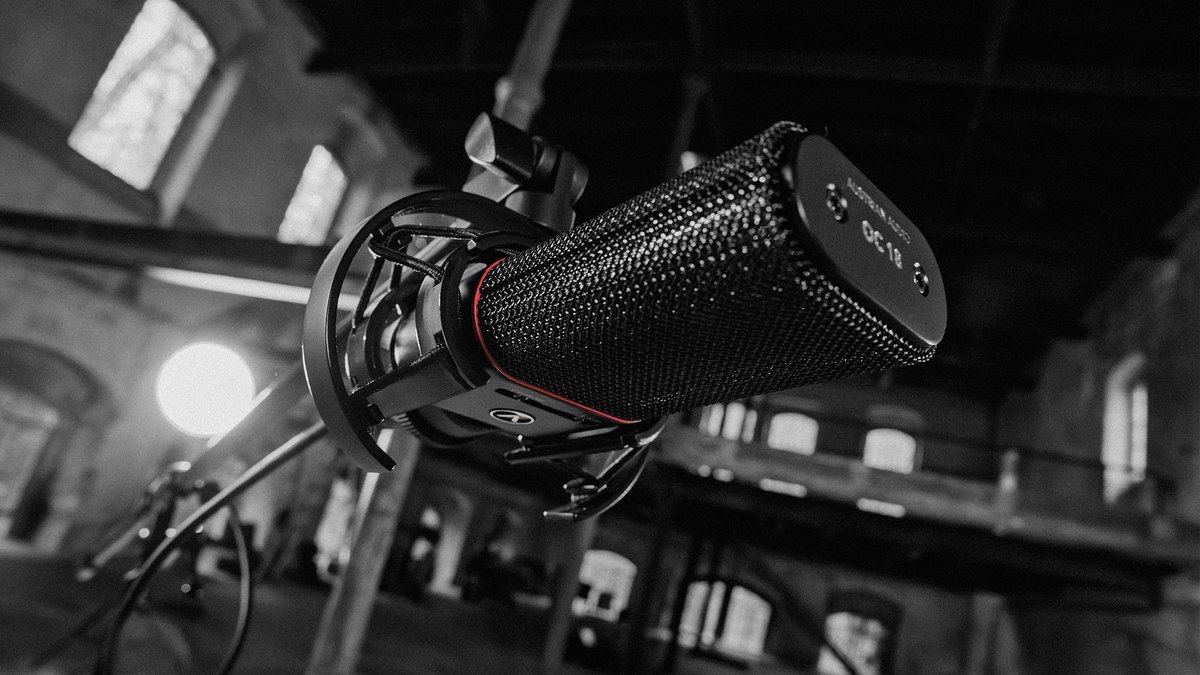 Austrian AudioOC18 | A3.8 | A9 dB(A) | C13 mV/Pa | S148 dB | A2 | A335 g |
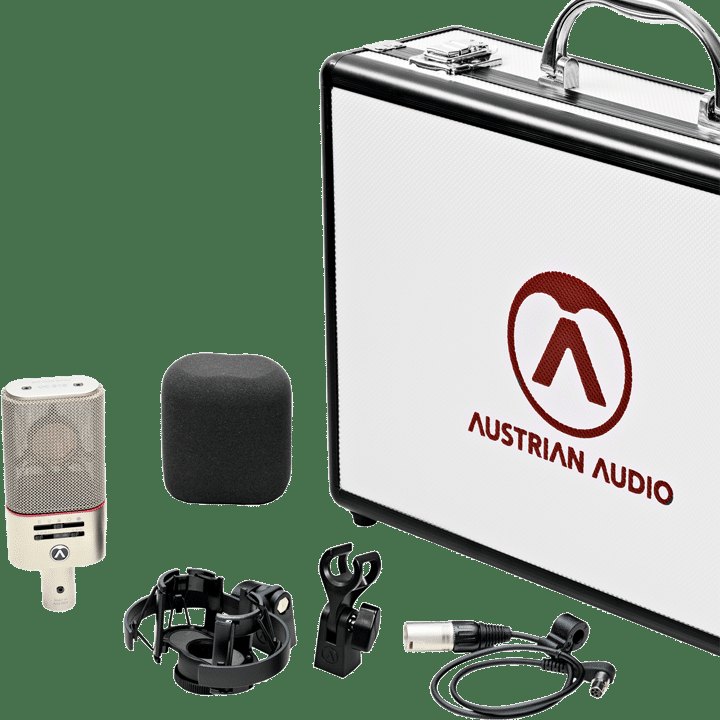 Austrian AudioOC818 | A3.8 | A9 dB(A) | C13 mV/Pa | S148 dB | S3 | B360 g |
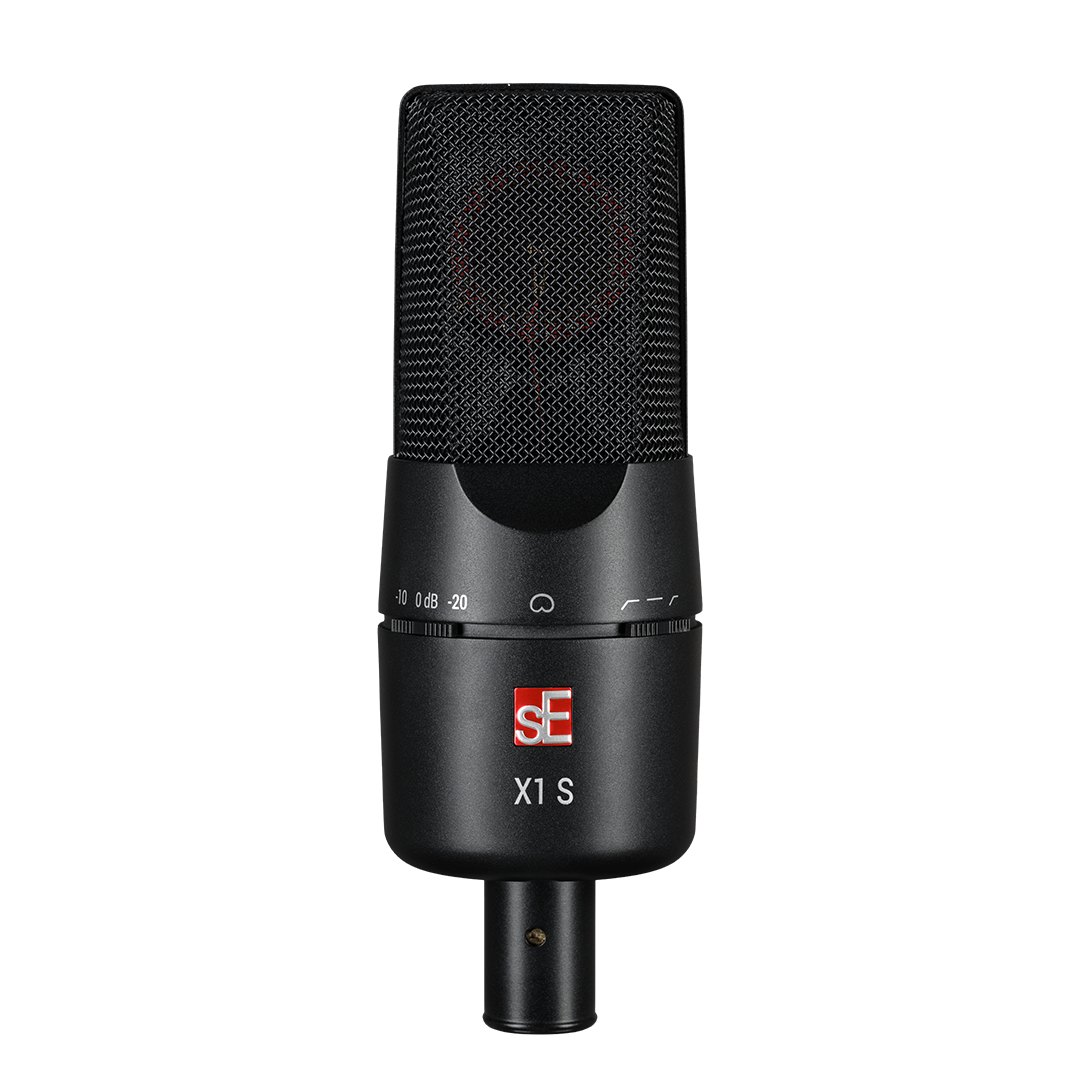 sE ElectronicsX1 S | A3.6 | A9 dB(A) | S30 mV/Pa | B140 dB | A2 | C445 g |
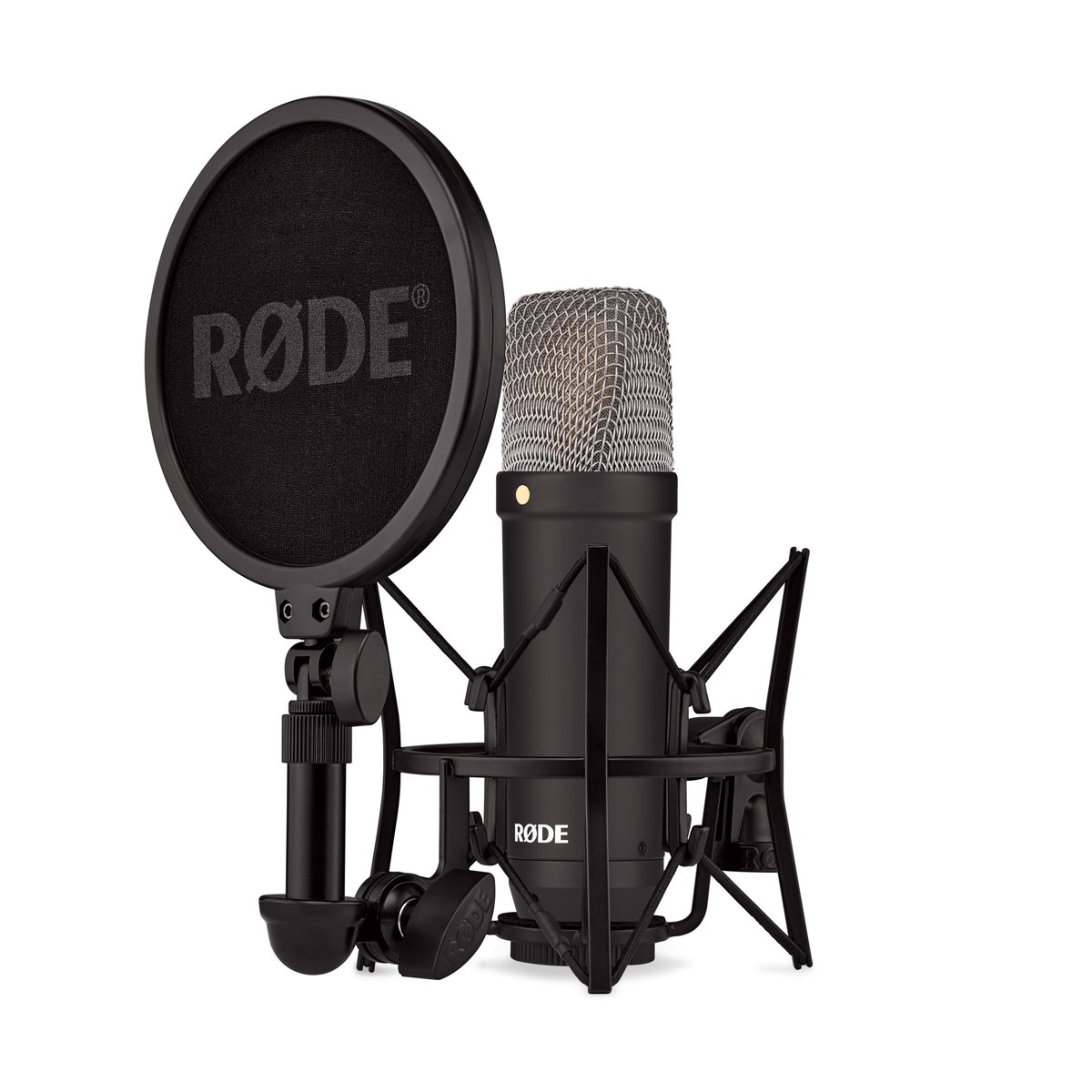 RØDENT1 Signature | A3.6 | S4 dB(A) | S25 mV/Pa | B142 dB | C0 | A313 g |
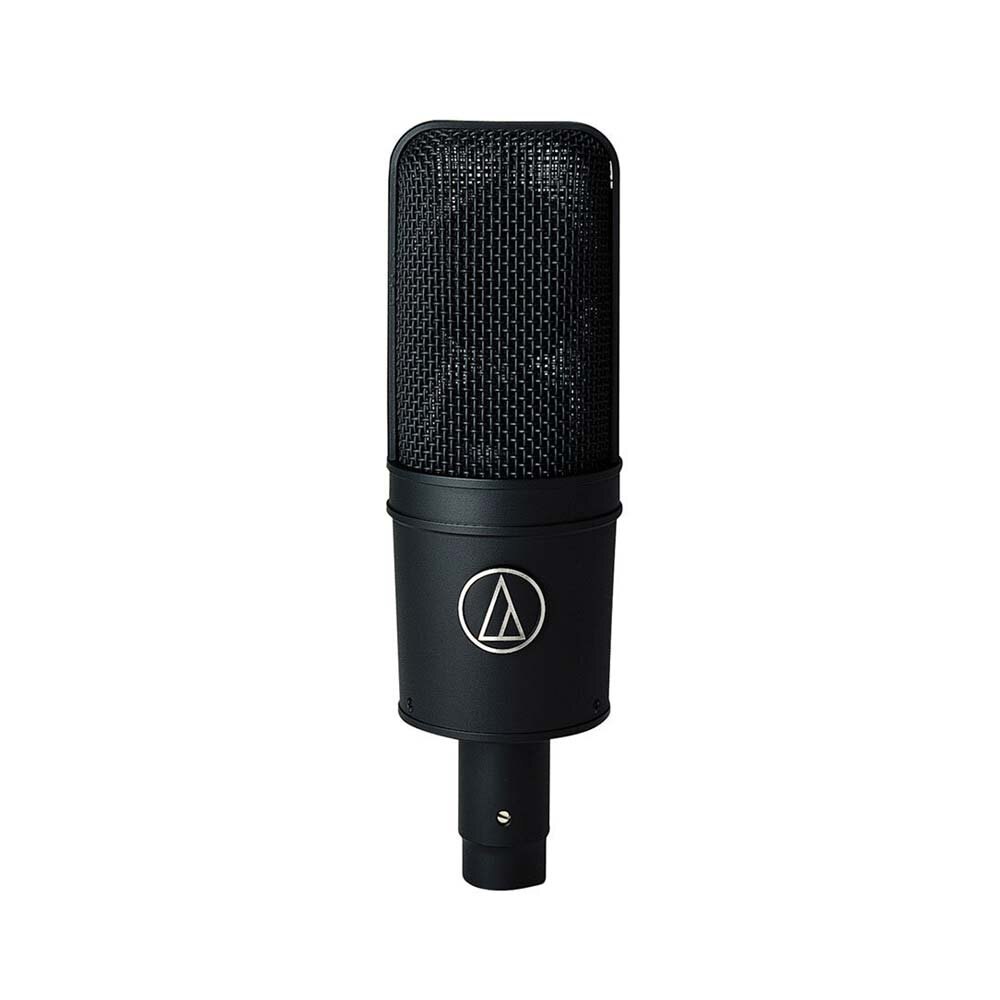 Audio-TechnicaAT4033a | A3.6 | C17 dB(A) | S25.1 mV/Pa | A145 dB | A2 | B380 g |
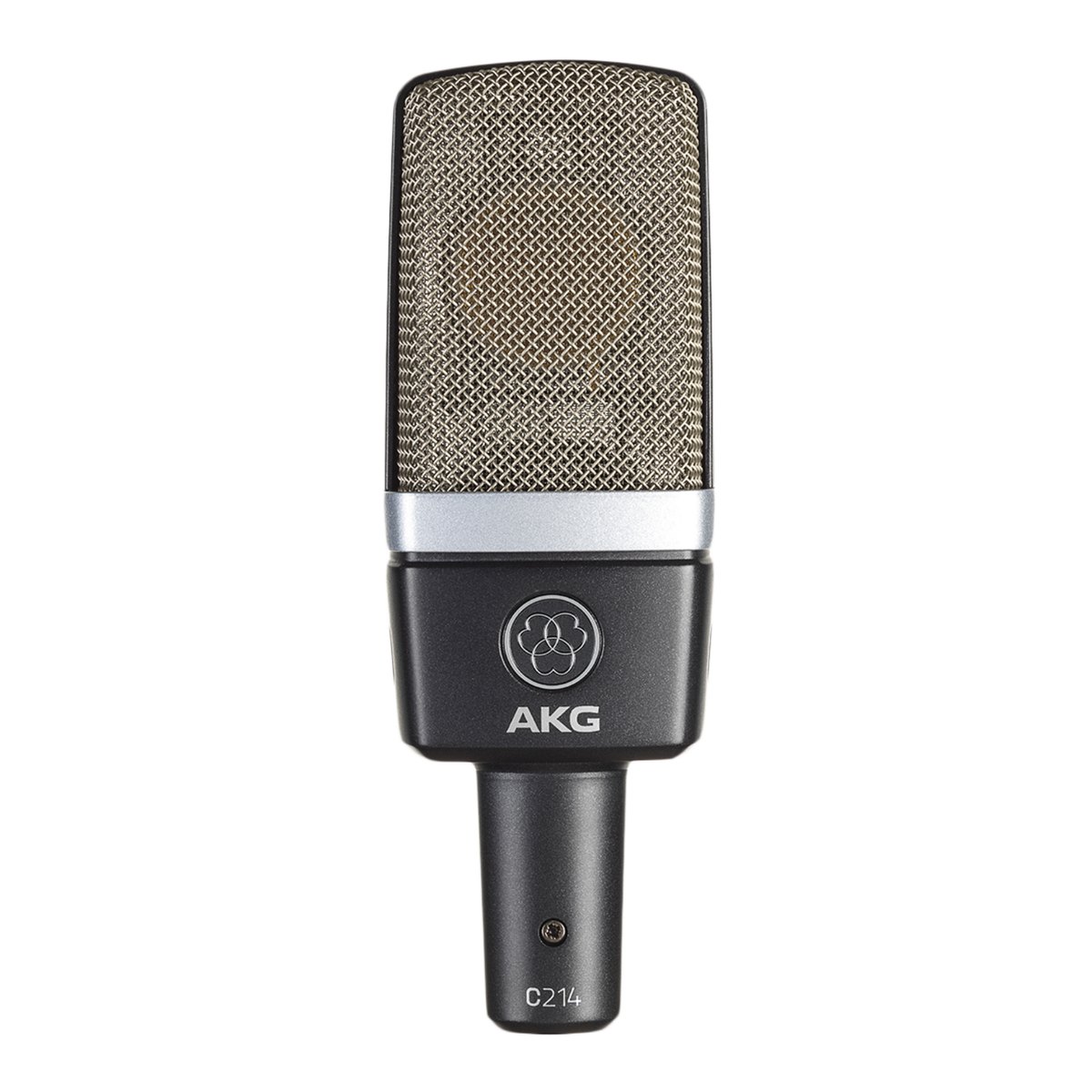 AKGC214 | A3.6 | B13 dB(A) | A20 mV/Pa | C136 dB | A2 | S280 g |
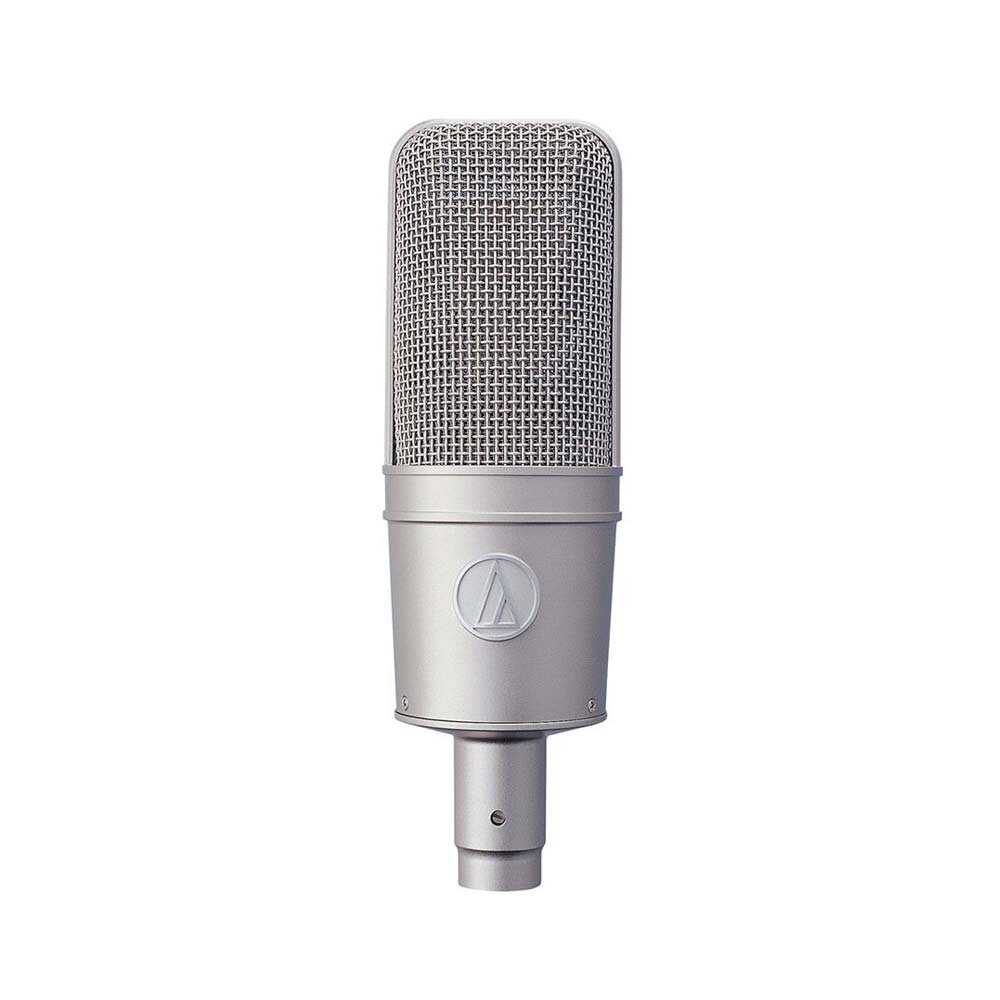 Audio-TechnicaAT4047/SV | A3.6 | A9 dB(A) | B17.7 mV/Pa | S149 dB | A2 | C410 g |
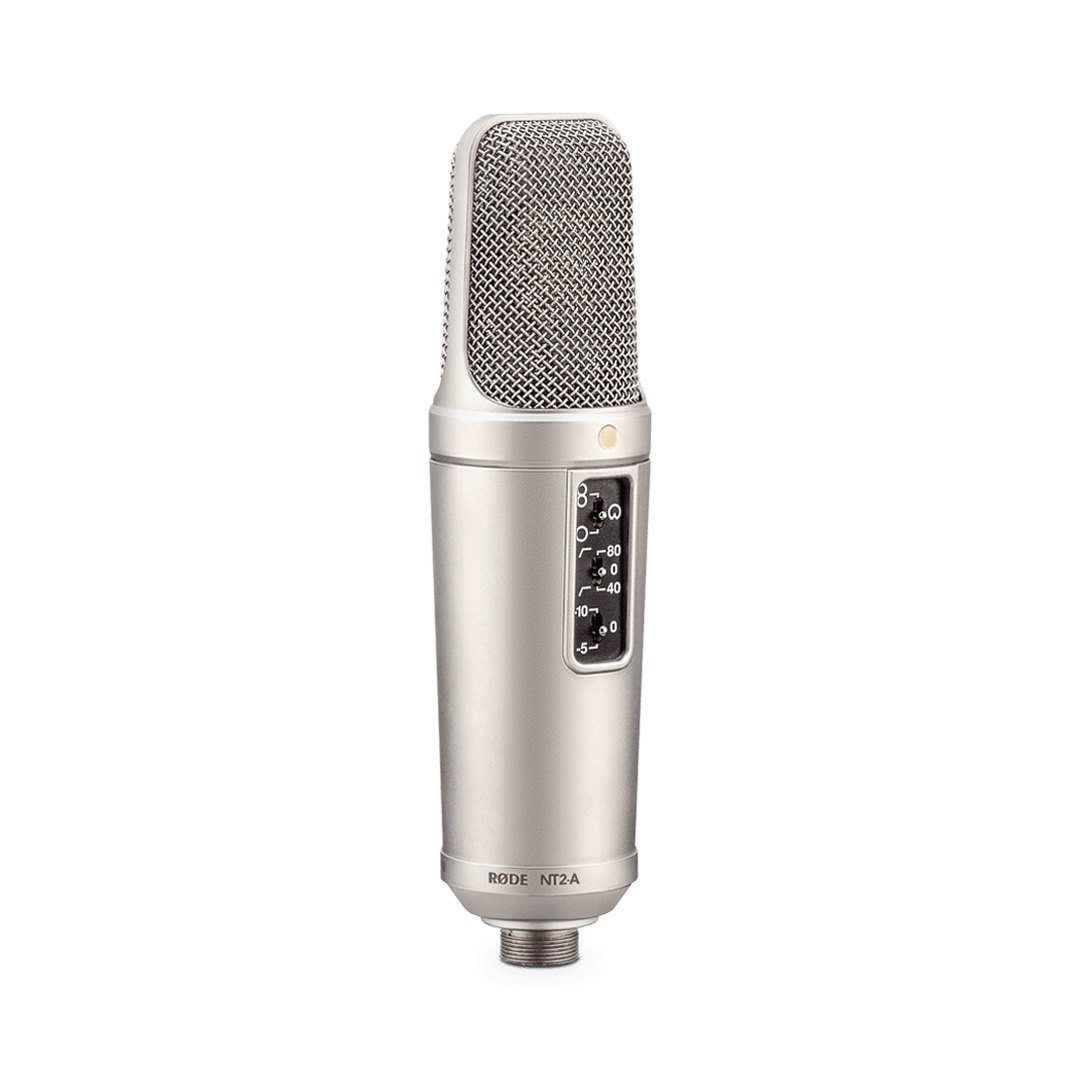 RØDENT2-A | A3.6 | S7 dB(A) | B16 mV/Pa | A147 dB | S3 | C860 g |
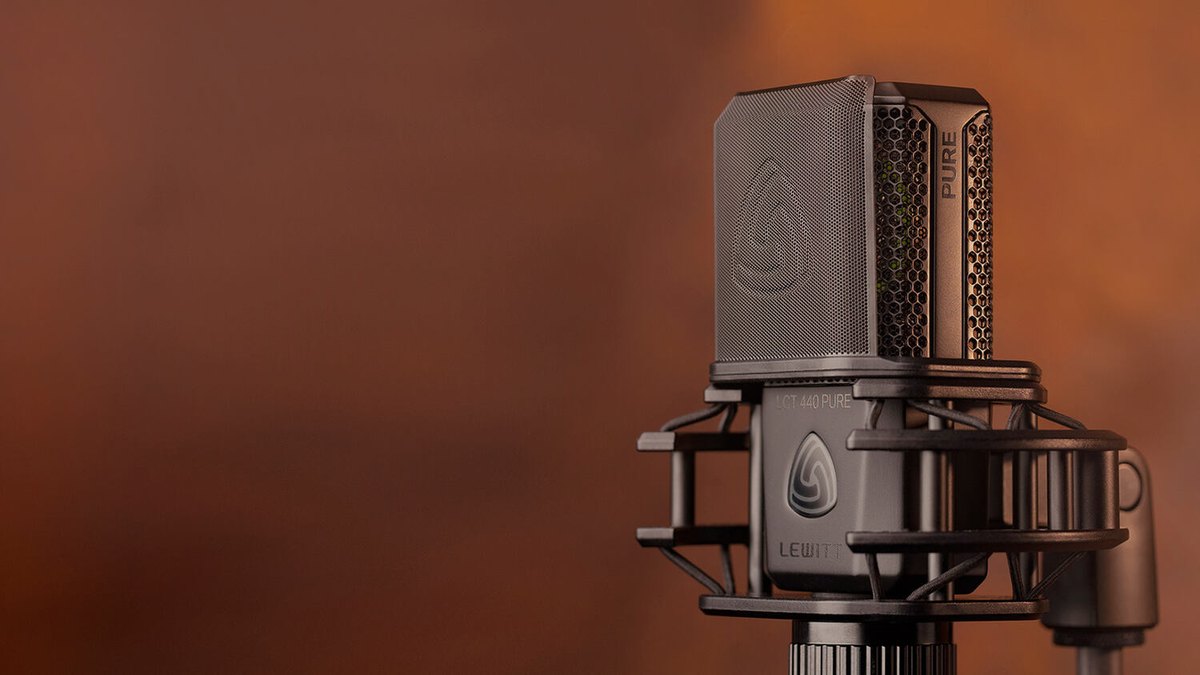 LEWITTLCT 440 PURE | A3.6 | S7 dB(A) | S27.4 mV/Pa | B140 dB | C0 | A310 g |
| Austrian AudioOC16 | A3.4 | B14 dB(A) | C11 mV/Pa | S148 dB | B1 | A335 g |
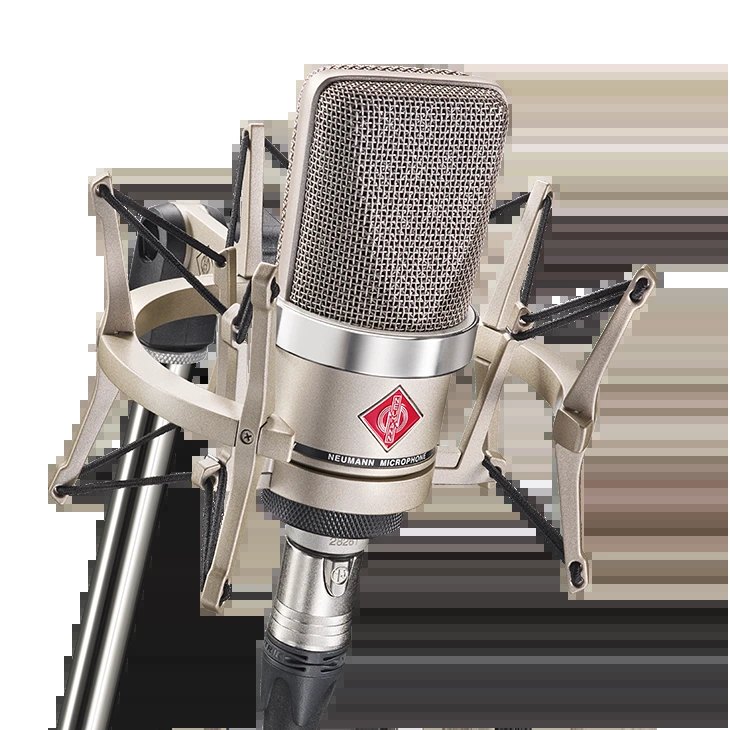 NeumannTLM 102 | B3.2 | A12 dB(A) | C11 mV/Pa | A144 dB | C0 | S210 g |
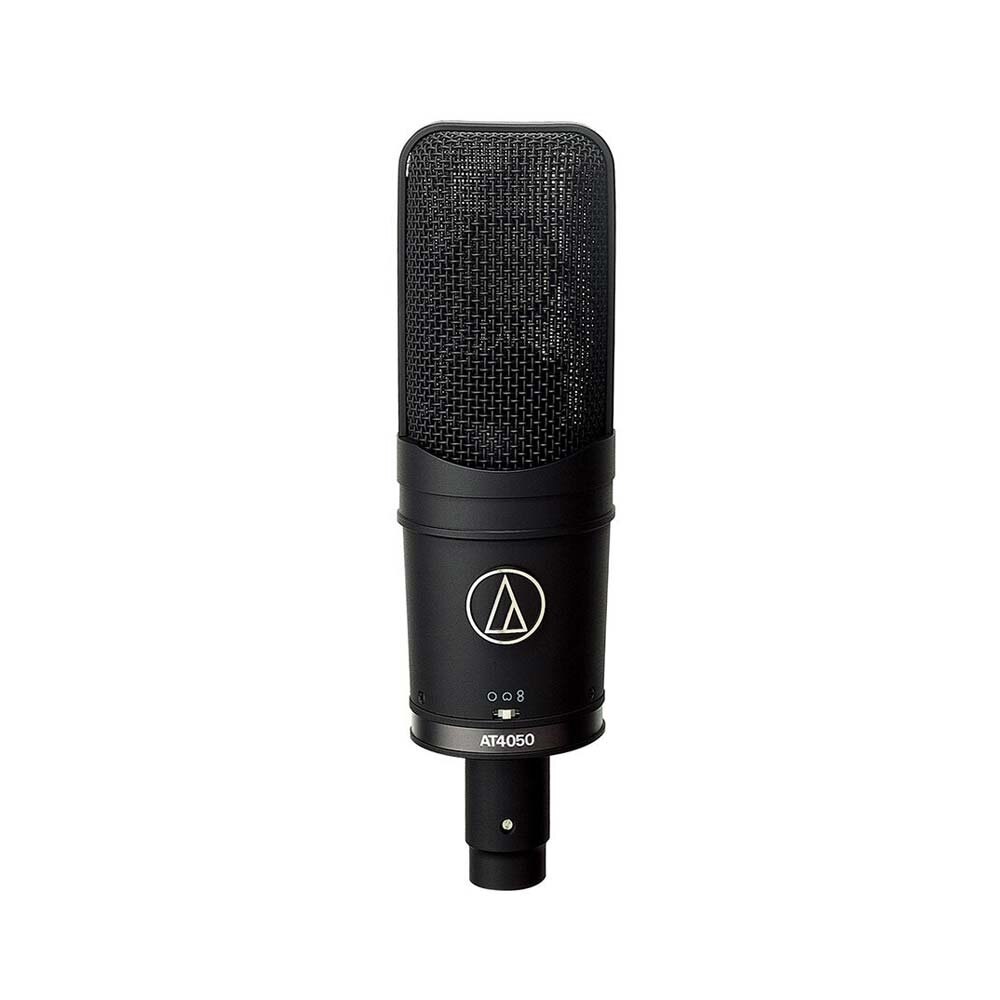 Audio-TechnicaAT4050 | B3.2 | C17 dB(A) | B15.8 mV/Pa | S149 dB | S3 | C510 g |
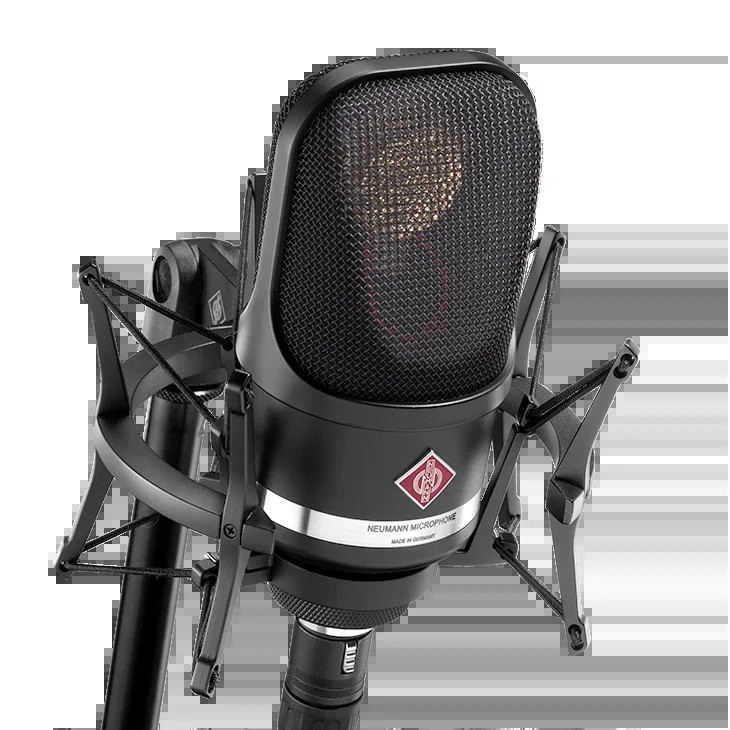 NeumannTLM 107 | B3.2 | A10 dB(A) | C11 mV/Pa | B141 dB | S3 | C445 g |
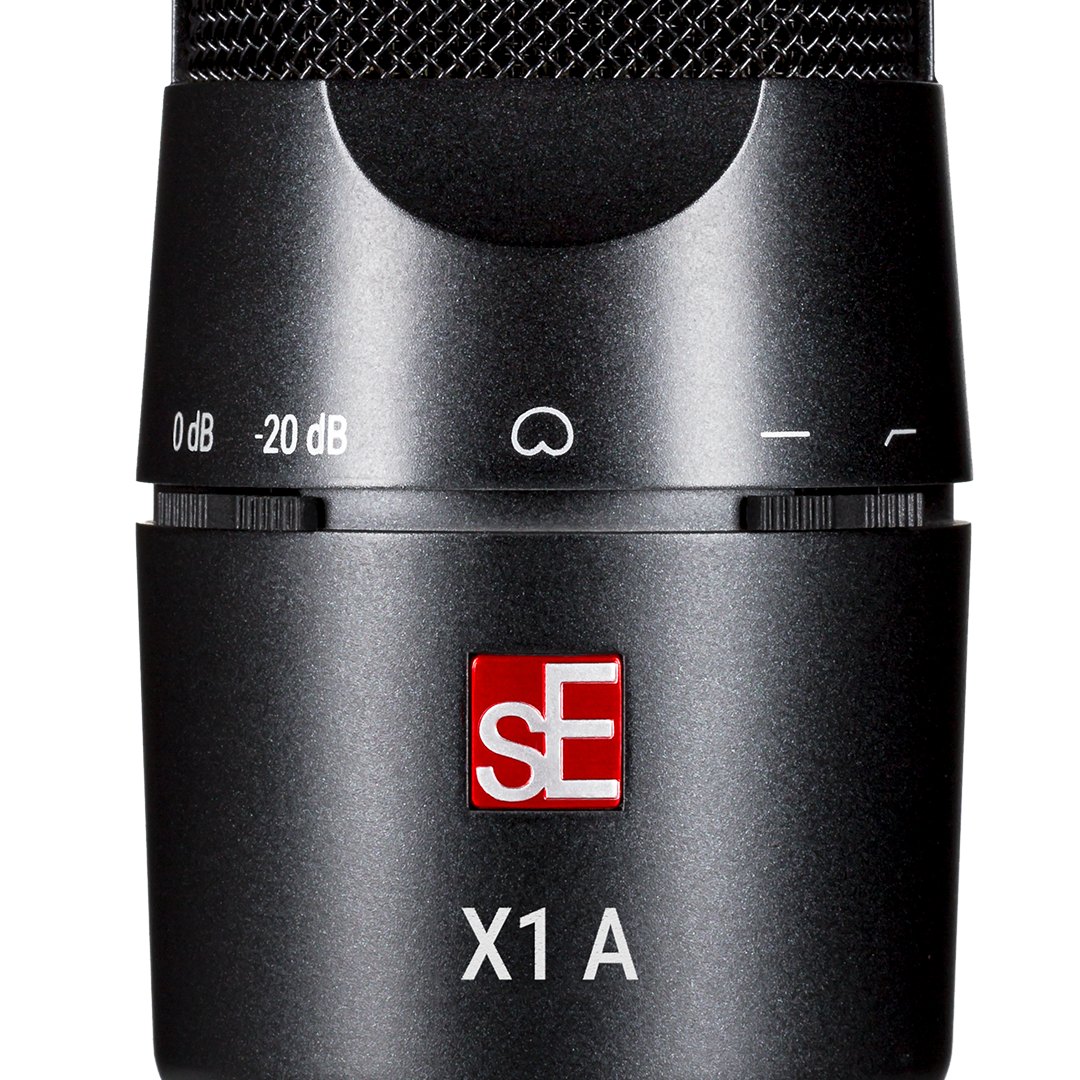 sE ElectronicsX1 A | B3.0 | B16 dB(A) | A20 mV/Pa | C130 dB | A2 | B390 g |
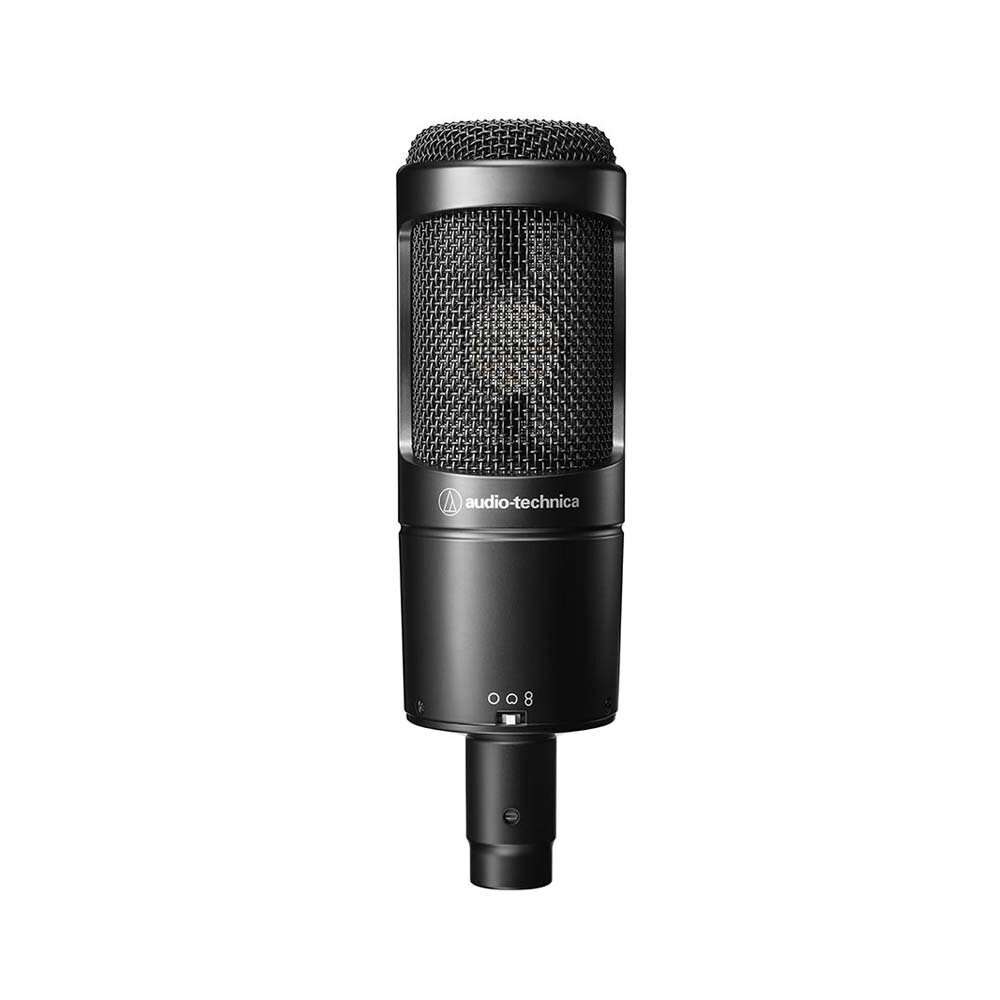 Audio-TechnicaAT2050 | B3.0 | C17 dB(A) | C7.9 mV/Pa | S149 dB | S3 | C412 g |
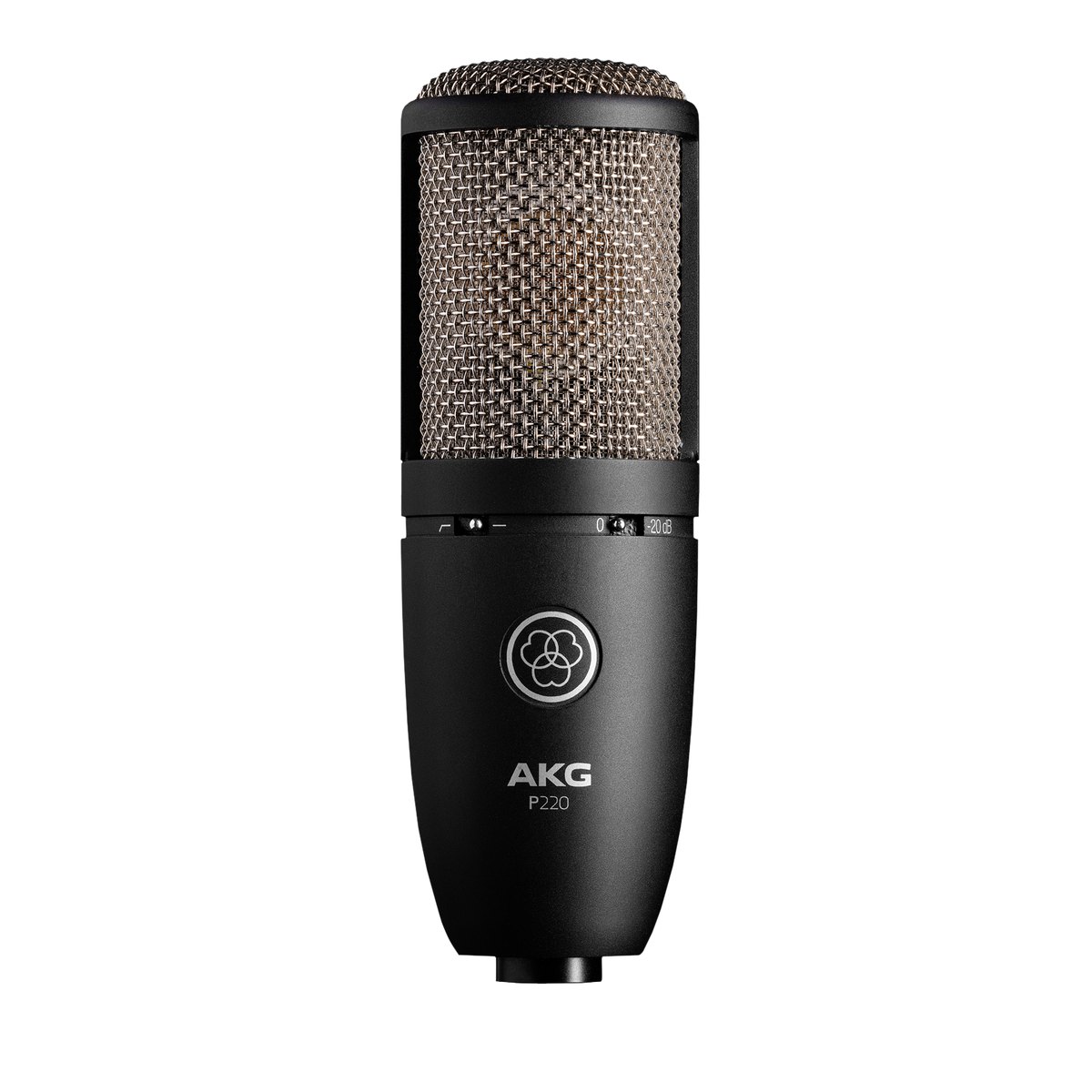 AKGP220 | B3.0 | B16 dB(A) | A20 mV/Pa | — | A2 | C514 g |
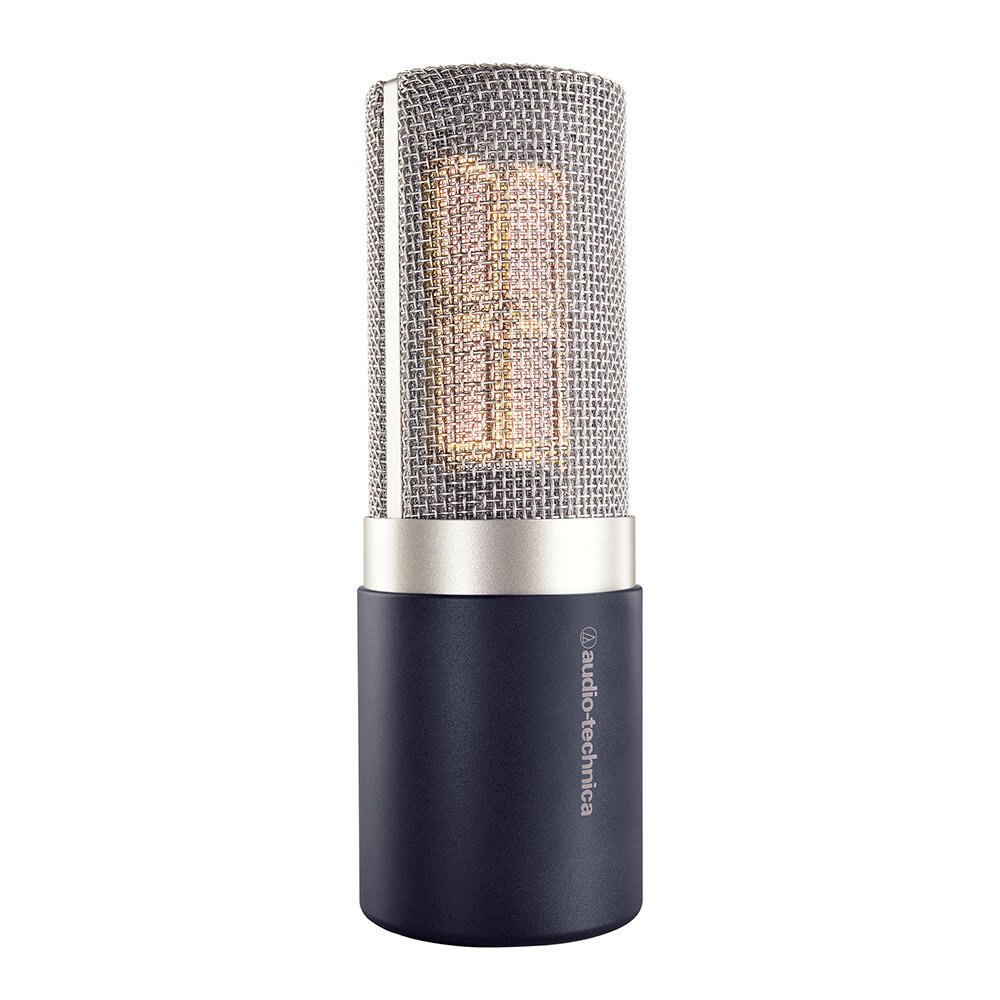 Audio-TechnicaAT5040 | B3.0 | S5 dB(A) | S56.2 mV/Pa | B142 dB | C0 | C582 g |
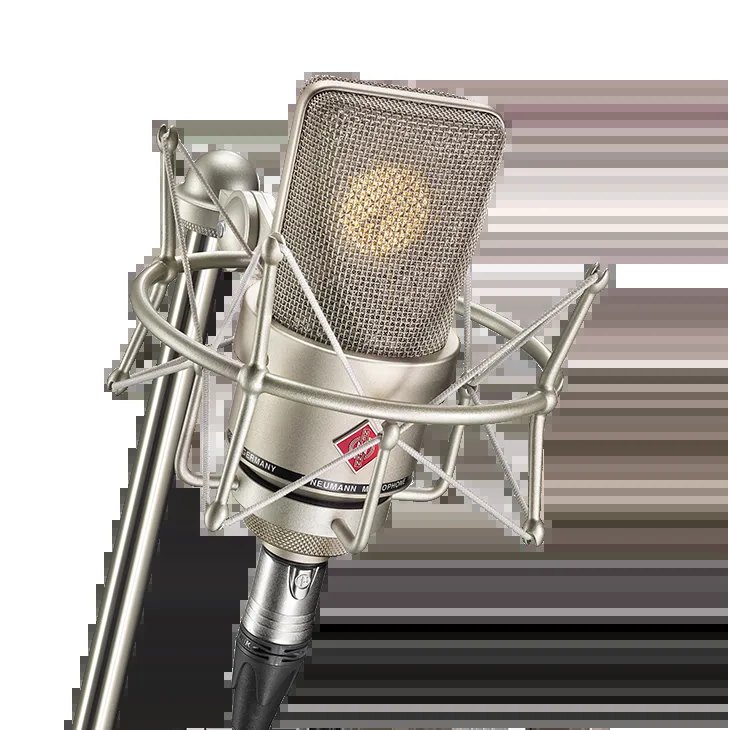 NeumannTLM 103 | B2.8 | S7 dB(A) | A23 mV/Pa | C138 dB | C0 | C450 g |
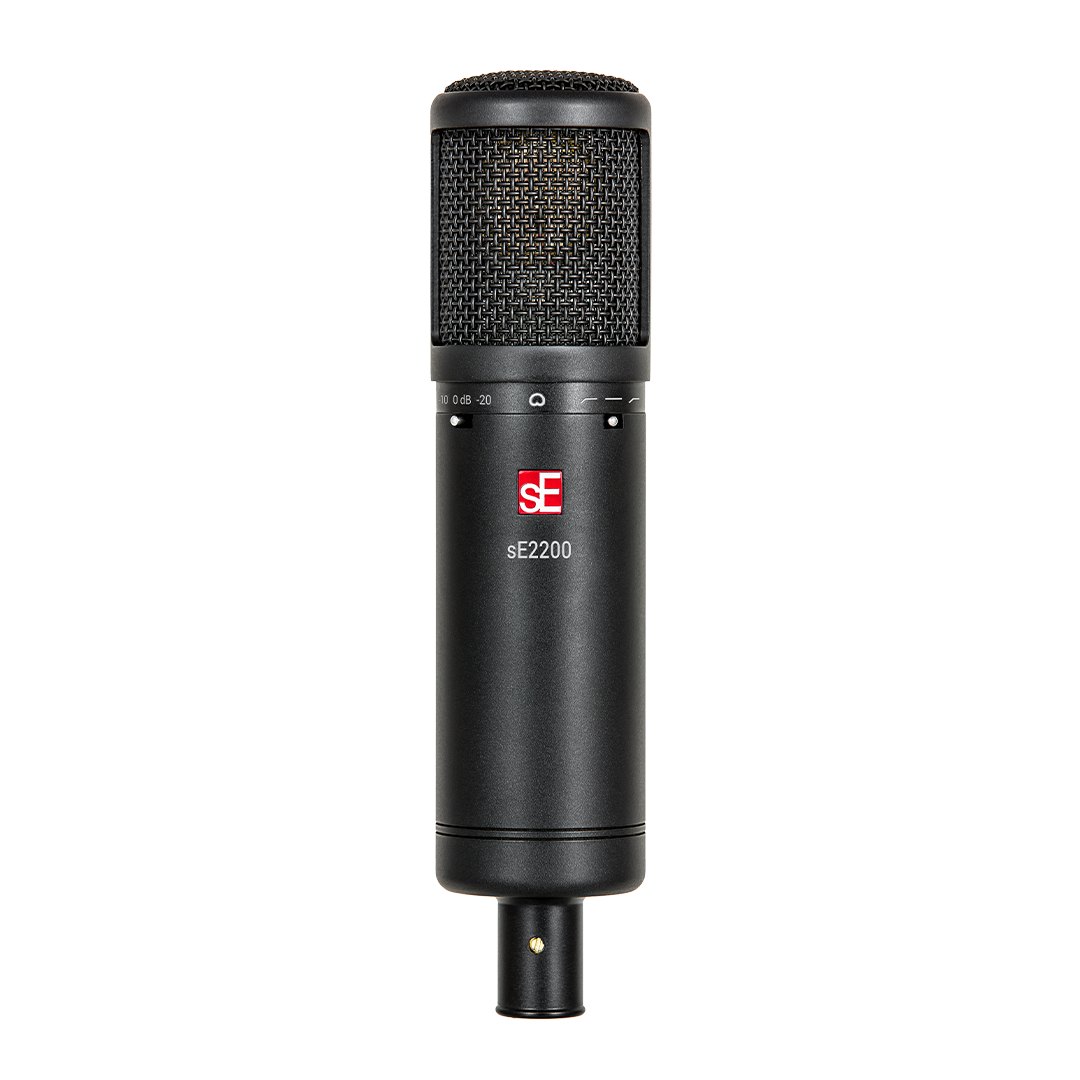 sE ElectronicssE2200 | B2.8 | A8 dB(A) | A24 mV/Pa | C125 dB | A2 | C611 g |
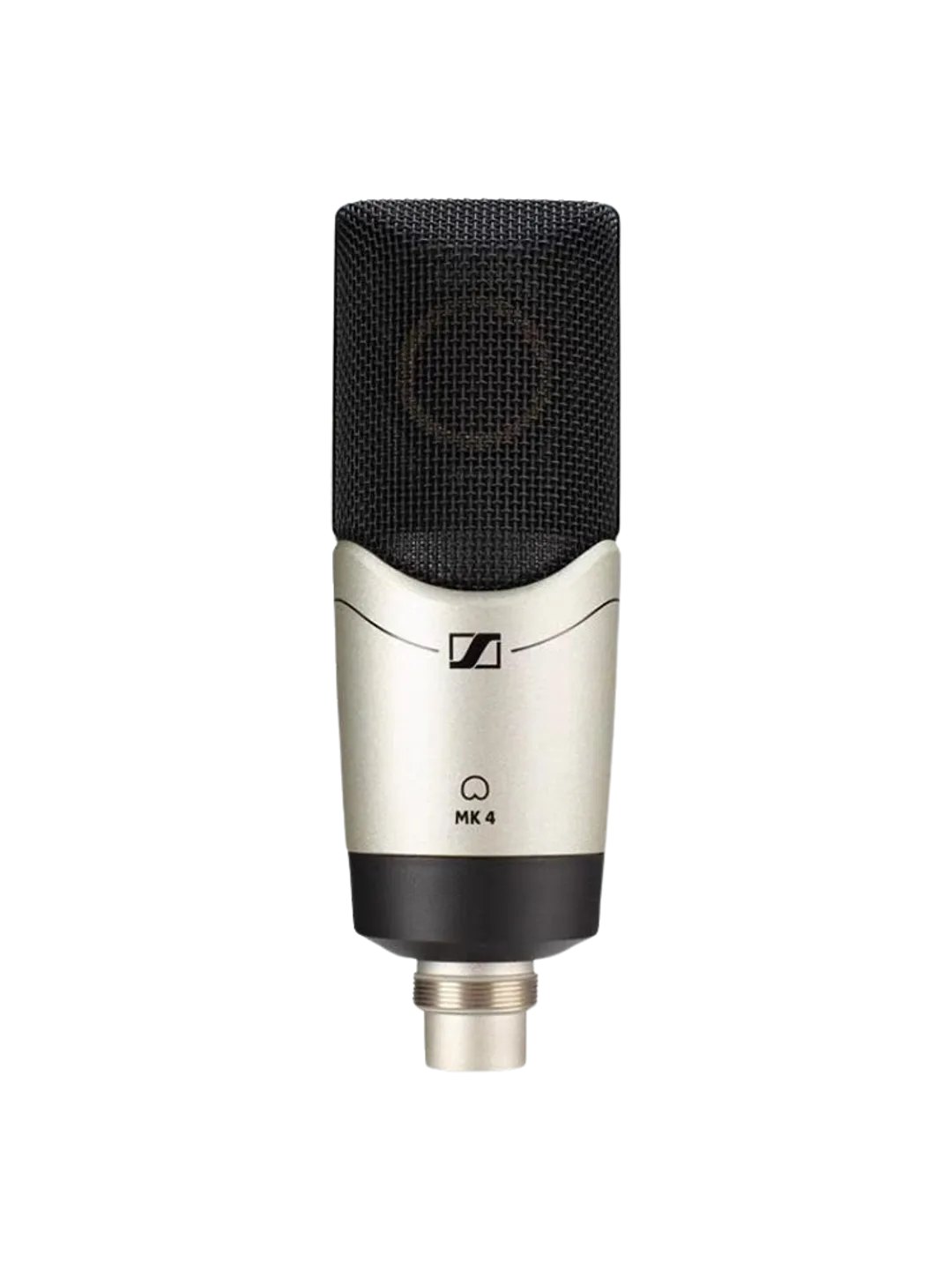 SennheiserMK 4 | B2.8 | A10 dB(A) | S25 mV/Pa | B140 dB | C0 | C485 g |
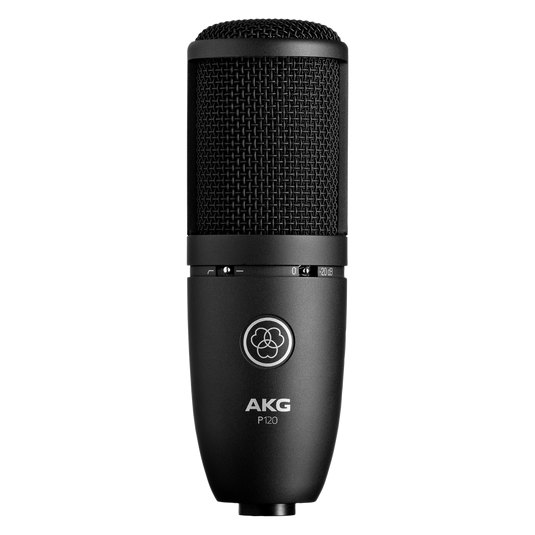 AKGP120 | B2.8 | C19 dB(A) | A24 mV/Pa | — | A2 | C453 g |
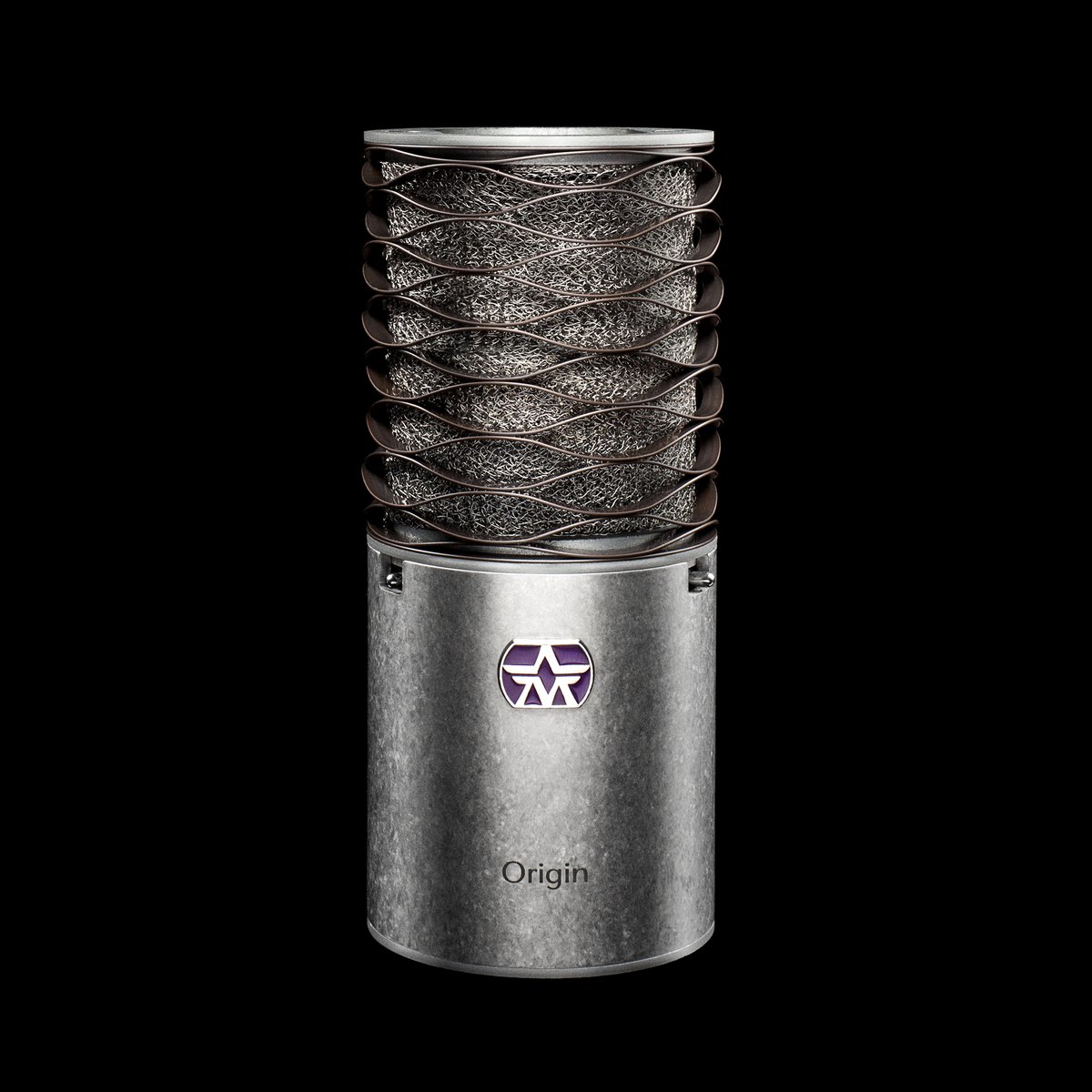 Aston MicrophonesAston Origin | B2.8 | C18 dB(A) | A23.7 mV/Pa | C127 dB | A2 | — |
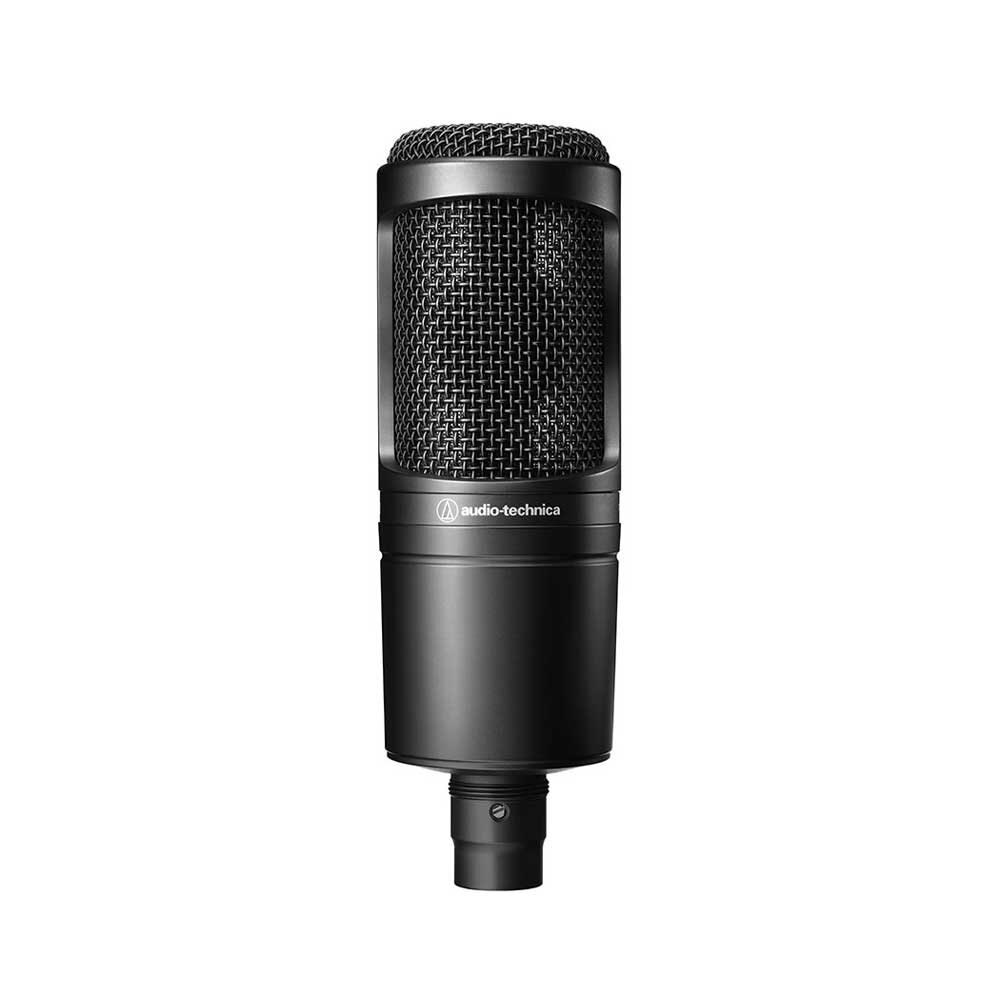 Audio-TechnicaAT2020 | B2.6 | C20 dB(A) | C14.1 mV/Pa | A144 dB | C0 | A345 g |
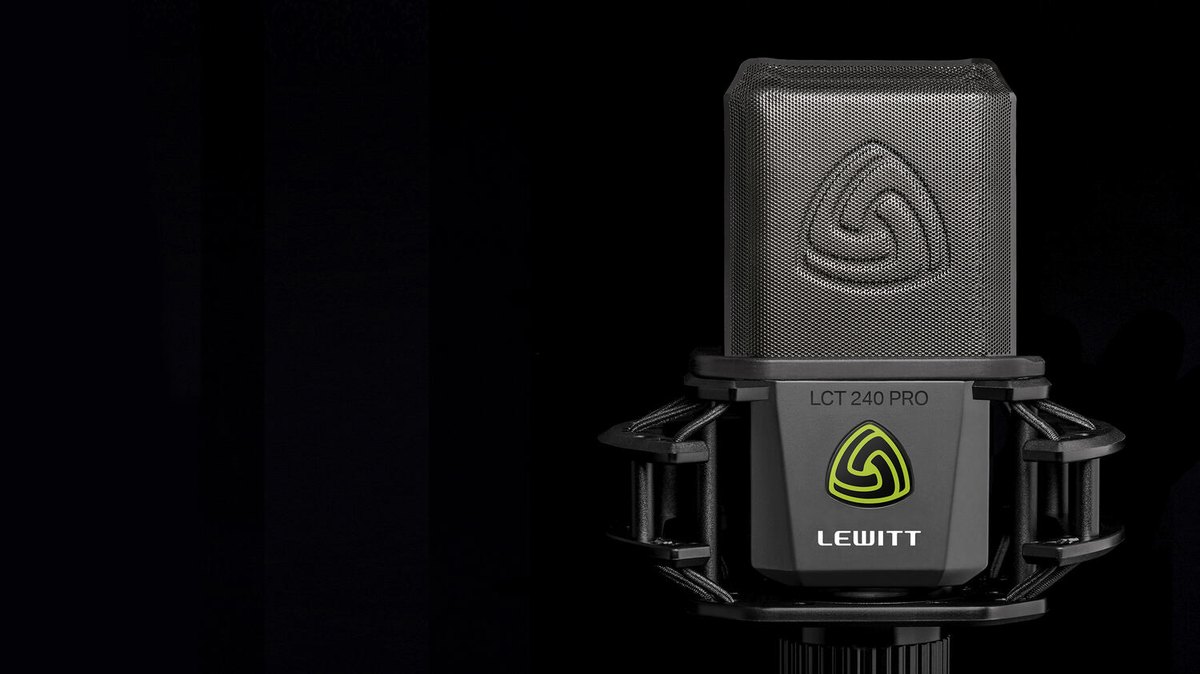 LEWITTLCT 240 PRO | B2.6 | C19 dB(A) | B16.7 mV/Pa | B142 dB | C0 | A310 g |
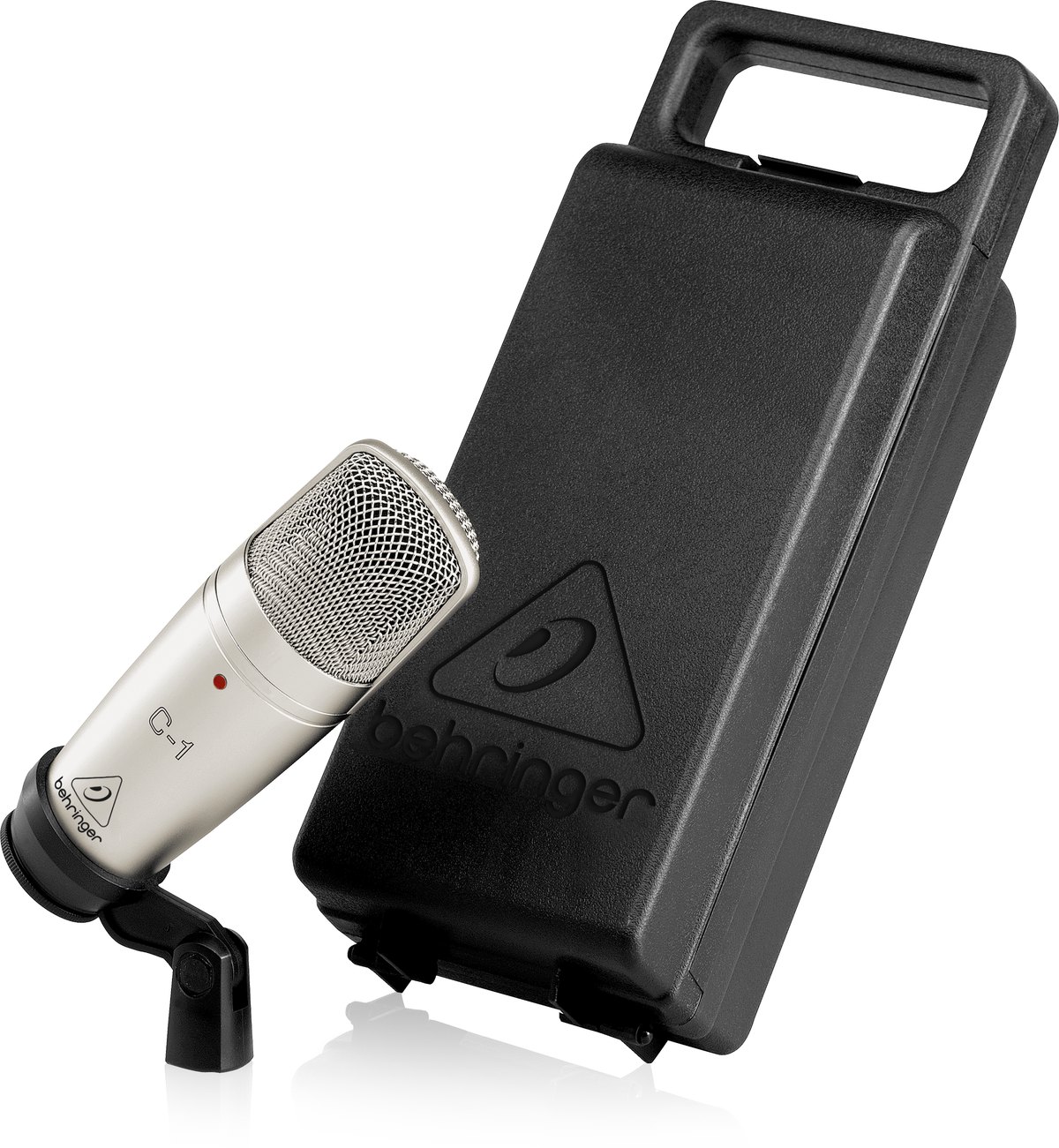 BehringerC-1 | C2.3 | — | A22.4 mV/Pa | C136 dB | C0 | C450 g |
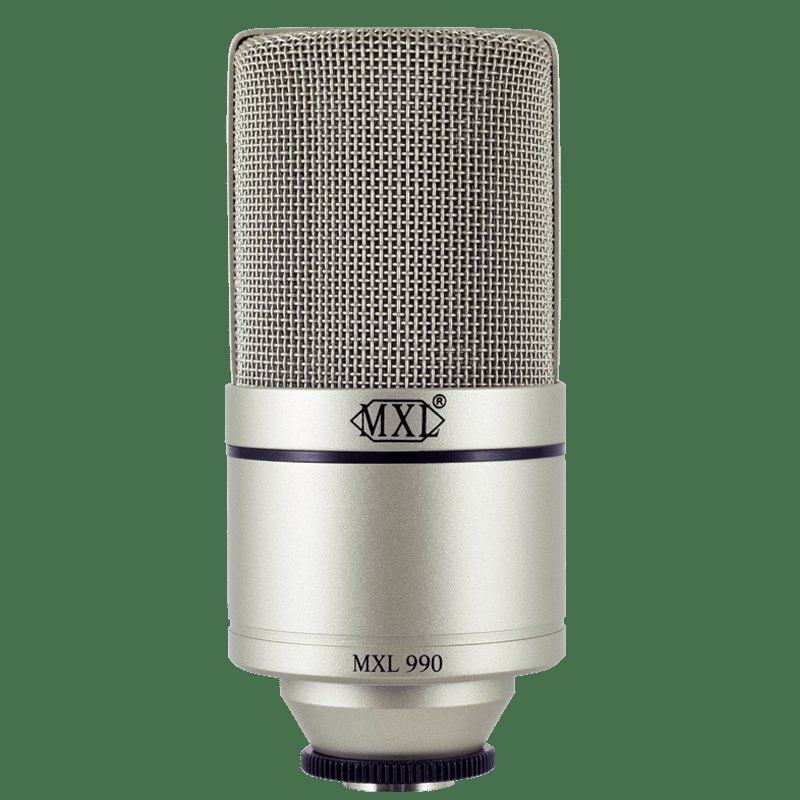 MXL990 | C1.6 | C20 dB(A) | B15 mV/Pa | C130 dB | C0 | C544 g |
Click a column heading to sort by that criterion (click again to reverse). Each cell shows the score (1 to 5) on that criterion as 5 = S, 4 = A, 3 = B, 2 or lower = C. A dash means the criterion is not scored. This is a rating of the manufacturer's official features and specifications, not of sound quality. See How we rate specifications.
How to choose a microphone
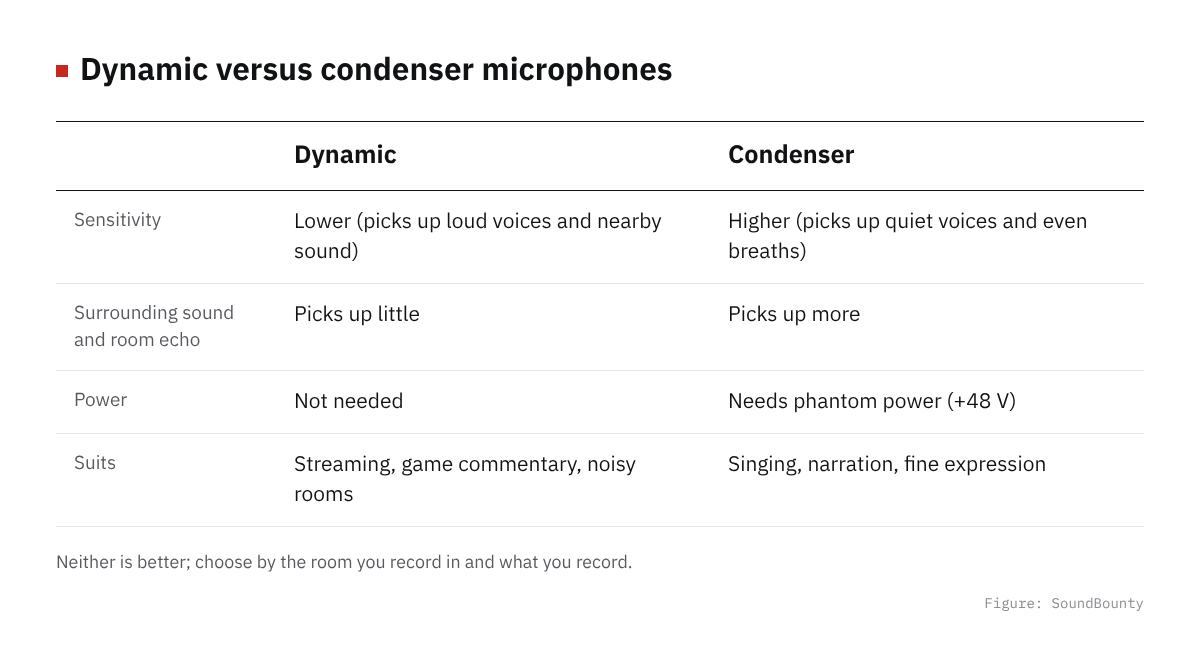
Figure: SoundBounty
Condenser or dynamic?
For singing and narration at home, a condenser microphone, which records even fine breaths, is the standard. It also picks up surrounding sound and room echo easily, so it assumes you record somewhere with little echo. If your room is noisy or you mainly stream, a dynamic microphone, which picks up little surrounding sound, is also a candidate (see our dynamic microphone comparison).
USB or XLR?
A USB microphone connects straight to a computer and is easy. An XLR microphone needs a separate audio interface, but you can change the microphone or interface later more easily, and there are more models to choose from.
Look at self-noise (quietness)
Self-noise is the loudness of the “hiss” the microphone itself makes; the smaller the number, the quieter it is. It is the criterion that makes the most difference when you record quiet voices and whispers.
Accessories and placement
Whether a shock mount (a holder that blocks vibration) or a pop filter is included differs by model. If it is not included, you need to prepare it separately, so check it along with the price. Accessories are not part of the score.
A word on each product
C414 XLII (rank S)
AKG’s C414 XLII is a switchable-pattern condenser microphone with XLR connection.
C414 XLS (rank S)
AKG’s C414 XLS is a switchable-pattern condenser microphone with XLR connection.
NT1 5th Gen (rank A)
RØDE’s NT1 5th Gen is a cardioid condenser microphone with USB and XLR connection.
AT4040 (rank A)
Audio-Technica’s AT4040 is a cardioid condenser microphone with XLR connection.
AT2035 (rank A)
Audio-Technica’s AT2035 is a cardioid condenser microphone with XLR connection.
LCT 540 S (rank A)
LEWITT’s LCT 540 S is a cardioid condenser microphone with XLR connection.
OC18 (rank A)
Austrian Audio’s OC18 is a cardioid condenser microphone with XLR connection.
OC818 (rank A)
Austrian Audio’s OC818 is a switchable-pattern condenser microphone with XLR connection.
X1 S (rank A)
sE Electronics’s X1 S is a cardioid condenser microphone with XLR connection.
NT1 Signature (rank A)
RØDE’s NT1 Signature is a cardioid condenser microphone with XLR connection.
AT4033a (rank A)
Audio-Technica’s AT4033a is a cardioid condenser microphone with XLR connection.
C214 (rank A)
AKG’s C214 is a cardioid condenser microphone with XLR connection.
AT4047/SV (rank A)
Audio-Technica’s AT4047/SV is a cardioid condenser microphone with XLR connection.
NT2-A (rank A)
RØDE’s NT2-A is a switchable-pattern condenser microphone with XLR connection.
LCT 440 PURE (rank A)
LEWITT’s LCT 440 PURE is a cardioid condenser microphone with XLR connection.
TLM 102 (rank B)
Neumann’s TLM 102 is a cardioid condenser microphone with XLR connection.
AT4050 (rank B)
Audio-Technica’s AT4050 is a switchable-pattern condenser microphone with XLR connection.
TLM 107 (rank B)
Neumann’s TLM 107 is a switchable-pattern condenser microphone with XLR connection.
X1 A (rank B)
sE Electronics’s X1 A is a cardioid condenser microphone with XLR connection.
AT2050 (rank B)
Audio-Technica’s AT2050 is a cardioid condenser microphone with XLR connection.
P220 (rank B)
AKG’s P220 is a cardioid condenser microphone with XLR connection.
AT5040 (rank B)
Audio-Technica’s AT5040 is a cardioid condenser microphone with XLR connection.
TLM 103 (rank B)
Neumann’s TLM 103 is a cardioid condenser microphone with XLR connection.
sE2200 (rank B)
sE Electronics’s sE2200 is a cardioid condenser microphone with XLR connection.
MK 4 (rank B)
Sennheiser’s MK 4 is a cardioid condenser microphone with XLR connection.
P120 (rank B)
AKG’s P120 is a cardioid condenser microphone with XLR connection.
Aston Origin (rank B)
Aston Microphones’s Aston Origin is a cardioid condenser microphone with XLR connection.
AT2020 (rank B)
Audio-Technica’s AT2020 is a cardioid condenser microphone with XLR connection.
LCT 240 PRO (rank B)
LEWITT’s LCT 240 PRO is a cardioid condenser microphone with XLR connection.
C-1 (rank C)
Behringer’s C-1 is a cardioid condenser microphone with XLR connection.
990 (rank C)
MXL’s 990 is a cardioid condenser microphone with XLR connection.
Frequently asked questions
Q. Do I need a condenser microphone for cover songs?
Not necessarily. But because it records the fine nuances of a voice easily, condenser microphones are widely used for cover songs. In an environment where room echo or noise bothers you, a dynamic microphone can be easier to handle.
Q. What do I need to use a condenser microphone?
An XLR condenser microphone needs an audio interface that can supply phantom power (+48 V), an XLR cable and a microphone stand. A pop filter is also good to have, to reduce plosive “p” sounds.
Q. Does a more expensive microphone sound better?
The specification numbers tend to be better as the price goes up, but how well it suits your voice and the room you record in also matter a lot. First reduce the echo of the room, then choose a model that fits your budget.
How we score
How we score (Microphones)
| Criterion | Basis | 5 pt | 4 pt | 3 pt | 2 pt | 1 pt |
|---|---|---|---|---|---|---|
| Quietness | Self-noise | ≤7 | ≤12 | ≤16 | ≤20 | >20 |
| Sensitivity | Sensitivity | ≥25 | ≥20 | ≥15 | ≥10 | <10 |
| Handling of loud sound | Maximum SPL (without the pad) | ≥148 | ≥144 | ≥140 | ≥135 | <135 |
| Features | Pad, low-cut and pickup-pattern switch | All 3 | 2 | 1 | — | None |
| Lightness | Weight | ≤300 | ≤350 | ≤400 | ≤450 | >450 |
Scored only on the body specifications published by the manufacturer. Price and accessories are not part of the score. Items that are not disclosed are not scored, and the rank is based on the average of the remaining items. Where a model publishes only the signal-to-noise ratio and not the self-noise, the self-noise is converted as "94 minus the signal-to-noise ratio".
The thinking behind scores and ranks is summarized in How we rate specifications. We add products in order.